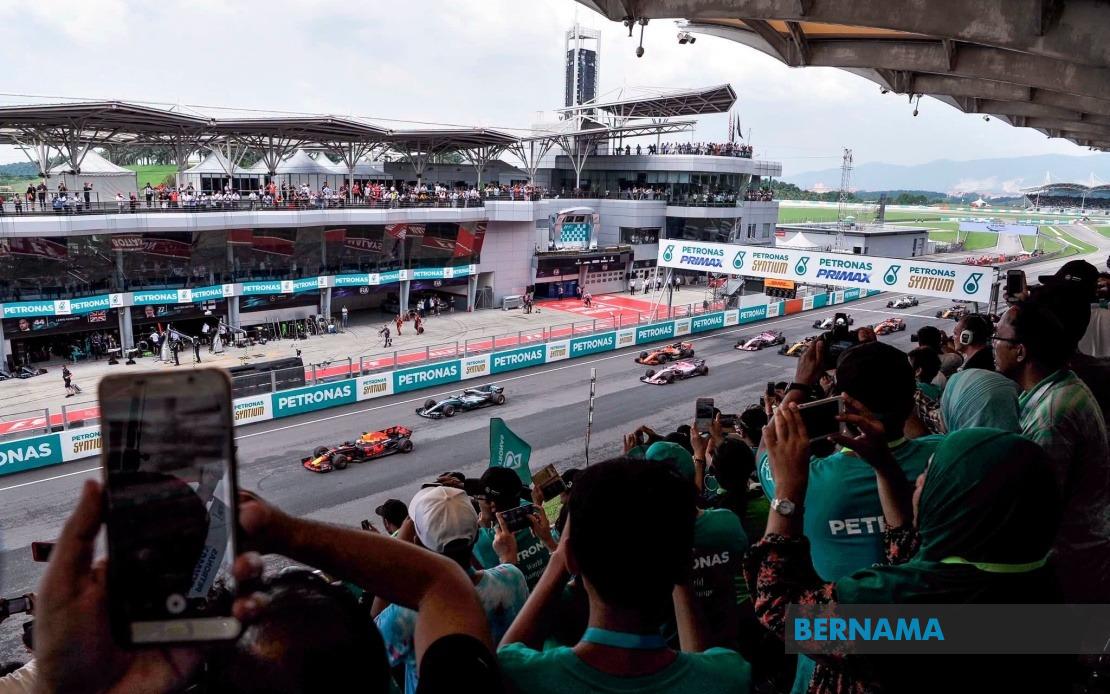
The Malaysian government has made Formula 1 racing significantly more accessible to local fans through an innovative pricing initiative announced by Prime Minister Datuk Seri Anwar Ibrahim. Under the MADANI Tickets scheme, Malaysian citizens holding valid MyKad identification will be able to purchase tickets from as little as RM200 to watch the Gulf Air Bahrain Grand Prix at Sepang International Circuit in October 2026. This move represents a substantial reduction from typical F1 ticket prices and aims to democratise access to one of motorsport's most prestigious events, allowing more Malaysians to experience the spectacle of Formula 1 racing at a venue just outside Kuala Lumpur.
The initiative emerges from discussions that commenced weeks prior between Malaysian government officials and their Bahraini counterparts. According to Anwar's announcement, both nations reached a mutual understanding that would enable this special pricing arrangement for domestic audiences. The pricing structure explicitly targets Malaysian citizens, with three-day event passes available at the promotional rate, effectively lowering the barrier to entry that has traditionally excluded many locals from attending international racing events. Sepang International Circuit will provide additional details regarding ticket allocation, purchase procedures, and specific pricing tiers in due course, though the government has signalled that RM200 represents the baseline price point for the initiative.
The 2026 Bahrain Grand Prix was originally scheduled for April at the Bahrain International Circuit but faced postponement to October due to escalating geopolitical tensions across the West Asia region. The decision to relocate the event to Malaysia represents a significant diplomatic achievement and reflects strengthened bilateral relations between Kuala Lumpur and Manama. Both Formula 1 and the Fédération Internationale de l'Automobile formally endorsed the venue change, paving the way for Malaysia to host the prestigious race. The rescheduled October timeframe aligns with Malaysia's cooler weather patterns, which may also enhance spectator experience compared to Bahrain's scorching summer conditions.
Sepang's hosting of this Formula 1 championship round carries considerable historical resonance for Malaysian motorsport enthusiasts. The circuit hosted the Malaysian Grand Prix annually from 1999 through 2017, establishing itself as a world-class racing facility and cementing Sepang's reputation within the global F1 community. During those eighteen years, the Malaysian GP became a fixture on the international calendar and generated substantial economic activity across the Klang Valley region. However, the race's departure from the calendar reflected mounting financial pressures, with escalating hosting costs and licensing fees making the annual commitment economically unsustainable for the previous operator.
The return of Formula 1 to Sepang through the Bahrain Grand Prix represents a long-awaited resumption of international motorsport competition at the circuit. This arrangement differs from the traditional Malaysian GP format, as Malaysia will co-host rather than hold exclusive hosting rights. Nevertheless, the event provides an invaluable opportunity to revive F1 interest in the country and showcase Sepang's continued capacity to meet international standards. The circuit has undergone maintenance and improvements during its years away from the F1 calendar, positioning it competitively for hosting championship-level events once again.
The broader economic implications for Malaysia extend beyond ticket sales and immediate event revenue. A Formula 1 race generates cascading benefits through hospitality, transportation, accommodation, and retail sectors. Hotels, restaurants, and entertainment venues across the Klang Valley anticipate increased demand during the October event. International media coverage provides global promotional exposure for Malaysia as a tourism and business destination. The event also galvanises local interest in motorsport, potentially inspiring younger generations to pursue racing careers or engineering disciplines related to automotive innovation.
Government support through the MADANI Tickets initiative signals recognition that Formula 1 accessibility should extend beyond affluent audiences and international visitors. By subsidising local ticket prices, authorities aim to build grassroots enthusiasm for the sport and transform the event into a genuinely national celebration rather than an exclusive gathering. This approach aligns with the broader MADANI framework, which emphasises inclusivity and equitable access to opportunities for Malaysian citizens. The scheme demonstrates how policy interventions can bridge economic gaps and enable broader societal participation in high-profile international events.
Regional competition for motorsport hosting rights has intensified across Southeast Asia in recent years, with various nations bidding for F1 calendar positions. Malaysia's successful negotiation to host the Bahrain Grand Prix at Sepang strengthens its competitive positioning within this landscape. The arrangement showcases Malaysia's diplomatic prowess and technical capabilities in event management, potentially opening doors for additional international motorsport championships. Neighbouring countries including Thailand and Vietnam have also pursued F1 opportunities, making Malaysia's success particularly significant for regional standing and prestige.
The timing of this announcement carries additional significance given Malaysia's ongoing economic development priorities. Tourism and international events represent critical components of the national economic diversification strategy, particularly as the country transitions away from resource-dependent sectors. Formula 1 events attract high-value international visitors with substantial spending capacity, contributing measurably to foreign exchange earnings. The Bahrain Grand Prix provides a platform to reposition Malaysia as a premier motorsport destination while simultaneously delivering tangible benefits to local communities through employment, business opportunities, and infrastructure improvements.
Further technical and logistical details regarding the MADANI Tickets programme will emerge through announcements from Sepang International Circuit in the coming months. Potential considerations include ticket allocation procedures, digital or physical distribution mechanisms, and coordination with international F1 ticketing systems. The circuit management will need to balance local demand with requirements from F1 teams, international media, and international spectators. Clear communication regarding these arrangements will be essential for maximising the scheme's success and ensuring equitable access for eligible Malaysian citizens.
The return of Formula 1 to Sepang represents a pivotal moment for Malaysian motorsport and reflects successful government stewardship of international sporting diplomacy. The MADANI Tickets initiative translates this diplomatic achievement into tangible benefits for Malaysian citizens, making world-class motorsport accessible across income brackets. As planning progresses toward the October 2026 event, stakeholders across government, business, and community sectors will coordinate to deliver a successful race weekend that reinforces Malaysia's standing as a capable host nation and reinforces F1's regional presence in Southeast Asia.

