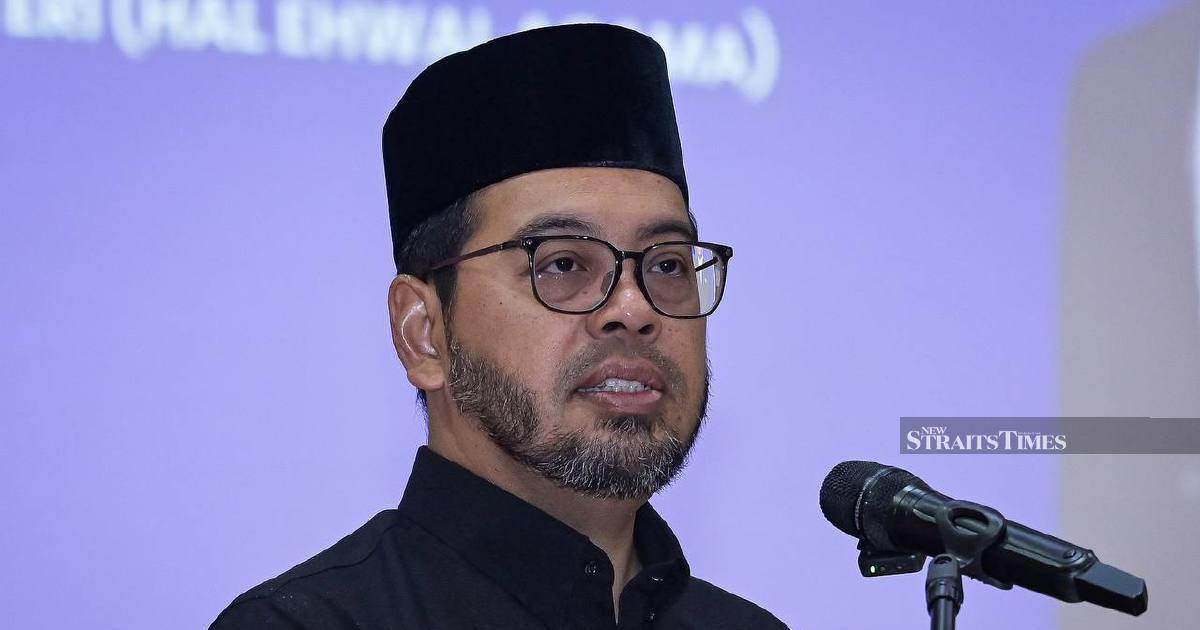
The Prime Minister's Department (Religious Affairs) has pledged comprehensive backing for Sultan Ibrahim, King of Malaysia, in his demand that investigations stemming from the Royal Commission of Inquiry (RCI) into Lembaga Tabung Haji (TH) be executed with rigour, openness and absolute integrity. The endorsement from Putrajaya signals governmental alignment with the monarch's expectations as TH faces unprecedented scrutiny over its management and governance practices that have drawn concern from regulators and the Muslim community alike.
The King's intervention in calling for thoroughness without compromise represents a significant moment in Malaysia's institutional accountability architecture. His Majesty's emphasis on transparency reflects the seriousness with which the Palace views the matters examined by the RCI, which has spent considerable time investigating the pilgrimage fund's operations and decision-making processes. For a sacred institution managing the hajj savings of hundreds of thousands of Malaysian Muslims, the standards being set are appropriately exacting.
Lembaga Tabung Haji holds extraordinary significance within Malaysian Islamic finance and social infrastructure. The institution functions as both a mandatory savings programme and a pilgrimage facilitator, collecting contributions from Muslim workers across the nation and deploying those funds for investment and hajj-related expenses. When governance lapses occur within such an entity, they carry implications extending beyond corporate mismanagement to touch questions of religious trust and community welfare. The fund's troubles therefore resonate across Malaysia's Muslim-majority population in ways that typical corporate scandals might not.
The RCI's investigation process has itself become consequential as a test of institutional integrity. Royal Commissions of Inquiry occupy a particular position in Malaysia's governance framework, offering space for investigation that falls between routine ministerial oversight and full judicial proceedings. Their effectiveness depends substantially on the seriousness with which their findings are subsequently pursued. The King's directive essentially establishes a benchmark: whatever the RCI has uncovered demands response proportionate to the magnitude of any wrongdoing identified.
The Prime Minister's Department's public commitment to backing the King's position carries practical implications for how subsequent investigations will be resourced and prioritized. Government agencies responsible for follow-up action—whether through enforcement bodies, law enforcement, or regulatory authorities—now operate under clear instructions to treat this matter with priority. Bureaucratic inertia or half-hearted compliance becomes less defensible when the monarch has explicitly called for uncompromising action.
Transparency in the investigative process addresses a critical concern in high-profile cases involving public institutions and Muslim community funds. Historical experience in Malaysia and across the Muslim world has shown that secretive or delayed responses to financial scandals can fuel speculation, damage institutional credibility, and undermine public confidence in governance systems. By contrast, investigations conducted openly allow stakeholders—particularly the millions of Malaysians with savings in TH—to understand what occurred and how breaches were addressed.
The invocation of thoroughness without compromise also hints at the RCI's findings potentially uncovering significant irregularities. Royal Commissions typically operate away from public view, so external observers cannot assess what evidence has been gathered or what conclusions the inquiry has reached. The King's unusually explicit language suggests the RCI may have identified matters serious enough to warrant emphasizing that no cost-cutting or protective impulses should constrain subsequent investigations.
For Malaysian pilgrims and savers, this development offers some assurance that institutional protection is not superseding accountability. TH serves millions of middle and lower-income Muslim workers who depend on the fund for their hajj journey—often the spiritual journey of a lifetime. When governance failures occur, these communities bear the consequences through delayed pilgrimages, reduced investment returns, or service disruptions. The King's intervention signals that their interests are being taken seriously at the highest level.
The regional context also matters for understanding why institutional accountability around TH has gained prominence. Throughout Southeast Asia and the broader Muslim world, questions about governance of Islamic finance institutions have become increasingly salient. Malaysia positions itself as a hub for Islamic finance and governance expertise, making the handling of TH's challenges particularly visible to international observers and peer institutions across the region.
Moving forward, the effectiveness of these commitments will be measured through concrete action. Investigations must produce clear findings with attribution of responsibility where warranted. Remedial measures should address root causes rather than merely responding to symptoms. Stakeholder communication should remain ongoing rather than concluding once formal inquiries end. The standard the King has set is sufficiently high that anything less than genuine institutional reform and accountability would constitute a failure to meet expectations now publicly established.
The Prime Minister's Department's endorsement of the King's directive represents an important alignment of institutional authority around accountability principles. In Malaysia's constitutional framework, such coordination between executive government and the Crown on matters of national concern carries considerable weight. This convergence of positions from both political leadership and constitutional monarchy suggests that whoever is ultimately found responsible for TH's difficulties should expect serious consequences rather than political protection or administrative remedies that merely preserve facade without substance.

