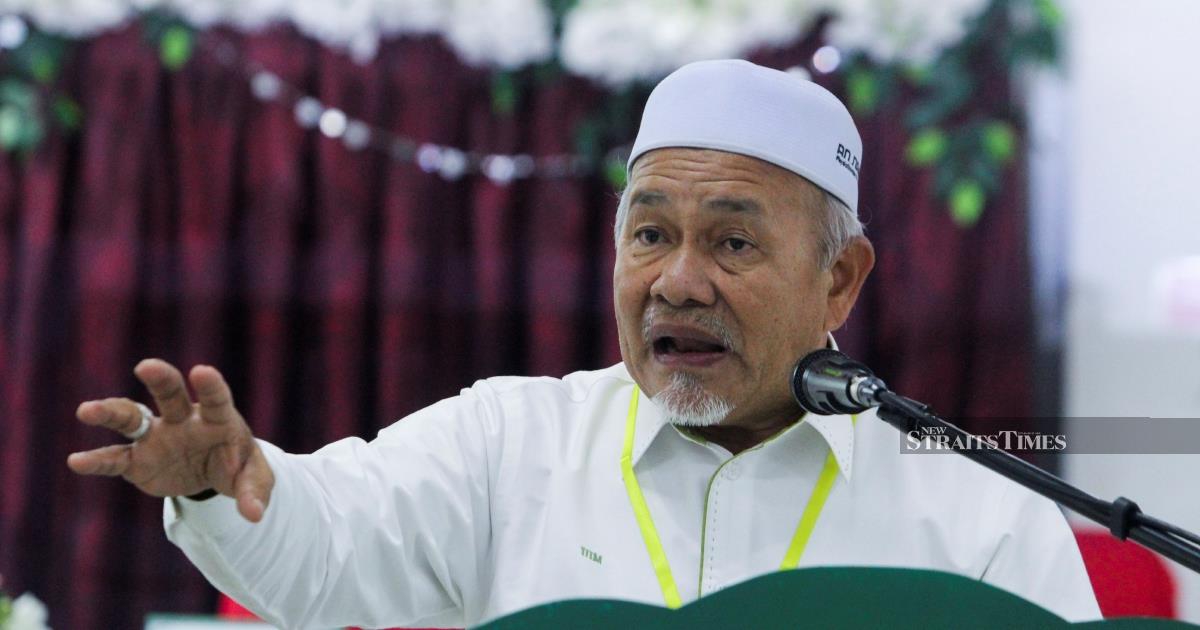
The political alliance between Perikatan Nasional and Barisan Nasional is functioning effectively across Negri Sembilan, according to senior coalition figures assessing campaign readiness ahead of state elections. Datuk Seri Tuan Ibrahim Tuan Man, the deputy president of Pas—a major PN component—highlighted the absence of friction between the two opposing coalition blocs during coordinated campaign activities, signalling that machinery integration has proceeded without the operational tensions that sometimes plague multi-party electoral contests.
The maintenance of smooth cooperation between PN and BN represents a critical advantage in electoral competition, particularly at the state level where local organisation and grassroots mobilisation often determine outcomes. Campaign machinery encompasses the vast networks of party activists, community liaisons, and volunteer coordinators responsible for door-to-door engagement, event logistics, and voter outreach. When these systems function coherently across allied parties, they amplify messaging reach and strengthen voter contact efficiency. The positive assessment from Tuan Ibrahim suggests that coordination protocols between PN and BN have successfully prevented the duplicative efforts or territorial disputes that might otherwise undermine campaign effectiveness in the state.
Negri Sembilan has historically been a competitive political battleground, with leadership and legislative representation frequently contested between major coalitions. The state's mixed urban and rural constituencies require calibrated strategies that address diverse voter concerns—from industrial workers in Seremban to agricultural communities in peripheral districts. When PN and BN machinery operates in harmony, resources can be distributed strategically rather than wastefully, allowing both coalitions to concentrate firepower on genuinely contested seats where voter sentiment remains undecided.
The significance of grassroots coordination cannot be overstated in Malaysian electoral contests. Beyond the parliamentary theatre and media campaigns, voters often make decisions based on direct interactions with community representatives and party workers. These frontline operatives relay voter concerns upward, identify emerging issues, and maintain the personal connections that sustain electoral loyalty across election cycles. Tuan Ibrahim's emphasis on positive grassroots engagement suggests that party workers from PN and BN constituent organisations have managed expectations and avoided the petty conflicts that occasionally surface when multiple parties compete simultaneously for voter attention within shared communities.
For Perikatan Nasional, which consolidated its position as a major national force only in recent years, maintaining effective collaboration with established players like Barisan Nasional demonstrates organisational maturity. PN comprises diverse components—Pas, Bersatu, and smaller parties—each with distinct ideological positions and voter bases. Managing these internal differences while simultaneously coordinating externally with BN requires sophisticated political management. The fact that campaign machinery is operating smoothly indicates that PN's leadership has successfully navigated these complexities without allowing internal tension or coalition friction to disrupt electoral preparations.
Barisan Nasional, the traditional governing coalition that faced significant electoral challenges in recent contests, benefits from PN cooperation through reinforced organisational capacity and expanded voter reach. BN's component parties—including Umno, MCA, and Gerakan—bring institutional experience and established community networks. When combined with PN's grassroots momentum and activist energy, the coordinated approach potentially addresses voter segments that either coalition alone might struggle to reach. This complementary arrangement has become increasingly common as Malaysian electoral competition has evolved beyond simple two-coalition contests toward more fluid alliance-building.
The campaign atmosphere in Negri Sembilan reflects broader patterns in Malaysian politics, where state-level contests increasingly determine coalition viability and influence bargaining power in federal arrangements. A successful coordinated campaign bolsters both PN and BN's standing, while campaign dysfunction or machinery breakdown could provide ammunition to opposition forces. The smooth operations reported by Tuan Ibrahim thus carry implications extending beyond the immediate state contest, influencing broader coalition stability and national political calculations.
Challenges invariably emerge during extended campaigns, as unexpected issues arise and voter sentiment shifts. The initial harmony reported in Seremban does not guarantee friction-free operations through the entire campaign period. However, establishing strong foundational coordination—clear division of constituency responsibilities, unified messaging frameworks, and regular inter-party consultation mechanisms—creates resilience that allows coalitions to absorb and address problems constructively rather than watching them metastasise into public disputes.
For Malaysian voters observing this political landscape, the effectiveness of PN-BN campaign coordination represents one variable among many influencing electoral outcomes. Voter decisions ultimately depend on policy platforms, candidate quality, local grievances, and individual party track records in governance. However, campaign machinery efficiency affects how thoroughly these substantive factors reach voters and how persuasively they are communicated. A coalition that coordinates effectively can more comprehensively present its case to constituents, providing them with fuller information upon which to base electoral choices.
As Negri Sembilan's campaign intensifies, this reported machinery harmony will face real-world testing. The PN-BN coordination framework must accommodate the inevitable disagreements arising from different party interests, competitive instincts, and strategic preferences. The capacity to manage these tensions constructively, rather than allowing them to become public controversies, will determine whether the smooth operations highlighted by Tuan Ibrahim persist through polling day and beyond.

