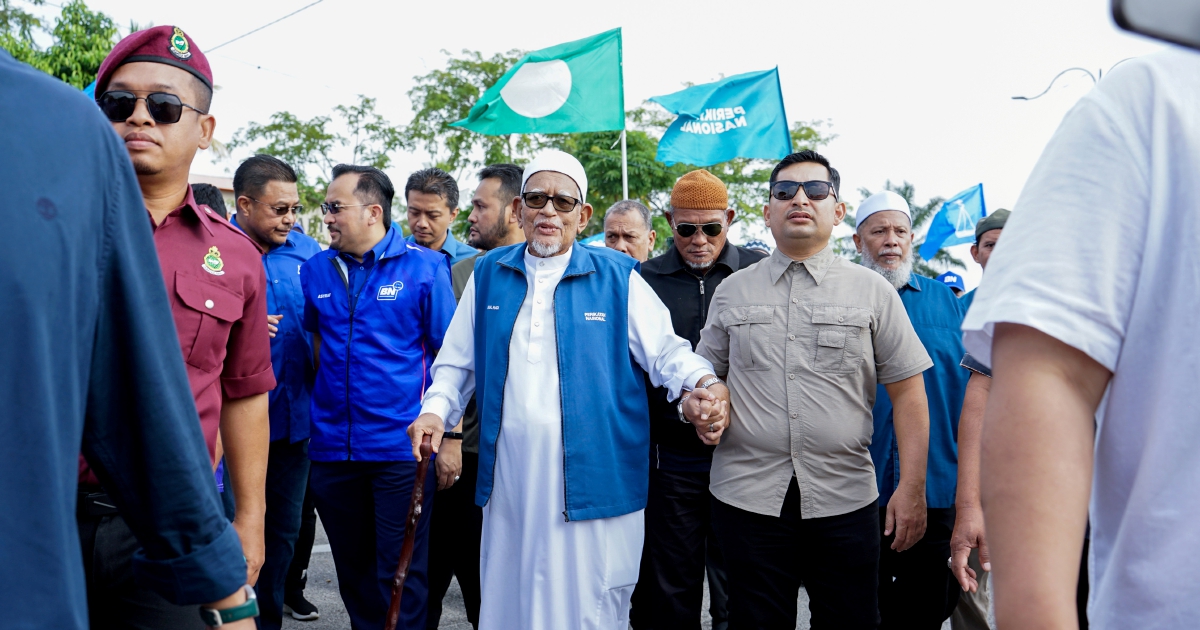
Perikatan Nasional and Barisan Nasional are currently engaged in discussions to determine seat allocations ahead of the forthcoming Melaka state election, PAS president Tan Sri Abdul Hadi Awang announced while in Marang. The revelation underscores the continuing political manoeuvring between the two major coalitions as they prepare for electoral contests across the country.
The negotiation process reflects the complex dynamics of Malaysia's coalition politics, where allocating state seats remains a critical challenge that can make or break alliance relationships. Melaka, as a competitive state with mixed urban and rural constituencies, represents significant symbolic and practical importance for both PN and BN as they position themselves for broader political advantage heading into future national elections.
PAS, as a cornerstone member of Perikatan Nasional, plays a pivotal role in these discussions. The party's representation in seat negotiations demonstrates its continued influence within the PN framework, even as the coalition faces periodic challenges to its internal cohesion. How PN and PAS manage their own internal seat distribution while negotiating with BN will prove decisive in shaping the final electoral configuration.
Barisan Nasional's approach to these negotiations reflects its strategic objective of maintaining political relevance across Malaysia's state legislatures. Following significant setbacks in recent years, BN has adopted a more pragmatic stance toward coalition arrangements, increasingly willing to negotiate rather than dominate seat-sharing discussions as it did in previous political eras.
The timing of these negotiations carries broader implications for Malaysia's political stability. Electoral arrangements determined now will influence the composition of state governments and shape political momentum heading into potential general elections. Melaka's history of volatile electoral results and shifting coalitions makes seat allocation here particularly consequential for how each coalition frames its electoral appeal.
Melaka's electoral map presents distinct challenges for negotiators. The state encompasses constituencies with varying demographic profiles, from established urban centres to developing areas and traditional Malay-Muslim strongholds. PN's Islamic focus contrasts with BN's more heterogeneous approach, creating natural friction points in seat discussions where both coalitions compete for the same constituencies.
The negotiation process itself reveals tensions inherent in Malaysian coalition politics. While PN and BN maintain certain areas of cooperation, they fundamentally compete for voter support and legislative seats. Reaching agreement on seat boundaries and allocations requires both coalitions to accept limitations on their territorial ambitions, a compromise that both sides find difficult given the zero-sum nature of electoral competition.
For PAS specifically, these negotiations represent an opportunity to strengthen its position within PN while simultaneously demonstrating its capacity to negotiate effectively with rival coalitions. The party's handling of seat discussions will influence internal PN dynamics, particularly its relationship with other Perikatan components and its overall strategic positioning within Malaysian politics.
BN's participation in these talks suggests a deliberate strategy to maintain a presence across multiple state contests rather than yielding ground entirely to PN. This approach indicates BN leadership has concluded that negotiated arrangements, even when unfavourable, serve the coalition's long-term interests better than contested elections where it might face decisive defeats.
The ongoing nature of these negotiations indicates that consensus remains elusive on numerous points. Deep disagreements likely persist regarding which coalition receives stronger constituencies, how competitive seats should be distributed, and whether either side should concede strategic areas entirely. These technical details disguise fundamental questions about political power and electoral viability.
For Malaysian voters and regional observers, these negotiations foreshadow significant changes in Melaka's political landscape. The eventual seat arrangement will determine whether PN consolidates state-level dominance or whether BN successfully resurrects its presence following years of electoral decline. The outcome will provide crucial indicators of voter sentiment and coalition strength heading into subsequent elections.
The significance of these talks extends beyond Melaka itself. How PN and BN resolve their differences regarding seat allocation here may establish precedents for negotiations in other states facing elections. Successful compromise in Melaka could facilitate cooperation elsewhere, while deadlock here might poison coalition relationships and lead to more contentious electoral contests in future state elections across Malaysia.

