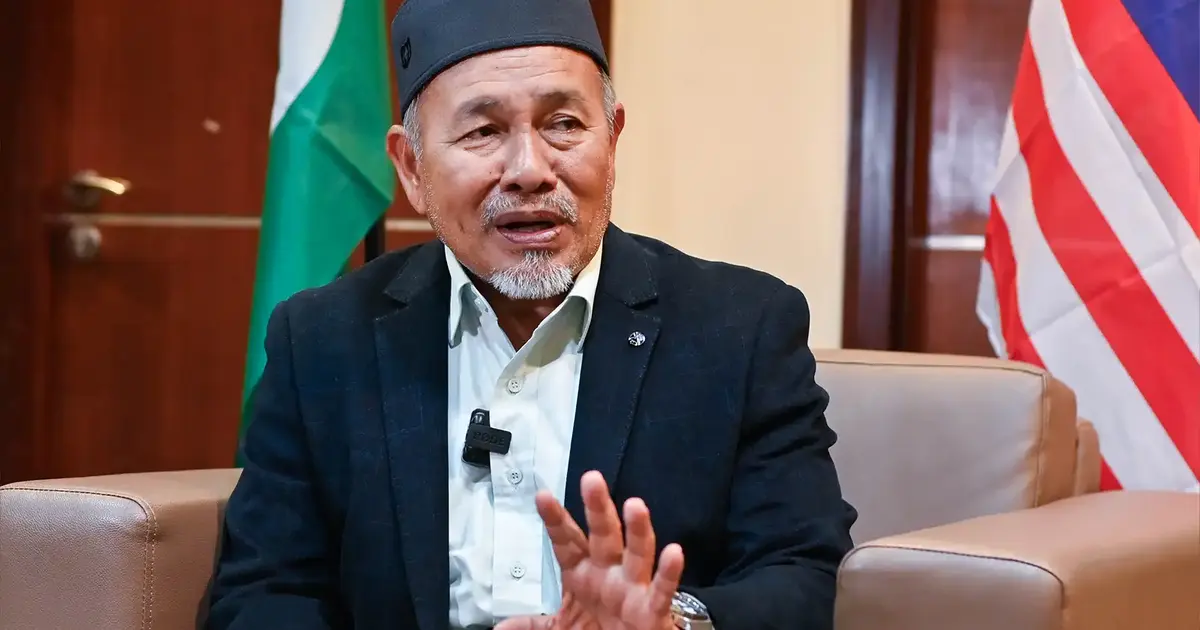
Perikatan Nasional appears unconcerned about the prospect of seat clashes with Barisan Nasional in the Melaka state elections, with PAS deputy president Tuan Ibrahim Tuan Man signalling that any initial disagreements could be smoothed out through constructive dialogue. Although the two coalitions have yet to initiate formal seat allocation talks, Tuan Ibrahim's measured confidence suggests behind-the-scenes coordination may be progressing or that PN views potential overlaps as manageable rather than insurmountable obstacles.
The remarks come at a sensitive juncture for Malaysian coalition politics. PN and BN have maintained an on-and-off working relationship since the 2022 general election, with their willingness to cooperate varying by state and electoral cycle. In Melaka specifically, where both coalitions have historical strongholds and competing interests, the absence of detailed seat-sharing discussions heading into polls carries both risk and opportunity. For PN—consisting primarily of PAS, Bersatu, and smaller parties—securing adequate representation is crucial to demonstrating relevance in the peninsula's heartland states.
Tuan Ibrahim's optimism likely stems from several factors. First, both coalitions have mutual incentives to avoid a damaging three-way contest that could benefit the opposition or splinter the Malay-Muslim vote. Second, PN has shown pragmatism in past seat negotiations, willing to concede certain constituencies in exchange for others perceived as more winnable. Third, BN's internal struggles and the need for fresh electoral momentum may make its leadership receptive to accommodations with PN, provided the terms strengthen rather than weaken Barisan's overall position.
However, the lack of formal talks at this stage does carry risks often underestimated by political commentators. Seat disputes can escalate rapidly if informal understandings break down or if grassroots candidates in either coalition proceed without central coordination. Melaka's competitive electoral landscape, where majorities are tight and constituency boundaries have shifted, means even a handful of contested seats could determine the state government's composition. If PN and BN end up fielding rival candidates in the same divisions, the resulting fragmentation could hand seats to Pakatan Harapan or independent candidates.
The Melaka context adds another layer of complexity. The state has swung between coalitions several times in recent years, reflecting volatile voter sentiment and factional tensions within BN and PN themselves. Some constituencies are considered three-cornered or multi-sided contests where a split in the pro-BN or pro-PN vote would be catastrophic. Tuan Ibrahim's confidence may reflect internal calculations about which seats are genuinely contested and which can be allocated without significant internal party resistance.
From a regional perspective, the Melaka polls matter beyond the state itself. They function as a bellwether for federal coalition dynamics and Malay-Muslim political preferences. A successful PN-BN coordination would signal renewed federal-level cooperation and potentially reshape the political narrative heading toward the next general election. Conversely, visible friction or seat clashes would undermine both coalitions' claims to representing a unified Malay-majority voice and could embolden Pakatan to renew its push into traditionally conservative states.
The timing of Tuan Ibrahim's comments is also instructive. By publicly expressing confidence in resolving disputes even before formal talks occur, PAS is attempting to manage expectations and project strength. This messaging serves multiple audiences: PN's internal grassroots and elected representatives (reassuring them of central leadership's competence), BN stakeholders (signalling PN's reasonableness and flexibility), and the broader electorate (suggesting political maturity and focus on governance rather than petty factional warfare).
Nevertheless, PAS and PN face credibility questions on this front. In several past elections, PN's seat negotiations have collapsed or produced acrimonious public disputes, particularly with BN at the federal level. If the Melaka talks eventually stumble or become contentious, Tuan Ibrahim's current optimism will be recalled as hollow political theatre. This creates an accountability mechanism: the deputy president has staked PN's reputation on delivering a smooth, consensual arrangement.
Looking ahead, the actual test will come when formal negotiations commence. At that point, specific grievances about seat valuations, candidate viability, and historical performance will surface. Whether PN's leadership can manage these micro-level disputes without public acrimony depends on their institutional capacity and political will. The silence on talks at present may reflect genuine confidence, but it could equally mask ongoing difficulty in reaching preliminary understandings at the working level.
For Malaysian voters in Melaka, the outcome matters profoundly. A unified BN-PN front, even if achieved late or imperfectly, concentrates political power and reduces electoral unpredictability. Conversely, seat clashes inject genuine competition and voter choice into the contest. How PN and BN navigate the coming negotiations will reveal much about the durability of their informal alliance and whether they can transcend personal and factional rivalries for collective political advantage.

