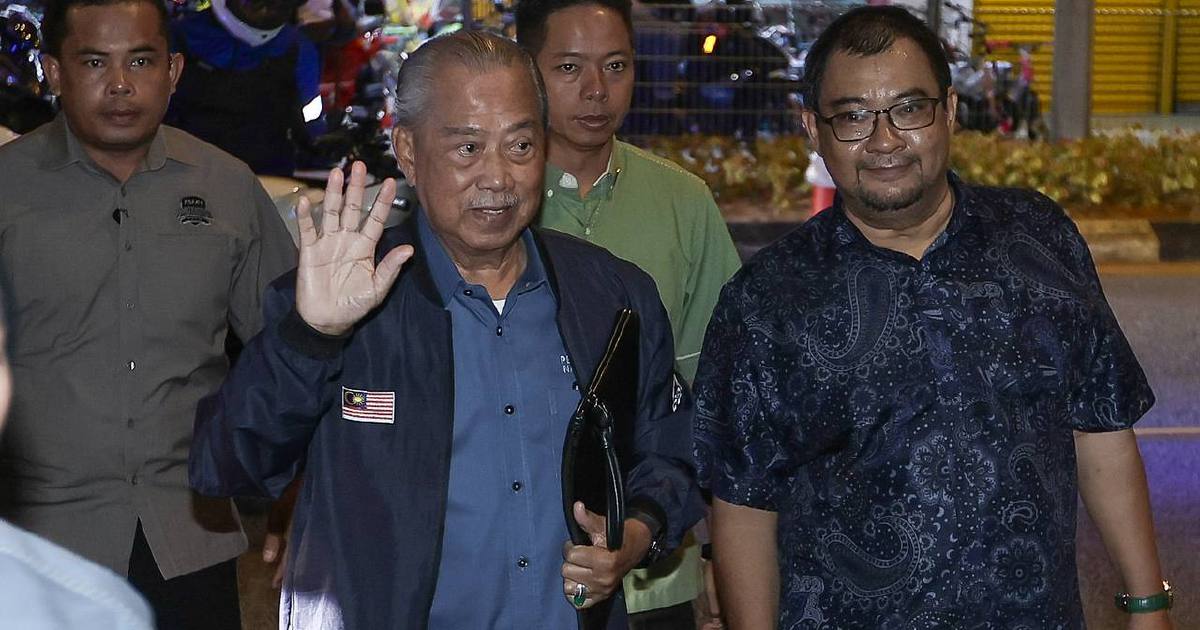
Perikatan Nasional (PN) leadership convened an emergency session of its Supreme Council in Kuala Lumpur, addressing the coalition's structural evolution and prospective membership opportunities, while conspicuously steering away from substantive discussion about Bersatu's position within the opposition arrangement. The selective focus of the meeting underscores the delicate internal dynamics within PN as it navigates the broader question of realignment in Malaysian politics.
The coalition's decision to exclude Bersatu's membership status from the agenda signals an intentional compartmentalisation of issues that coalition leaders view as potentially divisive at present. Rather than engaging with the thornier questions surrounding Bersatu's relationship to the broader opposition framework, PN chose to concentrate on forward-looking expansion opportunities and coalition administration matters. This strategic avoidance may reflect broader uncertainties about the party's trajectory and the preferences of key figures within the opposition bloc.
Bersatu's position has long been contentious within opposition politics. The party, which operates as both a member of PN and maintains other political connections, represents a significant bloc of parliamentary seats and considerable grassroots influence. How the party aligns—whether deepening ties with PN, maintaining flexibility, or pursuing alternative arrangements—carries substantial weight for Malaysia's political balance.
The emergency convening of PN's Supreme Council itself warrants examination. Such extraordinary sessions typically signal urgent matters requiring rapid consensus-building among senior members. The decision to focus narrowly on coalition expansion while bracketing the Bersatu question suggests leadership wanted to achieve concrete progress on defined matters without reopening broader strategic debates that might derail agreement.
For Malaysian observers tracking opposition unity, the omission of Bersatu from substantive discussion raises important questions about confidence levels within PN leadership. If leadership possessed strong consensus on Bersatu's role and future relationship to the coalition, the topic might have been addressed directly. The avoidance hints at differing viewpoints among PN's component parties that leaders judged premature to confront in a full council setting.
Potential new membership discussions indicate PN remains open to expanding its parliamentary and political footprint. This expansionist orientation aligns with broader strategies among opposition coalitions to consolidate anti-government sentiment and build working majorities in Parliament. However, expanding membership without clarifying existing members' positions creates complexity. New entrants would join a coalition whose internal architecture remains ambiguous regarding core members like Bersatu.
The timing of this emergency session within Malaysia's broader political calendar merits consideration. The government continues to pursue its legislative agenda, and opposition coordination directly affects parliamentary dynamics. An opposition coalition facing internal uncertainties about membership and positioning operates at a disadvantage. PN's leadership may have calculated that achieving clarity on expansion opportunities, even while deferring other questions, represented the most productive path forward.
Bersatu's role extends beyond formal coalition mechanics. The party commands considerable support in specific regions and maintains organisational depth that exceeds what raw seat counts suggest. Party decisions about alignment or separation reverberate through PN's effectiveness as a coordinating force. Leadership's reluctance to address this directly during the emergency session implies recognition that any public debate could produce unwanted signals or deepen internal fractures.
Regional observers across Southeast Asia watch Malaysian opposition dynamics closely, particularly regarding how diverse political actors coordinate against sitting governments. PN's evolution—whether toward consolidated opposition unity or continued structural ambiguity—carries implications for broader patterns of political competition in the region. An opposition unable to maintain internal coherence struggles to present compelling alternatives to voters.
Looking forward, PN faces the challenge of addressing deferred questions. Sidelining Bersatu's status provides temporary relief but postpones necessary reckonings about coalition architecture and member expectations. Future Supreme Council sessions will likely confront these issues, though whether coalition leaders can achieve clarity depends partly on whether intervening events shift political calculations among key players.
For Bersatu specifically, being excluded from substantive discussion, while perhaps minimising immediate controversy, may intensify questions about the party's real influence within PN's decision-making structures. The deliberate omission could be read as either protective—avoiding uncomfortable scrutiny—or marginalising, depending on one's perspective on the party's long-term strategic interests.
The emergency meeting's outcome illustrates how Malaysian opposition coalitions operate: balancing unity rhetoric with underlying tensions, advancing certain agendas while managing internal complexity, and adopting tactical approaches to navigate near-term political challenges. How effectively PN manages these contradictions will shape its viability as a counterweight to government dominance in coming parliamentary sessions.