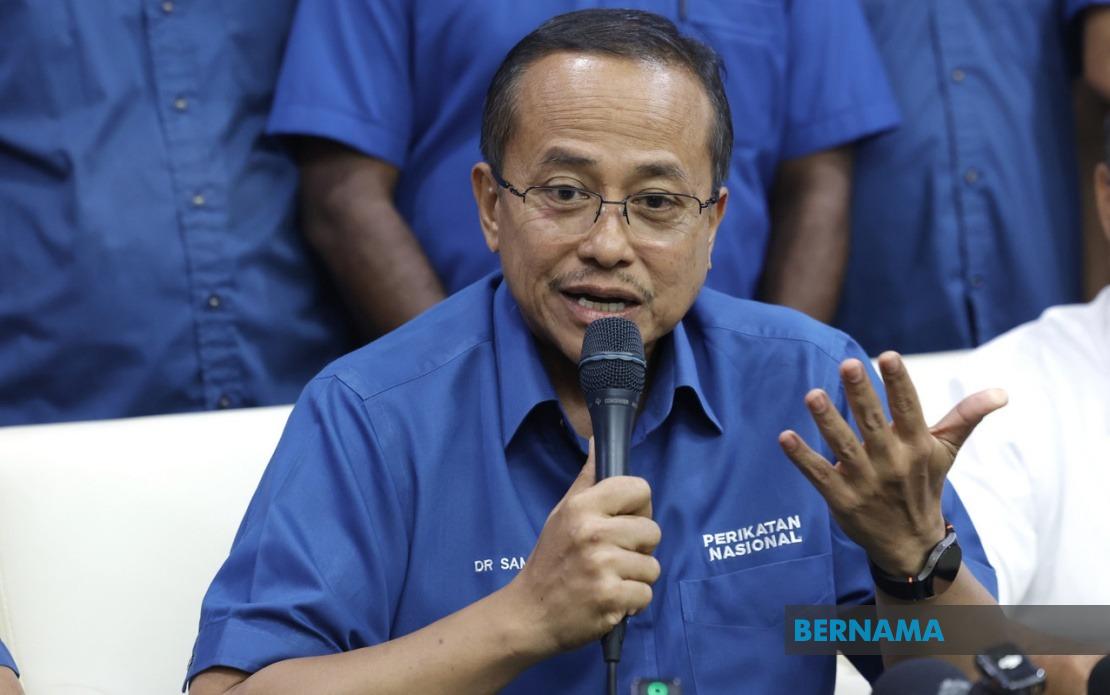
The Perikatan Nasional coalition moved to finalise its electoral machinery for the 16th Negeri Sembilan state election on July 16, with the Supreme Council formally approving seat distributions among its component parties and mandating that all candidates will stand under the coalition's banner. This decision, announced by PN chairman Datuk Seri Dr Ahmad Samsuri Mokhtar, represents a crucial alignment within the broad conservative and Islamist-leaning alliance ahead of the state poll.
The four component parties benefiting from the allocation framework are PAS, Gerakan, Wawasan, and the Malaysian Indian People Party, each receiving designated constituencies to contest. The unified logo directive signifies PN's intention to present itself as a cohesive electoral force rather than permit fragmentation across multiple party symbols—a strategic move designed to consolidate voter recognition and messaging in a state where seat distribution can determine government control.
Ahmad Samsuri underscored that PN's participation in the Negeri Sembilan contest would centre on three primary themes: advancing public welfare, accelerating development initiatives, and maintaining social harmony within the state's ethnically diverse population. This positioning reflects PN's broader governance narrative, emphasising stability and economic progression while implicitly contrasting itself with alternative political coalitions competing for state control. For Malaysian readers, such framing typically signals conservative emphasis on Bumiputera interests and Islamic governance principles alongside development rhetoric.
The PN chairman also addressed procedural transparency by confirming that all preliminary negotiations with potential allies had occurred under his direct oversight and secured ratification from the Supreme Council during the special July 16 convening. This statement carried implicit significance, as it sought to establish clear decision-making authority within the coalition hierarchy and preempt any impression of unilateral actions by individual component parties or regional leaders operating outside formal channels.
However, the coalition's announcement came against the backdrop of significant internal friction. Tan Sri Muhyiddin Yassin, president of Bersatu—a component party within the broader Perikatan framework at the national level—publicly declared that his party had not participated in PN seat allocation discussions for Negeri Sembilan. This rupture highlighted a crucial tension within Malaysian coalition politics: the distinction between national-level alliance arrangements and state-specific electoral configurations, where component parties sometimes pursue independent strategies.
Muhyiddin's assertion that Bersatu had no involvement in the PN negotiations raised questions about internal communication mechanisms and the extent of unity binding the coalition's constituent elements. His subsequent announcement that Bersatu would contest independently under its own party logo in Negeri Sembilan represented a direct bifurcation of the electoral campaign, potentially complicating PN's messaging coherence and vote consolidation efforts. For Malaysian political observers, such fractures within ostensibly unified coalitions are not uncommon during state elections, where local power dynamics and leadership rivalries can override national arrangements.
The Negeri Sembilan context carries particular weight given the state's political volatility and recent history of government transitions. The state has alternated between different political coalitions in successive election cycles, and seat distribution often determines whether either major alliance—PN or the Barisan Nasional-PKR-DAP coalition—can secure the simple majority required to form government. The presence of competing PN and independent Bersatu candidates in the same constituencies could thus fragment the conservative vote and inadvertently benefit opposition candidates in split contests.
For Southeast Asian observers monitoring Malaysian political cohesion, the Bersatu-PN division in Negeri Sembilan exemplifies how national coalition arrangements frequently prove brittle when tested at state level. The incentive structure of local politics—where individual politicians prioritise securing their own constituencies and regional leadership positions—often outweighs national party discipline. This dynamic has recurred across multiple Malaysian state elections since the 2018 general election reshuffled the political landscape.
The timing of the seat allocation approval and Bersatu's simultaneous rejection suggests underlying negotiations may have broken down in recent days rather than representing a longstanding position. Ahmad Samsuri's reference to approving preliminary discussions with other parties—likely encompassing negotiations with potential allies beyond the formal PN structure—indicates that coalition builders had been exploring broader alliances that may have triggered Bersatu's withdrawal. Whether this involved Barisan Nasional coordination or independent arrangements with other political actors remains unclear from the available public statements.
For Negeri Sembilan voters and Malaysian political analysts, the unfolding situation underscores how state elections often function as crucial laboratories for coalition experimentation and testing political alignments before national contests. The Negeri Sembilan election will reveal whether unified PN branding can overcome internal fragmentation, whether Bersatu's independent candidacy resonates with its traditional supporters in the state, and whether opposition coalitions can capitalise on conservative-vote splitting to alter the state's political balance.
The coalition logo decision itself carries symbolic and practical implications. A unified PN identity facilitates coordinated campaigning, shared resources, and consistent messaging—advantages particularly valuable in competing against established opposition machinery. Simultaneously, it risks obscuring the distinct programmatic positions and support bases of individual component parties, potentially alienating voters who view some parties more favourably than others. For Malaysian readers navigating increasingly fragmented political landscapes, such visual and organisational choices shape how they perceive coalition authenticity and coherence.
As the Negeri Sembilan campaign takes formal shape following candidate announcements, the dual PN-Bersatu approach will test whether Malaysian voters prioritise coalition unity narratives or reward parties that pursue independent positioning. The outcome will likely reverberate through subsequent state elections and influence how national political alliances calibrate their state-level strategies, particularly regarding internal discipline and seat-sharing arrangements.

