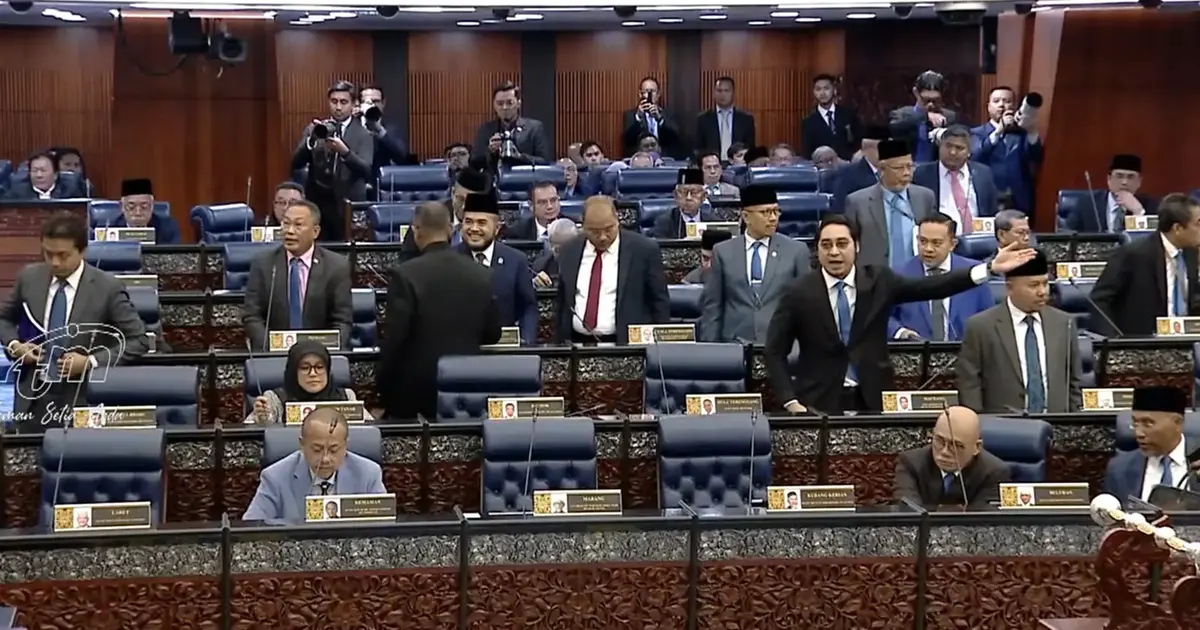
Tension erupted in Malaysia's lower house when Perikatan Nasional lawmakers abandoned their seats following the Speaker's decision to proceed with a special parliamentary session despite calls for postponement. The opposition coalition had insisted the Dewan Rakyat sitting be rescheduled to accommodate the Prime Minister's participation, viewing his attendance as essential for proper scrutiny of matters related to Tabung Haji, the Islamic pilgrimage savings scheme that has become a focal point of parliamentary debate.
The walkout represents a significant moment of political discord in the current parliamentary session, underscoring persistent tensions between the government and opposition benches over procedural matters and oversight mechanisms. Perikatan Nasional's position reflects broader concerns within opposition ranks about the handling of sensitive economic and administrative issues without senior government leadership present to respond directly to parliamentary questioning and debate. The coalition's unified stance on this procedural matter signals coordinated pressure tactics aimed at forcing concessions from the ruling government.
Notably, Bersatu, the largest component of Perikatan Nasional and a party that has previously oscillated between government and opposition roles, chose not to participate in the walkout. This decision by Bersatu creates an internal split within the coalition, highlighting ongoing fault lines and strategic disagreements about how aggressively to confront the government on parliamentary procedures. The party's divergent approach may reflect calculations about maintaining working relationships with the current administration or differing assessments of the political efficacy of such confrontational tactics.
Tabung Haji has long served as a crucial institutional touchstone in Malaysian politics, affecting millions of Muslim citizens and their families. Issues surrounding the fund's management, governance structures, and financial performance regularly attract parliamentary scrutiny and public concern. The special sitting's focus on Tabung Haji suggests substantive matters requiring high-level political engagement, which from the opposition's perspective, demands the Prime Minister's direct involvement and accountability.
The Speaker's decision to proceed with the sitting despite opposition objections represents an exercise of parliamentary authority to maintain legislative momentum and prevent procedural obstruction. Speakers in Westminster-style parliaments balance competing demands: accommodating legitimate requests for scheduling changes against the need to maintain business continuity and prevent tactical delays. By refusing the postponement request, the Speaker essentially ruled that the sitting's importance and urgency outweighed the absence of the Prime Minister, a judgment that opposition lawmakers clearly disputed.
This episode illustrates recurring challenges in Malaysia's parliamentary system, where government-opposition dynamics create perpetual tension over procedural matters. Opposition coalitions often employ parliamentary tactics—including walkouts, amendments, and scheduling requests—as pressure mechanisms to extract policy concessions or highlight governance concerns. The effectiveness of such tactics depends partly on public perception and media coverage, making the political theatre of parliamentary confrontation as significant as its substantive outcomes.
For Malaysian political observers, the Bersatu faction's non-participation in the walkout carries particular significance given the party's history of coalition-switching and pragmatic realignment. Bersatu's reluctance to fully embrace Perikatan Nasional's position may indicate either strategic distance from the coalition's tactics or calculations about future political positioning. In Malaysia's fluid political landscape, where coalitions frequently reconfigure, such divergences can signal deeper shifts in party alignments and government stability.
The incident also reflects broader questions about parliamentary governance and economic oversight in Malaysia. Tabung Haji's importance to millions of citizens means that its administration warrants rigorous scrutiny and transparent debate. Opposition arguments about requiring Prime Minister attendance gain weight when considering the need for executive accountability on major policy institutions. Conversely, the government's position through the Speaker suggests confidence in ministers' ability to represent executive interests during the sitting.
Looking forward, this walkout may catalyse further parliamentary maneuvering as both sides calculate the political consequences of the confrontation. Opposition groups might escalate tactics, while the government could seek procedural adjustments to prevent future obstruction. The Bersatu situation remains particularly important to monitor, as the party's positioning could shift depending on broader developments in government coalition dynamics. For Malaysian citizens following parliamentary affairs, such incidents reveal both the strengths and vulnerabilities of Westminster-style procedures when applied in increasingly polarized political contexts.

