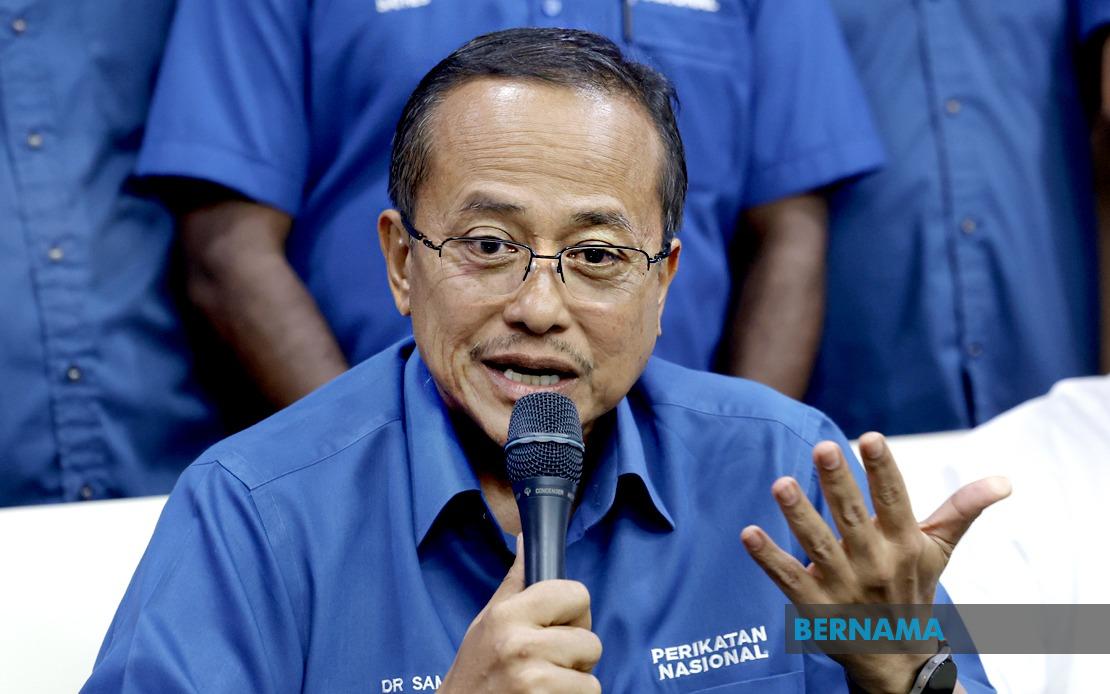
Perikatan Nasional has signalled its readiness to engage in negotiations with Barisan Nasional in preparation for the Melaka state election, according to a statement from the coalition's chairman Datuk Seri Dr Ahmad Samsuri Mokhtar. Speaking at the 23rd Perak PAS Convention in Taiping, Ahmad Samsuri indicated that PN views formal discussions with its long-time political rival as a viable pathway to strengthening its position in the upcoming state polls, despite the two coalitions having maintained their separate electoral strategies in recent years.
While no substantive talks have yet materialized between PN and BN, Ahmad Samsuri emphasized that the window for such discussions remains open given the Melaka State Legislative Assembly has not been dissolved. This timing consideration carries strategic weight, as negotiations conducted before the formal dissolution of the assembly could shape candidate selection, seat allocation, and joint campaign strategies without the pressures of an active campaign timetable. The chairman suggested that any cooperation framework should ideally be concluded before the dissolution notice is formally announced, a position reflecting the practical realities of coalition-building in Malaysian state politics.
In his address to party delegates, Ahmad Samsuri presented a quantified assessment of PN-BN cooperation's electoral viability. Based on his analysis, the coalition projected approximately a 75 per cent probability of successfully forming the state government should they contest jointly. This statistical projection carries particular significance for PN, which currently occupies the opposition benches in the Melaka assembly. The prospect of transitioning from opposition to government status represents a fundamental strategic objective that could reshape the coalition's standing within the broader political landscape of Peninsular Malaysia.
However, Ahmad Samsuri tempered expectations by acknowledging the substantial challenges inherent in any formal alignment between PN and BN. Drawing an analogy to road conditions, he characterized the path toward joint governance as fraught with obstacles and demanding considerable patience, tolerance, and careful navigation from both coalitions. This candid assessment reflects the genuine complexities involved: the two blocs must reconcile competing interests across multiple dimensions, including state-level politics, federal-level positioning, and internal party dynamics within their respective member organizations.
The prospect of PN-BN cooperation in Melaka carries broader implications for Malaysian politics. Such an alignment, should it materialize, would represent a significant recalibration of post-2018 political realignments. The instability that has characterized Malaysian state and federal politics over recent years has periodically brought together coalitions that were previously adversarial, driven primarily by calculations of electoral advantage and governmental stability. A successful cooperation framework in Melaka could potentially serve as a precedent or template for similar arrangements in other states, depending on local political configurations and party interests.
For Barisan Nasional, engagement with PN in Melaka presents a strategic calculus that differs significantly from its federal positioning. While BN has consolidated its strength at the state level in recent years through measured approaches and careful coalition management, Melaka remains contested political territory. The presence of PN as a formidable competitor has complicated BN's path to supermajority control in recent elections. Cooperative arrangements could allow BN to optimize seat distributions and maximize its legislative dominance without directly confronting PN's electoral machinery in head-to-head contests.
The PAS component within PN carries particular weight in this negotiation dynamic. As the dominant Islamic party within PN and a significant electoral force in many Melaka constituencies, PAS's positioning on cooperation with BN will substantially influence whether substantive talks advance beyond preliminary signalling. The presence of Perak PAS Commissioner Datuk Idris Ahmad at the Taiping convention underscored the organizational importance being placed on these discussions within party structures.
From a voter perspective, any PN-BN cooperation framework would fundamentally alter the electoral dynamics that Melaka voters have become accustomed to in recent election cycles. The emergence of a combined PN-BN slate would reduce the number of genuine competitive contests, potentially reducing voter choice in certain constituencies while paradoxically strengthening competition in others where BN or PN maintained separate candidates to satisfy internal coalition balance requirements. Such arrangements typically involve complex negotiations regarding candidate selection, with both parties seeking to retain their most competitive candidates and protect their respective political bases.
The timing of Ahmad Samsuri's public statements reflects deliberate political messaging. By publicly affirming PN's openness to talks, the coalition signals to BN that it is a serious negotiating partner while simultaneously demonstrating to its own base that it is pursuing all available pathways to power. This dual-audience communication strategy is typical of Malaysian coalition politics, where maintaining internal party cohesion while engaging external partners requires carefully calibrated public positioning.
Looking beyond Melaka, the potential cooperation between PN and BN in this state election could carry consequences for national politics. Should such an arrangement succeed in Melaka and deliver the projected electoral outcomes, it might influence calculations in other states facing elections, including Terengganu, where PN currently holds power. The federal-level relationship between Prime Minister Datuk Seri Anwar Ibrahim's government and opposition coalitions would also be indirectly affected by any major state-level realignments, particularly if they result in opposition parties gaining increased governmental positions and resources.
For Melaka residents, the unfolding political negotiations underscore the fluid nature of Malaysian coalition politics. Rather than ideological consistency or programmatic differences typically distinguishing electoral competitors, Malaysian state politics frequently turns on pragmatic calculations of power-sharing, resource allocation, and organizational advantage. The upcoming Melaka election appears poised to exemplify this pattern, with PN and BN potentially transcending their recent adversarial positioning to pursue mutual strategic interests, provided negotiations overcome the substantial challenges Ahmad Samsuri explicitly acknowledged.

