PNB Merdeka Ventures Sdn Bhd (PNBMV) has unveiled 'GAPAI', its inaugural Merdeka-themed film, as part of a broader initiative to reconnect contemporary Malaysians with the nation's hard-won independence. The launch arrives as the country enters its National Month celebrations, a moment when institutional custodians of historical memory are making deliberate efforts to ensure that younger generations develop a visceral connection to the events of 1957 and their ongoing significance.
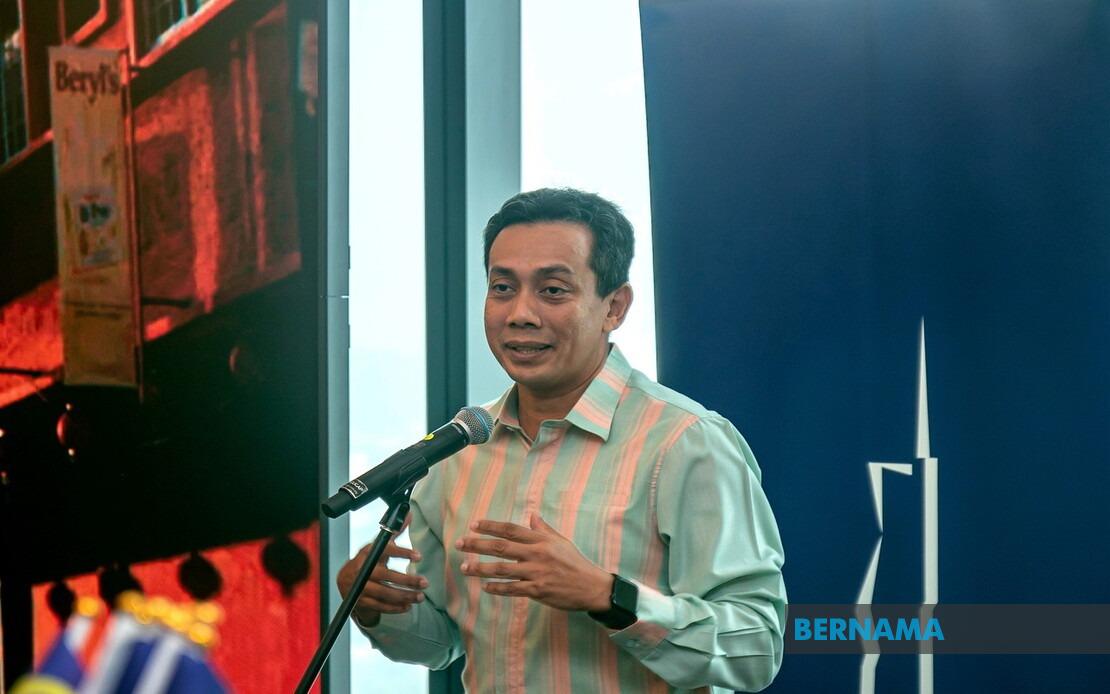
Datuk Dr Izwan Ibrahim, chief executive officer of PNBMV, framed the film and accompanying programming within a larger curatorial mission. He articulated the organization's dual responsibility: stewarding Malaysia's most pivotal heritage assets while simultaneously ensuring those assets function as living reminders rather than static monuments. This framing suggests recognition that passive preservation is insufficient; the past must be actively conveyed and emotionally resonant to shape present and future national consciousness.
The geographic significance of the initiative cannot be overstated. Merdeka 118, situated on the very location where Malaysia declared independence, occupies uniquely potent symbolic ground. By anchoring cultural programming and heritage activities at this site, PNBMV is leveraging spatial memory—the idea that physical location itself carries historical meaning that can be awakened through appropriate commemoration. This strategy acknowledges that heritage education extends beyond text and documentary into embodied experience.
The 'GAPAI' film itself launches publicly on August 25 across Merdeka 118's official social media channels, signalling a deliberate digital-first distribution approach. This methodology recognizes that effective national messaging now requires meeting younger audiences where they consume content rather than confining heritage narratives to institutional venues or traditional broadcast media. By prioritizing social platforms, PNBMV positions the independence narrative as contemporary and relevant rather than consigned to archives.
Complementing the film, a three-day Merdeka celebration scheduled for August 29-31 will activate the Merdeka Stadium and Merdeka Boulevard with programming that spans multiple dimensions of national culture. The Merdeka Community Bazaar creates space for grassroots participation, while cultural and heritage activities provide structured engagement with Malaysia's diverse traditions. The inclusion of a Merdeka Flashmob suggests deliberate effort to infuse spontaneity and contemporary performance idioms into independence commemoration, potentially making participation feel less formalized and more accessible to young people.
The WarisanKL Explorace element introduces a competitive, exploratory dimension to heritage engagement. Rather than positioning independence history as subject matter for passive consumption, this activity format encourages active movement through historical sites and discovery-based learning. Such gamification of heritage tourism has proven effective in major cities globally at encouraging deeper engagement, particularly among demographic groups that might otherwise skip commemorative programming entirely.
The Merdeka Textile Museum's public opening throughout the extended Merdeka weekend, coupled with free admission running through September 30, represents an accessibility-focused decision. By removing financial barriers and extending the promotional window beyond the weekend itself, PNBMV signals that this is not a one-off festival moment but rather the initiation of sustained engagement with material culture and the stories embedded in Malaysian textiles. Textile heritage carries particular resonance for understanding postcolonial national identity, as fabrics and patterns embody cultural continuity and adaptation across communities.
For Malaysian and regional stakeholders, this initiative holds several implications. Domestically, it reflects institutional recognition that independence narratives require ongoing reinvention and recontextualization as demographic composition and national consciousness evolve. The emphasis on youth engagement specifically addresses concerns that generational distance from 1957 risks diluting national cohesion and collective memory. In the regional context, Malaysia's approach to heritage curation and public history may serve as a model for other Southeast Asian nations grappling with similar questions about how to maintain independence narratives' contemporary relevance without lapsing into either nationalist kitsch or historical irrelevance.
The collaboration between PNBMV and LOCCO, while mentioned briefly, indicates that institutional heritage stewardship increasingly occurs through partnership models rather than top-down government programming alone. This distribution of curatorial responsibility across multiple stakeholders suggests confidence in plural approaches to national memory-making, though questions persist about whose narratives predominate when multiple institutional voices contribute simultaneously.
Critically, PNBMV's framing pivots on the notion that heritage sites function best as inspirational anchors rather than nostalgic retreats. The phrase 'where we came from and how far we have come' encapsulates this forward-looking approach—independence is neither purely historical nor merely contemporary, but rather a foundational moment whose meaning derives from what Malaysians have subsequently built and continue to construct. This conceptual framework positions the 'GAPAI' initiative not as ritual repetition of past glory but as active invocation of the independence spirit's ongoing necessity for national development.
For regional media and observers, the sophistication of this campaign demonstrates how major institutions in established Southeast Asian democracies approach heritage communication. Rather than depending on mandatory rhetoric or compulsory participation, the programming architecture encourages voluntary, often pleasurable engagement with national history. The free admission policies, digital distribution, community bazaar format, and exploratory activities all work to denaturalize the boundary between commemorative duty and recreational choice—an increasingly necessary strategy as institutional authority commands less automatic deference across generations.

