Law enforcement authorities in Johor have cleared the vast majority of campaign permit applications submitted for the 16th state election, signalling a generally smooth administrative process for the political race. Between June 27 and July 8, the Johor police force approved 4,053 out of 4,368 applications for political talks and campaign-related activities, representing an approval rate exceeding 92 percent. The remaining rejections reflect applications that failed to meet the stipulated legal requirements, though police did not disclose specific grounds for the 315 denied permits.
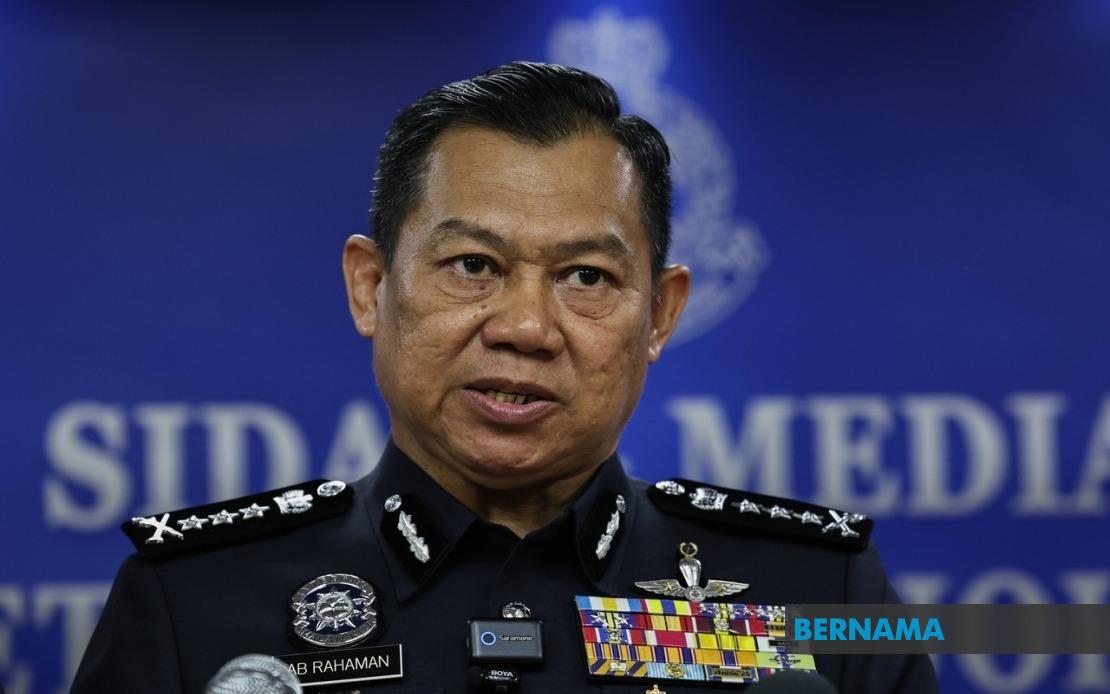
Johor police chief Datuk Ab Rahaman Arsad provided the approval figures in a public statement, offering an interim assessment of the electoral administration during the crucial pre-polling phase. The final two days of the reporting period, July 7 and 8, witnessed particularly intense activity, with 884 applications submitted in that window alone. Of these, 838 received approval—a rate of approximately 95 percent—suggesting that the submission process had become more refined as campaigners and party organisers grew familiar with the requirements. The concentration of applications towards the end of the period hints at either administrative delays or a late surge in campaign planning among some contenders.
The approval process reflects broader electoral management concerns extending beyond mere paperwork. Police have positioned their permit system as a mechanism for maintaining public safety and social harmony during what is inherently a politically charged period. By requiring formal authorisation for campaign activities, authorities can monitor where and when political gatherings occur, assess potential crowd management needs, and ensure that organisers have made adequate arrangements for security and traffic. This regulatory framework, while standard across Malaysian elections, carries particular significance in Johor given the state's political importance and the competitive nature of the 16th election.
However, the administrative process has not been entirely frictionless. Between June 27 and July 8, police received 73 reports related to various election offences, a figure suggesting that campaign conduct remained a persistent concern for law enforcement. More troublingly, officers opened 22 investigation papers into suspected violations, indicating that some political actors or their supporters may have crossed legal boundaries despite the elevated official scrutiny. These investigations span multiple statutes, reflecting the diverse ways in which electoral regulations can be breached and the broad enforcement toolkit available to police.
The nature of the investigations reveals specific problem areas during the campaign period. One investigation was initiated under Section 4A(1) of the Election Offences Act 1954, which criminalises attempts to promote ill will or hostility—offences that historically have been used against candidates or party members accused of making inflammatory statements designed to incite communal tensions or undermine public order. Another investigation involved allegations of defamation under Section 500 of the Penal Code combined with potential breaches of the Communications and Multimedia Act 1998, suggesting that digital platforms or social media were vectors for spreading allegedly false information about political opponents. This dual legal avenue reflects modern electoral challenges, where online speech can simultaneously constitute criminal defamation and breach telecommunications regulations.
Two additional investigations targeted property damage, with suspected violations of Section 427 of the Penal Code. This category encompasses the destruction or defacement of campaign materials, vandalism of political billboards, or damage to vehicles and premises belonging to candidates or parties. Such offences, while seemingly minor in isolation, can escalate tensions between competing camps and undermine the dignified conduct of elections. The fact that police opened separate investigation papers for such incidents indicates a commitment to addressing even lower-level misconduct, though it also raises questions about resource allocation during an election period.
Datuk Ab Rahaman's statement emphasised that all political activities have been subject to continuous police monitoring to ensure compliance with applicable law and to protect security and public order. This surveillance approach is standard practice during Malaysian elections, where law enforcement agencies maintain heightened vigilance to prevent violence, intimidation, and other forms of electoral misconduct. The statement carries an implicit message to campaigners and supporters: activities falling outside legal bounds will be identified and prosecuted without favour. The reference to enforcement being conducted "fairly and with integrity, without compromise" attempts to project an image of non-partisan policing, though such declarations have occasionally been viewed with scepticism by political opponents who question whether law enforcement treats all camps equally.
For Malaysian observers and regional analysts, the Johor election administration offers insights into how the country's electoral machinery functions during high-stakes contests. The high approval rate for permits suggests that the police permit system, while potentially burdensome, is largely administratively manageable and does not appear to systematically obstruct any particular political faction. The 315 rejected applications represent less than 8 percent of submissions, implying that most aspirants to campaign are able to navigate the requirements successfully. Conversely, the 22 investigation papers opened within a 12-day window indicate that campaign conduct violations, while not epidemic, do occur with sufficient frequency to demand law enforcement attention.
The Johor election assumes significance beyond the state's borders. As Malaysia's second-largest state by population and a traditional stronghold for both major coalitions, election outcomes here often reverberate through national politics. The smooth administration of the permit process and the measured handling of violations thus carry implications for how subsequent electoral contests might be managed. If authorities maintain this balance—approving legitimate campaign activities while investigating genuine breaches—the election could be regarded as a credible demonstration of electoral administration. Conversely, if investigations later appear selective or if enforcement seems to target particular groups disproportionately, questions about impartiality may emerge.
The figures released by Johor police offer a snapshot of election administration at a discrete moment, providing reassurance that the machinery of democratic competition was functioning without apparent systemic crisis. The high approval rate for permits permits political actors considerable freedom to campaign, while the investigation of violations demonstrates that such freedom operates within legal boundaries. Whether these boundaries are applied consistently and fairly across all political camps remains a matter for broader electoral observation and public scrutiny as the campaign progresses and subsequently concludes.

