Police in the Indonesian capital have made an arrest following a bomb threat that forced the closure and evacuation of a state elementary school in South Jakarta on Monday, the opening day of the academic year. The 34-year-old suspect, identified by the initials MY, was apprehended near SD Srengseng Sawah 15 Pagi in Jagakarsa hours after sending a threatening WhatsApp message that claimed explosives had been planted at eleven locations throughout the school compound.
According to Greater Jakarta Police spokesperson Sr. Comr. Budi Hermanto, the suspect, a resident living in the vicinity of the school, was taken into custody and transferred to South Jakarta Police headquarters for questioning. Investigators are examining the circumstances surrounding the threat and attempting to establish what motivated the suspect to send the message. The case highlights ongoing concerns about school safety during critical periods such as the start of the academic calendar, when institutions are particularly vulnerable to disruption.
The threatening message was distributed via WhatsApp to teachers and school administrative personnel while students were assembled for a flag-raising ceremony that traditionally marks the beginning of the school day. Once recipients reported the communication, school authorities immediately implemented evacuation protocols, moving students and staff away from the building to secure locations. The swift response by school management prevented potential panic and ensured the safety of the approximately 300 pupils enrolled at the institution.
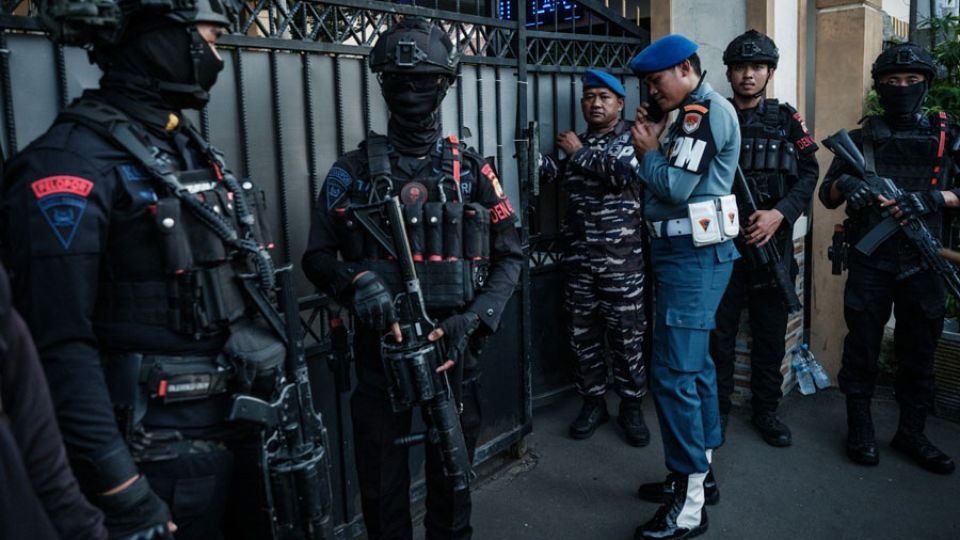
Following the evacuation order, police deployed specialised units to conduct a comprehensive search of the school grounds. The Gegana bomb disposal team, responsible for handling suspected explosive devices, worked alongside Densus 88, Indonesia's elite counterterrorism unit, to systematically examine all eleven locations mentioned in the threat. Despite thorough investigations throughout the complex, including classrooms, administrative offices, and outdoor areas, no explosives or suspicious devices were discovered. The negative results suggested the threat was a false alarm, though this did not diminish the seriousness with which authorities treated the matter.
Jagarkarsa Police chief Comr. Nurma Dewi explained that the decision to involve heavy-handed security responses was standard protocol for such threats in Indonesia, where schools have become increasingly security-conscious following historical incidents. The presence of armed bomb disposal experts and counterterrorism operatives, while creating a dramatic scene outside the school gates, served to reassure the school community that the threat was being addressed with appropriate urgency and professional expertise.
The incident occurred at a particularly sensitive moment in the Indonesian school calendar. The first day of the academic year typically draws significant attention from parents, media, and education officials as schools reopen after the holiday period. For SD Srengseng Sawah 15 Pagi, what should have been a celebratory occasion marking fresh starts for students and teachers instead became a disrupted day filled with uncertainty and security concerns. The disruption particularly affected younger pupils who may have struggled to understand why they were being evacuated from school on their very first day.
While details about the suspect's background and potential motivations remain under investigation, the incident raises broader questions about school security across Indonesia's metropolitan areas. Jakarta, as the nation's largest city and administrative centre, faces particular challenges in protecting educational institutions. Schools must balance the need for comprehensive safety measures with creating an environment conducive to learning and development. Sudden threats like this one, whether genuine or hoax, consume significant police resources and create lasting anxiety among students and parents.
The use of social media platforms such as WhatsApp to distribute threats represents a modern challenge for law enforcement. The messaging application's widespread adoption has made it a convenient channel for communication but also for spreading false information and threats. Police have increasingly focused on tracking the origins of such messages, which can be particularly difficult when suspects use shared or public networks. The relatively quick apprehension in this case suggests either strong circumstantial evidence or assistance from telecommunications providers in identifying the source.
For parents in South Jakarta's Jagakarsa district, the incident will likely intensify discussions about school selection and safety protocols. While no explosives were found and the threat appears to have been unsubstantiated, the mere possibility was sufficient to disrupt the educational process and cause considerable alarm. Schools may now face pressure to implement additional security measures, such as enhanced access controls, staff training on threat response, and improved communication systems to alert parents quickly during emergencies.
The broader implications of such hoax threats in Indonesian education deserve consideration. False alarms consume police and bomb disposal resources that might otherwise be deployed elsewhere, and they create a climate of fear that can affect children's willingness to attend school. Investigators will need to determine whether the suspect acted out of malice, sought attention, or had other grievances with the institution. The severity of charges and penalties will likely depend on whether the individual made a conscious decision to create panic or acted impulsively without fully comprehending the consequences.

