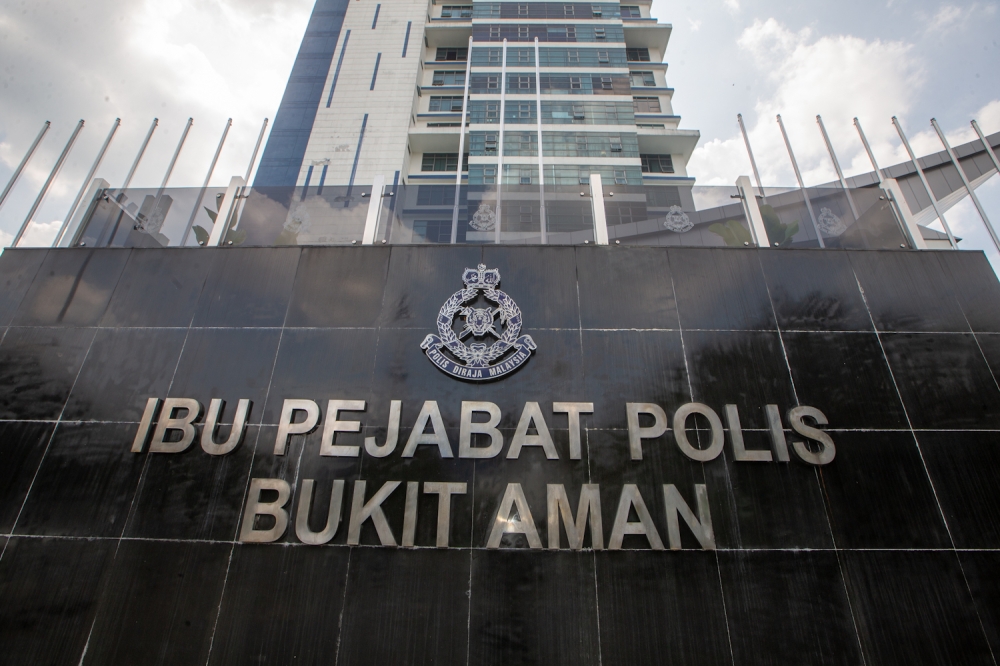
The Royal Malaysia Police headquarters at Bukit Aman confirmed on August 1st that it is awaiting formal paperwork and particulars from Indonesian law enforcement agencies regarding the arrest of a Malaysian pilot at Jakarta's main airport. The development underscores the delicate procedural requirements that must be satisfied when foreign nationals face criminal charges overseas, particularly in cases involving controlled substances where both nations maintain strict prohibitionist stances.
The detained pilot, whose identity has not been publicly disclosed, was apprehended at Soekarno-Hatta International Airport with drugs in his possession. The specific substance and quantity involved were not detailed in official statements, though Indonesian customs and airport security protocols are among the region's most stringent. The arrest triggered immediate notification channels between Jakarta and Kuala Lumpur, reflecting established diplomatic procedures for cases involving nationals of either country committing alleged offences on foreign soil.
Bukit Aman's posture in the matter demonstrates the measured approach adopted by Malaysian police when citizens encounter the criminal justice systems of neighbouring countries. Rather than attempting direct intervention, the force is operating through formal inter-agency channels with Indonesian counterparts at the National Police and relevant federal authorities. This approach respects Indonesian sovereignty while preserving Malaysia's ability to monitor the case and provide consular assistance if required.
The case occurs against a backdrop of escalating drug trafficking concerns across Southeast Asia, a region that has become increasingly central to transnational narcotics movements. Commercial aviation personnel occupy a particular vulnerability within law enforcement frameworks, given their mobility across borders, access to airport facilities, and the considerable financial incentives that trafficking syndicates dangle before employees willing to courier substances. Malaysian carriers operate extensive networks throughout Asia, creating multiple points where contraband could theoretically be introduced into supply chains.
Indonesia's approach to drug offences is notably harsh compared to many regional peers. Conviction for trafficking or possession with intent to distribute can carry sentences extending to decades of imprisonment, and in the most severe cases, capital punishment. This severity has made Indonesian airports a focal point for international drug enforcement attention, with joint taskforces and intelligence sharing becoming standard practice among aviation security bodies throughout the region. The Jakarta airport detention of a Malaysian national inevitably draws scrutiny from both capitals and from regional aviation regulatory bodies.
The procedural lag in acquiring formal documentation from Indonesian authorities is entirely typical in such circumstances. Arrest reports, initial investigation findings, toxicology results, and prosecutorial assessments must be compiled and forwarded through official channels rather than informal communications. This bureaucratic sequencing, while sometimes frustrating to outside observers, serves as a safeguard against premature disclosures that could prejudice investigations or trials. Malaysian police cannot reasonably expect comprehensive case files immediately; the Indonesian process may require several weeks or months to generate complete documentation suitable for sharing.
Consular protection represents another dimension of Malaysia's involvement in this matter. The foreign ministry would ordinarily engage with its Indonesian counterpart to ensure that the detained pilot receives appropriate legal representation, is treated humanely in detention, and has access to communication with family members. Malaysia maintains a consulate general in Jakarta, staffed with officials trained in handling such contingencies. These consular officers can observe conditions of detention and monitor adherence to international conventions governing the treatment of foreign nationals in custody.
The case also reflects broader patterns in contemporary aviation security. Ground staff, flight crew, and other airport workers have periodically been recruited by trafficking organisations precisely because their professional positions grant them knowledge of security gaps and access to restricted areas. Enhanced vetting of aviation personnel, random screening protocols, and coordination between airline human resources departments and law enforcement agencies have become standard precautions throughout the region. This particular incident will likely prompt Malaysian carriers to review their own internal security frameworks and employee screening procedures.
From a regional perspective, the arrest illustrates the interconnected nature of Southeast Asian law enforcement and the necessity for functional bilateral relationships across border control agencies. Malaysia and Indonesia, despite occasional political tensions, maintain pragmatic operational cooperation on matters of mutual security concern. Drug trafficking, terrorism, human trafficking, and transnational organised crime all transcend national boundaries and demand coordinated responses. The professionalism with which both nations approach such cases sets important precedents for stability within the region.
The timeline for resolution remains uncertain. Initial detention periods typically extend several weeks while investigations proceed, after which prosecutors must decide whether to file formal charges. If prosecution proceeds, trial proceedings could extend over many months. Throughout this period, Bukit Aman's role will remain largely reactive—awaiting information, coordinating with consular officials, and ensuring that appropriate legal channels are observed. The force's public statement, though relatively spare in detail, signals that Malaysian authorities are engaged and monitoring the situation without attempting to influence Indonesian judicial proceedings.

