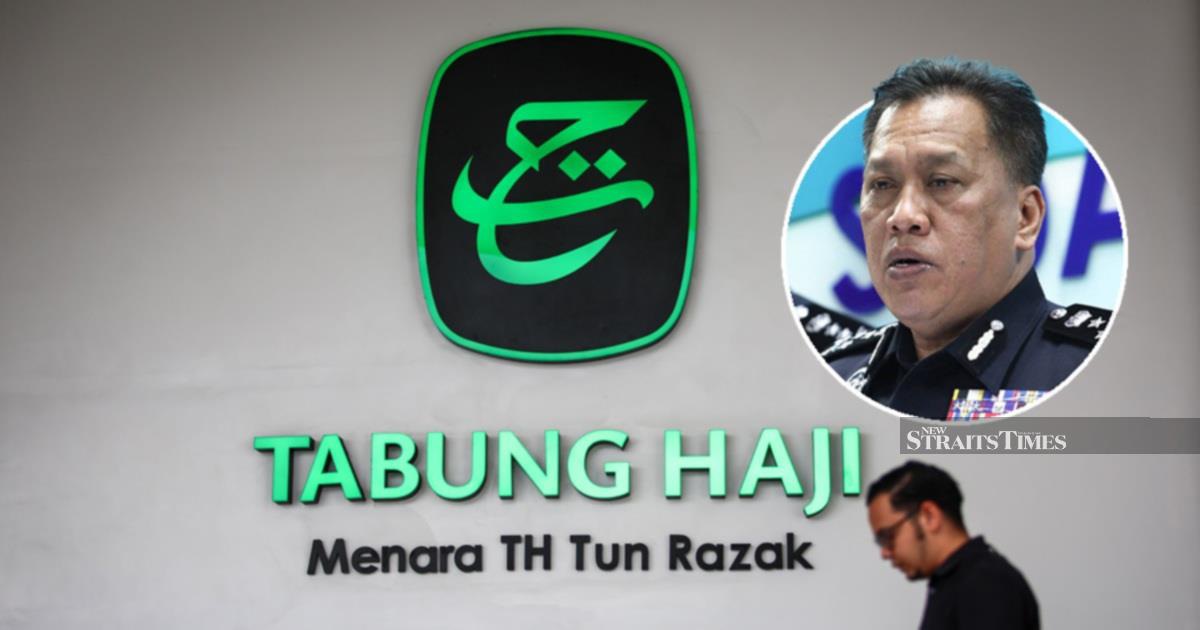
Police have substantially widened their investigative net in the Lembaga Tabung Haji (TH) inquiry, recording formal statements from 134 witnesses as they pursue allegations uncovered during the Royal Commission of Inquiry's probe. The figure, which includes a fresh batch of 10 recently summoned witnesses, reflects the expanding scope of a criminal investigation that traces its origins to the damaging findings laid bare in the RCI report on Malaysia's primary Islamic pilgrimage savings institution.
The Tabung Haji affair has emerged as one of the country's most significant governance failures in recent memory, implicating Malaysia's management of a fund that serves millions of Muslims saving for the hajj pilgrimage. With pilgrims' life savings at stake, the investigation carries profound implications not only for individual depositors but for public confidence in state-backed financial institutions more broadly. The decision to call in additional witnesses signals that investigators believe further evidence relevant to potential criminal charges remains to be documented and tested.
The RCI's investigation into Tabung Haji had exposed serious lapses in financial stewardship, governance protocols, and oversight mechanisms. Its findings painted a picture of an institution that strayed significantly from its core mandate, undertaking risky investments and making decisions that ultimately eroded the value of depositors' funds. These revelations triggered public outcry and demands for accountability, necessitating the police's systematic approach to converting the RCI's civil findings into potential criminal proceedings that could result in prosecutions.
The 134 witness statements represent a comprehensive documentation process designed to establish timelines, responsibilities, and decision-making chains within the organization. Police investigators typically use such testimony gathering to corroborate documentary evidence, identify contradictions that might point toward culpability, and establish patterns of conduct that could constitute criminal misconduct. Each witness account adds layers of detail that may eventually support charges ranging from breach of fiduciary duty to misappropriation of funds.
Malaysia's approach of deploying both the RCI mechanism and subsequent criminal investigation reflects international best practice in addressing large-scale institutional failures. The RCI typically operates outside the criminal justice system, uncovering facts and making recommendations, while police focus specifically on gathering evidence of criminal wrongdoing. This dual process ensures that findings are comprehensively documented while preserving the integrity of any eventual prosecution.
For Malaysian investors and depositors who have watched their Tabung Haji balances fluctuate, the witness-gathering phase signals movement toward potential accountability. Many pilgrims who entrusted their earnings to the fund over decades now face uncertainties about fund values and recovery prospects. The investigation's progression toward identifying responsible parties offers at least the prospect of consequences for decision-makers whose actions contributed to financial losses.
The recent addition of 10 new witnesses suggests investigators may have identified gaps in their initial statements or uncovered new lines of inquiry requiring clarification. This iterative approach is common in complex financial crime investigations, where new evidence frequently points toward individuals or aspects previously overlooked. The pattern indicates police are methodically building their case rather than rushing toward premature conclusions.
The investigation's scope and intensity also reflect pressure from Malaysian civil society and political stakeholders demanding answers about how a major financial institution could accumulate such severe problems. Public attention to the Tabung Haji case has sustained political consequences for leadership, making criminal accountability a matter of significant public interest beyond the formal justice system's role.
From a regional perspective, Malaysia's handling of the Tabung Haji crisis offers lessons for other Southeast Asian nations managing state-linked institutions. The combination of RCI investigation and criminal police action demonstrates the importance of institutional checks and transparent governance. Other countries with similar faith-based or purpose-specific savings funds will likely monitor Malaysia's accountability process as they consider their own institutional oversight frameworks.
The witness statement compilation also serves a gatekeeping function in determining whether evidence will support formal charges. Police must assess whether testimony, combined with documentary evidence, establishes each element of potential offences beyond reasonable doubt. The 134 statements provide the evidentiary foundation upon which prosecutors will ultimately decide whether sufficient grounds exist to charge individuals formally.
As the investigation continues, the criminal justice process remains separate from any civil or administrative remedies available to wronged depositors. Tabung Haji customers may pursue separate legal avenues to recover losses, though the criminal investigation's findings could inform or support such actions. The interplay between these parallel processes will shape the overall accountability landscape for the institution's failures.
The police investigation represents the operational translation of RCI findings into potential criminal consequences. With 134 witness statements now on record, investigators have assembled a substantial evidentiary foundation. The addition of new witnesses suggests the inquiry remains active and that further developments may yet emerge before police conclude their investigation and forward recommendations to prosecutors for charging decisions.

