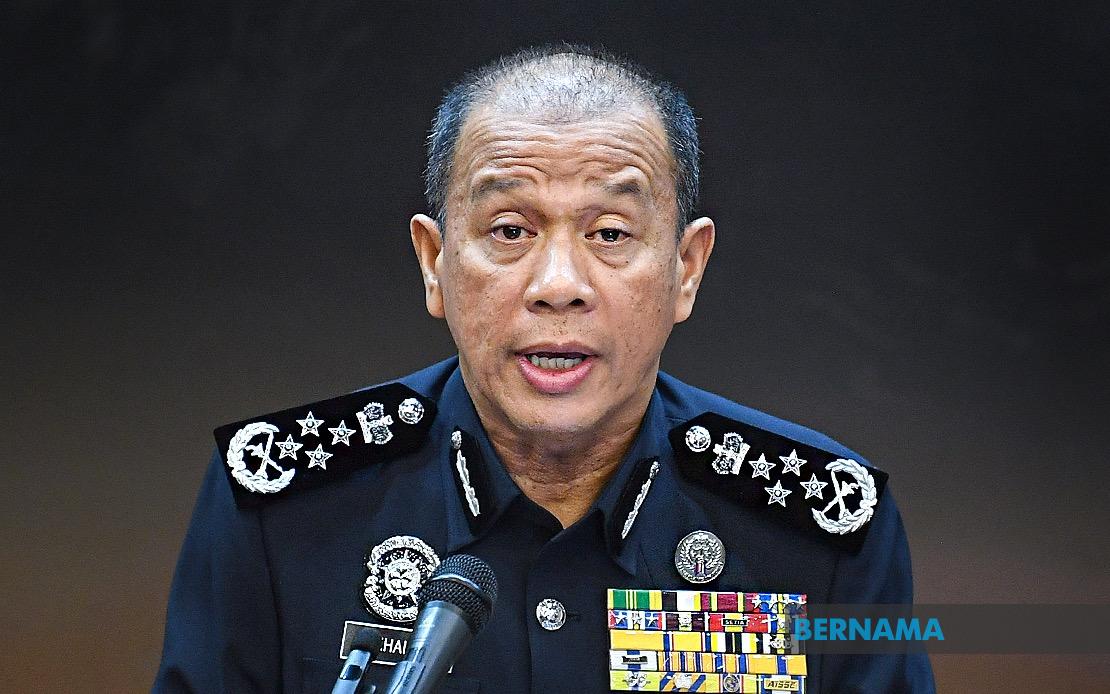
The Royal Malaysia Police has expressed strong backing for the government's initiative to overhaul how members of the security forces and Malaysian Armed Forces advance their careers, with Inspector-General Tan Sri Mohd Khalid Ismail characterising the reform as a long-overdue acknowledgement of personnel who shoulder the burden of protecting public safety. The announcement, made during a Semarak Kenegaraan programme at Terendak Camp, signals a significant shift in how Malaysia's frontline defenders will navigate their professional trajectories.
According to Mohd Khalid's statement, the decision to reshape the promotion framework represents more than bureaucratic tinkering—it embodies the government's tangible commitment to those working within the national security apparatus. The PDRM chief noted that officers and personnel across both the police and armed forces have long awaited such improvements, suggesting that frustrations with the existing promotion bottlenecks have been accumulating among the ranks. His appreciation extended specifically to Prime Minister Datuk Seri Anwar Ibrahim, who championed the initiative as part of the government's broader agenda to strengthen institutional capacity within security organisations.
The government has agreed in principle to eliminate unnecessary administrative procedures that have historically slowed advancement decisions, bringing the promotion system into alignment with standards already applied across Malaysia's wider civil service. This alignment is strategically significant because it removes a longstanding disparity—security personnel will no longer operate under a distinct framework that is comparatively more rigid or opaque than pathways available to civilian government workers. The streamlining effort addresses a perennial source of institutional tension and talent retention challenges within both the PDRM and MAF.
Prime Minister Anwar signalled that complete details of the new mechanism will be unveiled during the Ambang Merdeka celebration scheduled for August 30 at Stadium Merdeka in Kuala Lumpur. This timing is deliberate, positioning the announcement as part of Malaysia's independence anniversary commemorations and underscoring that institutional modernisation forms part of the nation-building agenda. The delay between the initial announcement and full rollout details gives both organisations time to prepare internal systems and communicate with personnel about what changes will mean in practical terms.
Mohd Khalid emphasised that the PDRM stands ready to cooperate fully in implementing the revised system once specifications become available. This readiness signals confidence within police leadership that the changes will benefit the organisation's operational effectiveness and personnel morale. The Inspector-General framed the reform within a broader context of organisational values—he suggested that streamlined career advancement will reinforce commitment to integrity, professionalism, and service quality among officers navigating their careers within the force.
From a retention and recruitment perspective, the initiative addresses a critical institutional challenge. When career progression becomes protracted or opaque, organisations struggle to retain talented personnel who may seek advancement opportunities elsewhere. Police and military forces across Southeast Asia have grappled with similar issues, where bureaucratic promotion systems inadvertently push capable officers toward private sector opportunities or international postings. Malaysia's reform acknowledges that competitive compensation and clear advancement pathways are essential for maintaining professional standards.
The psychological dimension of this reform should not be underestimated. Morale within security forces correlates directly with operational effectiveness—officers who feel valued and see genuine prospects for advancement invest greater energy in professional development and institutional loyalty. By publicly framing this change as recognition of security personnel's contributions, the government simultaneously delivers tangible policy reform and symbolic affirmation that frontline workers matter to national decision-makers.
The alignment with broader civil service standards also carries administrative advantages. Standardised promotion criteria and timelines reduce inconsistencies that currently exist between different security organisations and civilian agencies. This uniformity should theoretically make the system more transparent, reducing perceptions of nepotism or arbitrary decision-making that can undermine morale in hierarchical organisations like police and military services.
For the PDRM specifically, these changes arrive amid ongoing institutional challenges including recruitment difficulties, public trust concerns, and demands for operational modernisation. A revitalised career pathway may help the force attract higher-calibre recruits and retain experienced personnel who might otherwise seek opportunities overseas or in private security sectors. The timing of the announcement also suggests coordination with broader governance priorities, potentially indicating that police reform and modernisation are receiving sustained political attention.
The security sector's integration of this reform into the wider government modernisation agenda reflects recognition that institutional strength depends partly on personnel management practices. Countries that successfully reform security organisations typically combine operational improvements with personnel-focused initiatives like career pathway clarification. Malaysia's approach appears to acknowledge this interdependency, treating promotion reform not as a standalone gesture but as a foundational element of institutional strengthening.
Regional context matters as well—Southeast Asian nations increasingly compete for skilled security professionals. Countries that offer clearer career trajectories and better advancement prospects gain competitive advantage in attracting and retaining talent. Malaysia's move positions it more favourably relative to neighbouring countries that maintain more opaque or restrictive promotion systems within their security forces.
The remaining question concerns implementation fidelity. Policy announcements require careful execution to deliver promised benefits. How efficiently the new system will process promotions, whether criteria will genuinely become more transparent, and whether advancement decisions will accelerate meaningfully will determine whether this reform lives up to personnel expectations and institutional promises. Success will require sustained commitment from both political leadership and security force management to resist reverting to familiar bureaucratic patterns once initial enthusiasm wanes.

