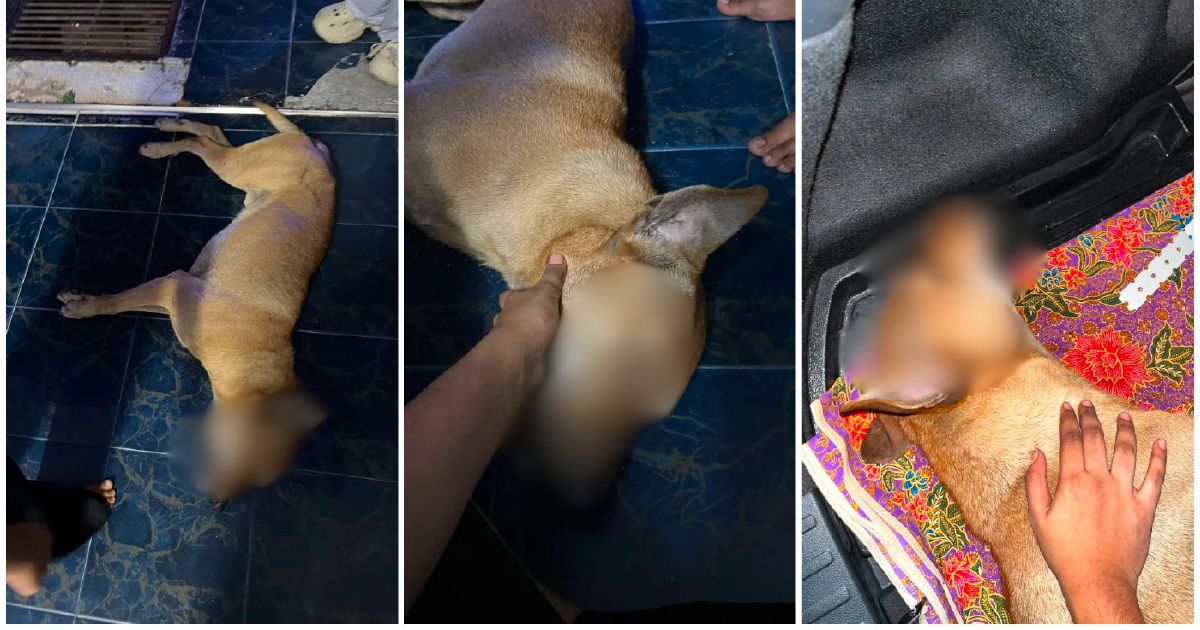
Shah Alam police have formally initiated an investigation into the circumstances surrounding the death of a dog during a routine stray animal capture operation in Port Klang. The incident, which unfolded in the residential area of Taman Teluk Gedung Indah, has prompted authorities to examine whether animal cruelty laws were violated during the operation. The opening of an investigation paper represents an official recognition of public concerns and suggests the matter warrants formal scrutiny by law enforcement.
The death of the animal during what should have been a controlled stray management operation has raised questions about operational procedures and safety protocols employed during such roundups. Stray dog capture initiatives are routine elements of municipal management across Malaysia, particularly in urban and semi-urban areas where loose animals pose potential risks to public health and safety. However, incidents resulting in animal fatalities have increasingly drawn scrutiny from animal welfare advocates and residents, highlighting the tension between pest control objectives and animal protection standards.
Taman Teluk Gedung Indah, located within Port Klang's jurisdiction, is a residential community where such incidents directly impact community perceptions of local government efficiency and compassion. The neighbourhood's population has evidently mobilised to voice their concerns, demonstrating growing public awareness of animal rights issues among Malaysian residents. This response reflects a broader shift in Malaysian society toward greater consideration for animal welfare, particularly in urban contexts where pets and stray animals coexist within populated neighbourhoods.
The investigation will likely examine multiple dimensions of the incident, including the specific methods employed during capture, the training and conduct of personnel involved, and whether standard operating procedures were properly followed. Malaysian police investigations into animal-related incidents typically coordinate with local authorities responsible for stray management, as well as veterinary professionals who can provide expert assessment of the circumstances. The quality of inter-agency cooperation during such inquiries often determines whether systemic improvements result from individual incidents.
Animal cruelty allegations carry significant weight in Malaysian law, where the Animal Welfare Act and related legislation establish clear standards for the treatment of animals during capture and handling operations. Personnel conducting stray roundups are expected to minimise stress and injury to captured animals, and any deviation from humane standards constitutes a potential violation. The investigation will need to determine whether standard procedures were compromised and whether training deficiencies played a role in the outcome.
The incident serves as a timely reminder that stray management, while necessary for public health, must be conducted with appropriate safeguards and oversight. Many municipalities across Southeast Asia have introduced improved protocols for animal capture, including requiring handlers to undergo humane handling certification and mandating veterinary oversight during operations. Malaysia's various local authorities operate with differing levels of resources and standardisation, which can create inconsistencies in how such operations are conducted across the country.
Public pressure generated by incidents like this has historically catalysed improvements in animal welfare standards within municipal operations. When communities witness or learn of questionable practices during routine government functions, the resulting media attention and formal investigations frequently lead to revised procedures and enhanced training requirements. This accountability mechanism, powered by engaged citizens and responsive law enforcement, represents an important check on operational conduct in local government.
The investigation's outcome will likely influence how Port Klang and other Selangor municipalities approach future stray management operations. Should findings indicate procedural breaches or inadequate training, authorities may face pressure to implement corrective measures, potentially including retraining of personnel, equipment upgrades, or enhanced veterinary supervision during capture operations. Conversely, a finding of proper procedure followed during an unavoidable incident would address public concerns while maintaining operational continuity.
For residents in Port Klang and similar communities, the investigation represents an opportunity for meaningful dialogue between local government and citizens about acceptable standards for animal handling. Many Malaysian neighbourhoods have successfully implemented community-based approaches to stray management, including trap-neuter-return programmes and adoption initiatives, which reduce the need for capture operations altogether. The Port Klang incident might prompt stakeholders to explore whether such alternatives could better serve the community's interests while addressing animal welfare concerns.
The broader implications of this investigation extend to how Malaysian authorities balance competing interests in urban management. Public health and safety require attention to stray animal populations, yet increasingly, Malaysians expect this to occur in ways consistent with modern animal welfare standards. Police inquiries into such matters signal governmental acknowledgement that animal protection remains a legitimate public concern warranting official attention and investigation. As Malaysia develops economically and socially, standards for how government agencies interact with animals will likely continue evolving, reflecting changing community values and international best practices.

