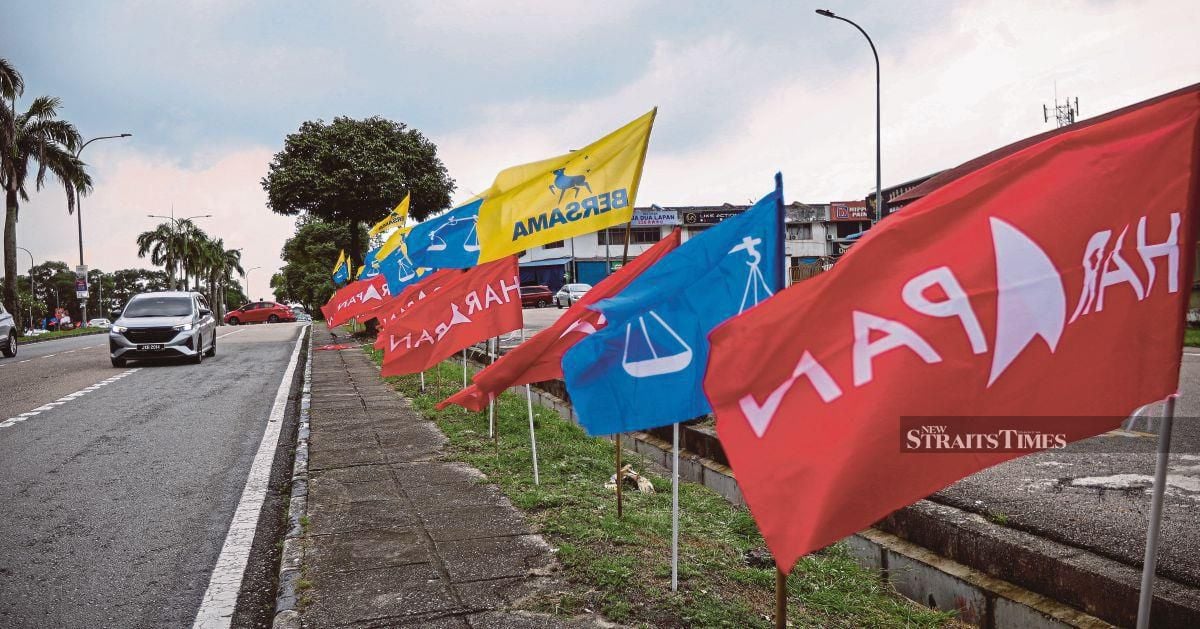
Law enforcement authorities in Johor have moved to investigate a string of alleged violations of election law uncovered during the intense campaign period for the 16th Johor state election. Police have converted 56 separate reports filed by members of the public and officials into 18 formal investigation papers, signalling the scale of electoral misconduct concerns that emerged as candidates and political parties competed for voter support across the southern state.
The investigation period covers the entire campaign window, which ran from 27 July through to the day before polling. This extended campaign period, which typically stretches several weeks, saw heightened political activity across Johor as major parties deployed resources and personnel to secure electoral victory. The volume of reports received suggests that election observers, candidates, party representatives, and voters were vigilant in monitoring conduct on the ground, with concerns being escalated to police for formal examination.
Election offences in Malaysia encompass a broad range of prohibited conduct. These include bribery of voters, treating—the provision of money or goods to influence voting—intimidation of electors, fraudulent nominations, improper use of government resources for campaigning, and dissemination of false information designed to affect electoral outcomes. The opening of 18 investigation papers indicates that alleged breaches were serious enough to warrant formal police action rather than being dismissed or resolved informally.
The ratio of reports to investigation papers—56 to 18—suggests that police exercised discretionary screening, accepting some complaints as meeting threshold criteria for investigation while determining that others lacked sufficient supporting evidence or merit. This filtering process is standard in Malaysian police operations and reflects resource constraints as well as evidentiary standards. Some reports may have contained insufficient detail, been duplicative, or involved matters deemed outside police jurisdiction.
The Johor election represents a significant political contest within Malaysia's federal system. As one of the country's most populous states with substantial economic importance, electoral outcomes in Johor carry implications for national politics and governance. The presence of multiple investigation papers relating to election law breaches underscores the competitive intensity of the campaign and the willingness of various actors to lodge complaints when they believed rules had been violated.
Election integrity has been a focal concern in Malaysia following previous polling cycles that attracted scrutiny regarding campaign conduct and electoral procedures. The Malaysian electoral framework, administered by the Election Commission, establishes detailed regulations intended to ensure fair competition and prevent the abuse of state machinery or financial resources to skew outcomes in favour of particular candidates. Police investigation of alleged breaches forms part of the enforcement architecture supporting these regulatory provisions.
The investigation outcomes remain pending, and formal conclusions cannot be drawn until police complete their inquiries and submit findings to prosecutors. Some investigations may result in criminal charges, others may be closed without further action, and some may lead to administrative findings without prosecution. The time required for police investigation varies depending on complexity, the availability of witnesses, and the nature of the alleged conduct involved.
For Malaysian voters and political observers, the initiation of these investigations carries broader implications about the electoral process's credibility. Public confidence in fair elections depends partly on visible enforcement of rules prohibiting misconduct. When violations are reported and investigated, it signals that authorities take electoral integrity seriously and are prepared to scrutinise alleged breaches across the political spectrum rather than turning a blind eye to violations.
The Johor election campaign occurred within Malaysia's competitive two-party system framework, featuring the ruling Barisan Nasional coalition, opposition coalitions including PKR and Democratic Action Party-aligned groups, and other contenders. The distribution of alleged offences across different political entities, once investigations are concluded, will provide insight into whether compliance problems were isolated incidents or reflective of systemic issues within particular parties or candidate operations.
Police have not yet released details regarding the specific nature of the 18 investigation papers or the alleged offences involved. Whether matters involve allegations against candidates, party workers, or third parties remains undisclosed at this stage. Similarly, the geographic distribution of alleged violations across Johor's parliamentary and state constituencies has not been outlined publicly.
Moving forward, the conclusion of these investigations will likely inform Election Commission and political party discussions about enforcement and compliance for future contests. Malaysian electoral regulations continue to evolve as authorities seek to balance openness to robust political competition with protections against actual misconduct that undermines fair elections. The Johor findings may contribute to evidence-based discussions about whether existing rules adequately address identified problems or whether amendments to regulations or enforcement procedures warrant consideration.

