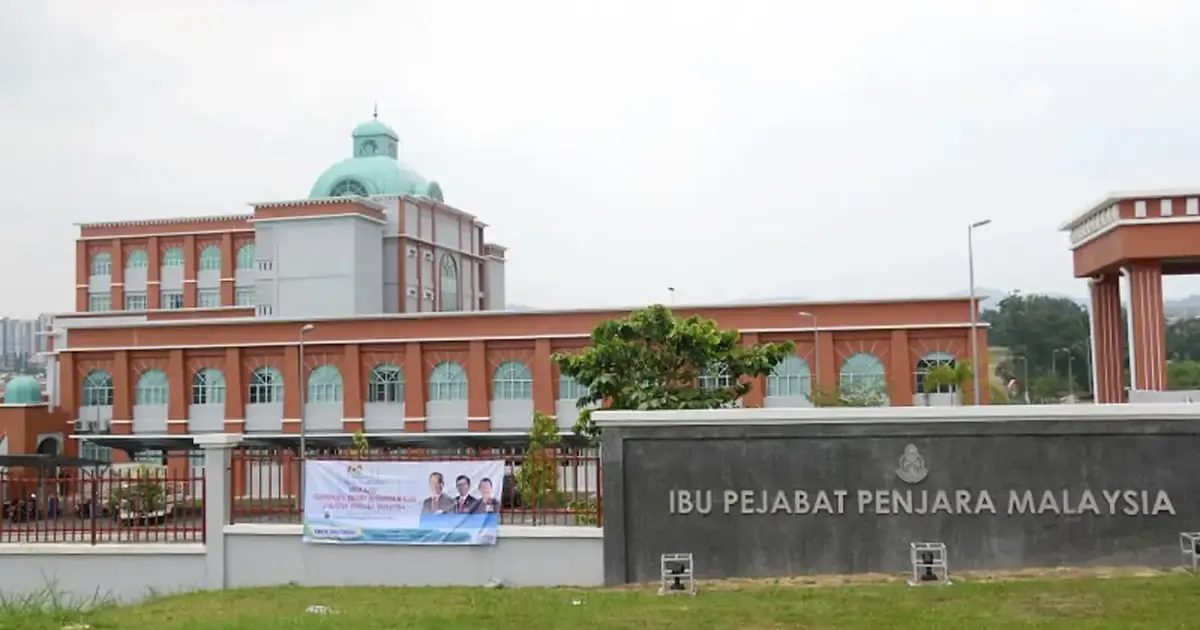
Authorities have initiated a formal investigation into the circumstances surrounding a death that occurred within the custody system, prompted by serious allegations of abuse levelled by Suaram, a prominent Malaysian human rights watchdog. The development underscores persistent concerns about conditions and practices within the country's correctional facilities, issues that have periodically drawn international scrutiny and domestic criticism from civil society organisations.
Suaram, which has long served as an independent monitor of human rights compliance in Malaysia, brought forward the allegations that prompted the police probe. The organisation has historically documented cases involving detainees and raised concerns about potential violations of fundamental rights during periods of state detention. Such investigations represent an important mechanism for accountability, though questions frequently arise about the thoroughness and independence of inquiries conducted into matters involving government institutions.
The prisons department has positioned itself as a willing participant in the investigative process, issuing a public statement affirming its full cooperation with law enforcement authorities. This declaration of openness to scrutiny is intended to reassure both the families of those affected and the broader public that institutional accountability mechanisms are functioning. However, observers note that statements of cooperation must ultimately be measured against the transparency and concrete findings of the actual investigation.
The case highlights an ongoing tension in Malaysia's criminal justice system between security imperatives and human rights protections. In-custody deaths and abuse allegations represent matters of significant legal and moral consequence, as they touch upon the state's duty of care toward individuals placed in its custody. Such incidents can occur across various detention environments, including police stations, lock-ups, and correctional facilities, each operating under distinct regulatory frameworks yet sharing fundamental obligations regarding the dignity and safety of detainees.
For Malaysian civil society, the incident provides a test case for how seriously authorities take independent oversight and accountability. Suaram's role in bringing forward the allegations demonstrates the continuing importance of non-governmental monitoring, particularly in areas where transparency may otherwise be limited. The organisation operates within a regulatory environment that has sometimes constrained its operations, making its investigative work particularly significant when serious allegations emerge.
The investigation itself will likely examine critical questions about the circumstances leading to the death, the adequacy of medical attention provided, whether proper protocols were followed during detention, and whether any actions or omissions by officials contributed to the fatal outcome. Such inquiries typically require cooperation between multiple stakeholders, including law enforcement, prison authorities, medical personnel, and independent experts who can assess evidence and procedures.
International bodies monitoring human rights in Southeast Asia have periodically expressed concern about custodial practices across the region. Malaysia, as a nation that has committed to various international human rights conventions, maintains obligations to ensure that persons in state custody are protected from harm and treated humanely. Deaths in custody, if they result from negligence, abuse, or violations of established protocols, represent serious breaches of these obligations and can trigger both domestic and international accountability mechanisms.
The families of those affected by in-custody deaths frequently face substantial challenges in obtaining meaningful justice and answers. Even when investigations are conducted, questions may persist about whether outcomes adequately address the root causes or whether systemic improvements are implemented to prevent similar incidents. This is particularly the case when investigations involve institutions investigating themselves, a structural reality that can understandably generate scepticism despite formal cooperation.
For Malaysia's prisons system specifically, the investigation occurs against a backdrop of broader questions about overcrowding, resource constraints, and staff training. Correctional facilities across the country have faced documented challenges, with civil society organisations regularly raising concerns about conditions. These contextual factors can be relevant to understanding how deaths or abuses occur, though they do not diminish institutional responsibility for protecting the welfare of those in custody.
Moving forward, Malaysian stakeholders will be watching closely how this investigation unfolds and what recommendations, if any, emerge to strengthen safeguards and accountability mechanisms. The transparency with which findings are communicated and the willingness of authorities to implement systemic improvements will signal whether in-custody death investigations lead to meaningful institutional change. For a nation seeking to strengthen its human rights reputation in the region, how such cases are handled matters considerably.

