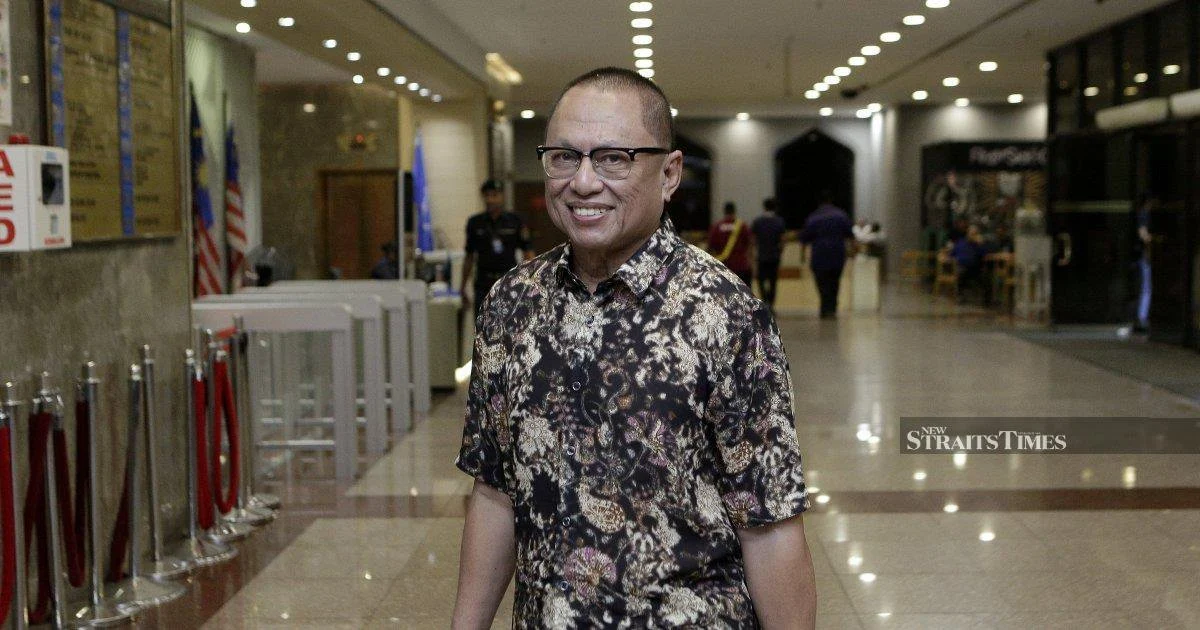
Police have opened a formal investigation into alleged statements made by former Umno veteran Datuk Dr Mohd Puad Zarkashi on social media, following a surge of reports lodged against him across the nation. The decision to probe his remarks comes after 153 police reports were filed in a single day, signalling widespread public concern over the content he is accused of sharing online. The investigation marks a significant development in what has become an increasingly contentious political matter, drawing scrutiny from law enforcement agencies nationwide.
The volume of reports filed—153 in one day—underscores the intensity of public reaction to Puad Zarkashi's alleged social media posts. Such a large number of simultaneous reports is unusual and suggests the statements in question touched on sensitive issues that resonated across diverse communities in Malaysia. The scale of the response indicates that the controversy has transcended ordinary political disagreement and entered territory that prompted citizens to seek official intervention through formal police channels.
Puad Zarkashi, a seasoned Umno figure with considerable influence within Malaysia's political landscape, has long been a subject of attention due to his positions on various national issues. His standing within the party and his public profile mean that any statements attributed to him carry weight beyond typical social media discourse. The decision by police to investigate suggests that the alleged comments may have crossed thresholds that authorities consider worthy of formal scrutiny under Malaysian law.
The nature of the controversy centres on what appears to be comments related to the 3R framework—though the specific content and context remain subjects of intense public debate. Without clarity on exactly what was said and in what context, the investigation itself becomes a focal point for discussion about free speech, political expression, and the boundaries of acceptable public discourse in Malaysia. Different segments of society have interpreted the reports and the alleged statements through their own political and ideological lenses.
The mechanism of filing 153 separate police reports in a single day suggests coordinated action by various groups or communities who felt sufficiently concerned to lodge formal complaints. This raises questions about whether the reports represent genuine organic public response or are part of a more organised campaign. Regardless of the motivation, police have an obligation to examine all reports objectively and determine whether any laws have been violated.
For Umno as a political party, the development presents a delicate situation. Party veterans and senior figures are expected to maintain standards of conduct that reflect on the organisation's broader reputation. At the same time, the party must balance respect for the rule of law with protecting the political space necessary for internal debate and the expression of various viewpoints among its members. How party leadership responds to the investigation will likely influence public and internal perceptions of the matter.
The social media landscape has become a critical arena for political communication in Malaysia, and statements made online increasingly fall under regulatory scrutiny. What individuals post on platforms like Facebook, Twitter, and others can now trigger formal law enforcement responses, a reality that shapes how politicians and public figures navigate digital spaces. This investigation exemplifies the intersection of traditional political accountability mechanisms and the modern digital environment.
Regional observers may view this development as reflective of Malaysia's evolving approach to managing political speech and maintaining social cohesion. Southeast Asian democracies grapple constantly with balancing freedom of expression with legitimate concerns about maintaining stability and preventing the spread of potentially divisive content. The Malaysian case provides insights into how authorities weigh these competing interests when prominent political figures make controversial statements.
The investigation's trajectory will depend on several factors, including what specific statements are eventually examined, how police interpret relevant laws and their application, and whether sufficient evidence emerges to support any potential charges. The outcome could have implications beyond Puad Zarkashi himself, setting precedents for how similar cases are handled in future. Political observers will likely scrutinise the investigation's progress closely to assess whether processes are being applied fairly and consistently.
For civil society groups and commentators, the episode raises broader questions about the health of Malaysia's democratic institutions and the space available for robust political debate without fear of legal consequences. Some view police investigations of politicians' statements as necessary checks on inappropriate conduct, while others worry that such interventions could chill legitimate political expression. These tensions reflect deeper questions about Malaysia's political culture that extend well beyond this particular controversy.
The coming weeks will be crucial as police gather evidence and conduct interviews related to the alleged statements. How quickly the investigation progresses, what findings emerge, and what actions authorities ultimately take will shape public understanding of both the incident itself and Malaysia's approach to regulating political discourse. The matter also carries implications for how other political figures calibrate their public statements and social media activity going forward, potentially influencing the broader landscape of political communication in the country.

