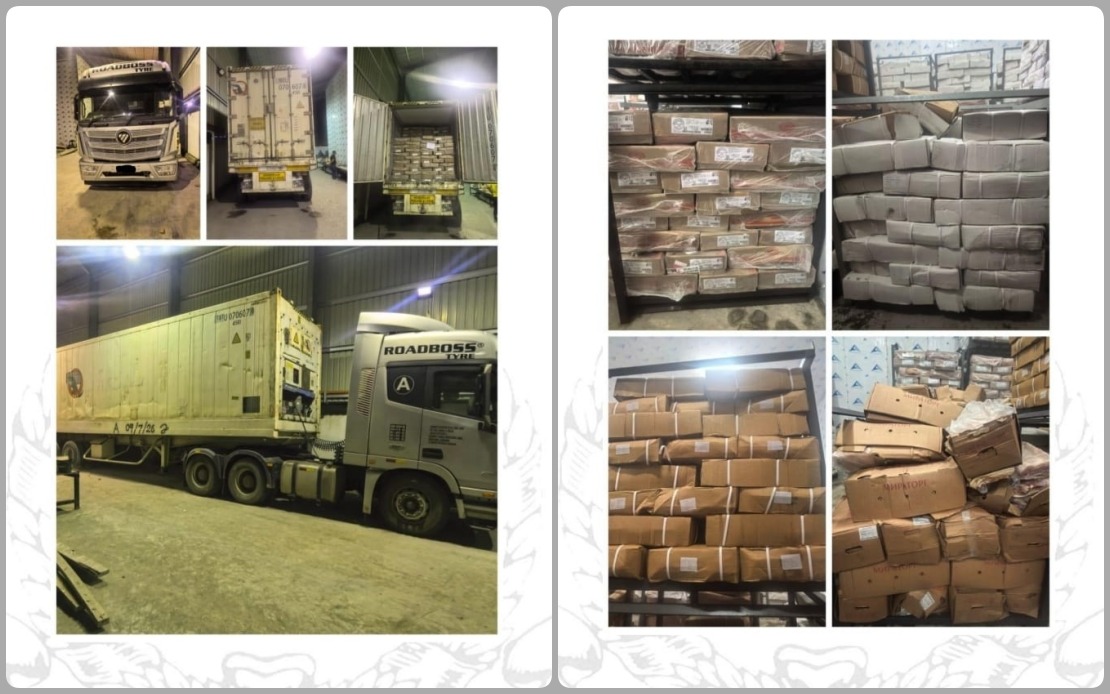
Police have made a significant seizure of undocumented frozen pork products worth RM6.19 million following a raid at a warehouse in Miri, Sarawak, with a local man arrested in connection with the operation. The enforcement action, which took place late last night under the codename Op Taring Chiller, represents part of an intensified campaign by authorities to disrupt the flow of illegally imported food items and products of questionable halal status through Malaysian supply chains.
The arrested suspect, identified as a 26-year-old local resident, was apprehended at 8 pm during the warehouse inspection. According to Datuk Seri Mohd Yusri Hassan Basri, director of the Internal Security and Public Order Department (JKDNKA), the operation underscores the police's determination to maintain stricter oversight of frozen food storage facilities and halt the distribution of unapproved food commodities. This latest seizure reflects mounting concerns among regulatory bodies about the prevalence of food products entering the country through irregular channels, a persistent challenge in enforcement efforts across Malaysia.
The scale of the contraband haul demonstrates the substantial nature of illegal food importation networks operating within the region. Officers discovered approximately 30,000 kilogrammes of cooked frozen pork large intestines, 18,000 kilograms of pork loin distributed across 15 pallets, 750 kilograms of pork housed in a single pallet, multiple pallets containing bone-in pork bellies with rind intact, and frozen pork shoulder. The diversity and volume of the seized products suggest an operation designed to supply retailers or food service establishments across Sarawak and potentially neighbouring states.
The enforcement operation brought together multiple agencies in a coordinated effort to dismantle this particular smuggling network. The Wildlife Crime Bureau and Special Investigation Intelligence unit of the JKDNKA led the operation with support from both the Miri district police headquarters and the Miri Division of the Sarawak Veterinary Services Department. This inter-agency approach reflects a growing recognition among Malaysian authorities that combating organised food smuggling requires resources and expertise spanning law enforcement, intelligence, and veterinary oversight.
Legal proceedings against the suspect are proceeding under Sections 9(1) and 9(3) of the Veterinary Public Health Ordinance 1999, a key regulatory framework governing the importation and storage of animal products in Malaysia. Beyond the arrest, authorities have issued a compound notice of RM25,000 under the same ordinance, signalling the serious regulatory violations involved. The application of veterinary legislation highlights how food security concerns and disease control priorities are intertwined with broader enforcement efforts against smuggling.
The Miri incident represents merely one component of a broader enforcement campaign spanning the entire country. Between January and mid-July this year, the WCB/PSK unit has conducted 201 raids nationwide, resulting in 375 arrests and seizures totalling approximately RM264.86 million. This substantial enforcement activity encompasses multiple categories of contraband, from non-duty-paid goods and leakage of controlled or subsidised commodities to wildlife trafficking and electronic waste, demonstrating the multifaceted nature of organised smuggling operations in Malaysia.
For Malaysian consumers and halal certification bodies, such seizures underscore the ongoing risks posed by undocumented food imports. The emphasis on products of unknown halal status reflects how food security intersects with religious requirements, a particularly sensitive issue in the Malaysian context where halal assurance significantly influences consumer purchasing decisions and public trust in the food supply. The presence of pork products without valid import permits raises questions about what other shipments may be bypassing proper documentation and inspection procedures.
Sarawak's prominence as a seizure location points to the state's geographical position and port infrastructure as factors facilitating smuggling operations. As a coastal jurisdiction with established trade routes, Sarawak has become a focal point for enforcement activities targeting the movement of contraband goods. The Miri warehouse operation reflects authorities' intelligence-gathering capabilities in identifying storage facilities used by smuggling networks, yet the frequency of such operations suggests these activities remain endemic.
The police commitment to intensified enforcement comes amid persistent challenges in combating organised smuggling networks that often operate with sophisticated supply chain knowledge and substantial financial resources. The statement emphasising continued intelligence gathering and integrated operations signals recognition that enforcement must evolve beyond reactive seizures to proactively dismantle the criminal organisations orchestrating these activities. The coordination between federal police units and state-level agencies represents an attempt to create a more cohesive enforcement framework.
The broader implications for Southeast Asia warrant attention, as illegal food trade often involves transnational networks and the potential movement of products across borders. Malaysia's enforcement efforts contribute to regional food security, though the persistence of large-scale seizures suggests capacity limitations in monitoring all entry points and storage facilities. The RM6.19 million valuation indicates significant commercial stakes, likely attracting continued involvement from criminal enterprises seeking profits from regulatory arbitrage and reduced compliance costs.
Governance challenges remain evident in the continued need for such operations. While police enforcement addresses symptoms, the underlying incentive structures that make smuggling profitable—including tariff differentials, subsidy schemes, and inconsistent regulatory enforcement across jurisdictions—continue to attract organised actors to illegal food importation. Sustainable resolution would require complementary policy measures alongside enforcement.
For Malaysian businesses operating legitimately in the food import and distribution sector, these operations impose competitive pressures and market distortion concerns. Smuggled products undersell legitimate imports and create unfair trading conditions, while simultaneously posing consumer health and halal integrity risks that legitimate traders must navigate. The regulatory environment continues to demand sophistication in documentation and compliance procedures.
Moving forward, the authorities' stated intention to intensify operations signals no softening of enforcement priorities. The substantial seizure values and arrest rates demonstrate sustained commitment, though observer assessments of whether such efforts represent strategic progress or temporary disruptions of persistent smuggling networks remain subject to ongoing analysis. For Malaysian consumers and food safety advocates, continued vigilance regarding import controls remains warranted.

