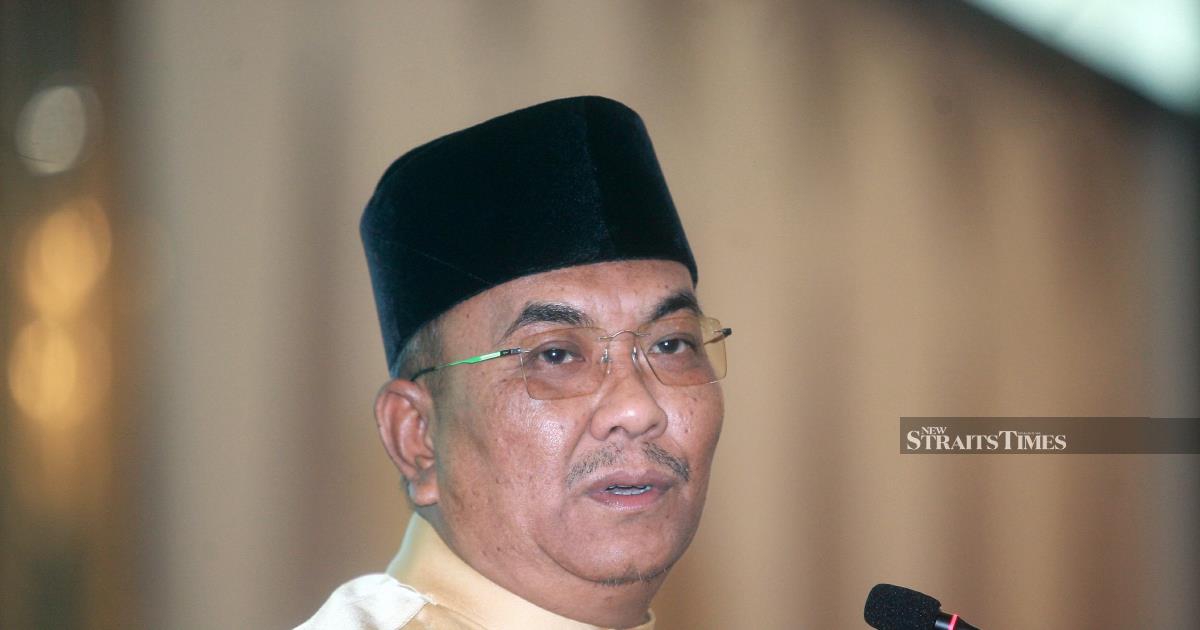
Police have flagged plans to bring in Kedah Menteri Besar Datuk Seri Muhammad Sanusi Md Nor and a prominent Umno figure from Rembau for questioning, stemming from statements both made while actively campaigning in the Negri Sembilan state election. The move signals authorities are scrutinising remarks delivered during the electoral campaign and raises questions about where authorities draw the line on permissible campaign speech in Malaysian politics.
The decision to summon both individuals represents a notable moment during what has been an intensely watched electoral period in the central Malaysian state. Though details on the specific nature of the contested remarks were not immediately disclosed, the involvement of a sitting Menteri Besar from an opposition-held state underscores the sensitive political terrain surrounding campaign conduct. Police inquiries into campaign speech have long remained a contentious issue in Malaysian electoral politics, with critics arguing such interventions can chill legitimate political discourse.
Muhammad Sanusi Md Nor currently leads Kedah as Menteri Besar under PKR's administration, positioning him as a notable figure within the broader opposition coalition. His involvement in cross-state campaigning for the Negri Sembilan contest reflects the typical pattern of senior politicians traversing state lines to mobilise support during state-level elections. The fact that he has been singled out for police questioning suggests his particular statements may have crossed what authorities view as acceptable boundaries during campaigning.
The inclusion of a Rembau-based Umno leader in the summons indicates the controversy spans multiple political parties and constituencies. Rembau itself is a significant battleground in Negri Sembilan politics, and political tensions in the district often reflect broader state-level dynamics. The simultaneous questioning of figures from different parties suggests police are approaching the matter with formal evenhandedness, though such procedures historically attract scrutiny regarding consistency in enforcement across the political spectrum.
Campaign-related police investigations occupy a recurring position in Malaysia's electoral environment, with previous elections witnessing similar controversies. Political observers have frequently noted the tension between protecting electoral integrity and respecting the space for robust political debate that democracies typically require. The threshold separating permissible aggressive campaigning from statements that breach public order or sedition laws remains perpetually contested ground in Malaysian jurisprudence.
The timing of these summons reflects a pattern where police inquiries into campaign conduct often emerge shortly after voting concludes. This retrospective approach allows authorities to wait for concrete outcome data before determining whether particular statements warrant official investigation, though it also raises concerns about selective enforcement based on electoral results. The administrative machinery of investigation operates more slowly than the campaign itself, creating inevitable delays between speech and official response.
For Negri Sembilan specifically, the election represents a critical moment in consolidating state-level political coalitions and testing voter preferences across various demographic and geographic constituencies. External support from figures like Muhammad Sanusi reflects how modern Malaysian electoral contests increasingly involve mobilisation beyond state boundaries, with national political leadership deploying themselves strategically across multiple polling districts. Such cross-pollination of campaign efforts has become standard practice across federal Malaysia's state elections.
The police move also touches upon broader questions about how campaign finance, messaging discipline, and political accountability function within Malaysia's current regulatory framework. Parties increasingly face questions about whether they adequately brief their campaigners on acceptable parameters for political speech, and whether senior leaders adequately oversee campaign conduct among their supporters and subordinates. The summons represent official attempts to enforce standards, though their actual effectiveness in shaping campaign behaviour remains debatable.
From a practical governance perspective, these inquiries can complicate political parties' campaign strategies, as senior figures become cautious about personally engaging in cross-state campaigning if they risk police questioning afterward. This has potentially chilling effects on the willingness of established politicians to participate in grassroots campaigning, though enthusiastic party activists generally continue operating with less constraint. The differential impact across political hierarchies creates asymmetric incentives within the campaign ecosystem.
As Malaysia continues developing its electoral processes and political culture, clarifying standards for acceptable campaign conduct remains an ongoing challenge. The police summons in this case reflect attempts to enforce existing regulations, but the lack of transparent, widely-publicized criteria for what constitutes problematic campaign speech leaves substantial discretion in investigators' hands. This discretion itself becomes a focal point for political controversy, with different parties interpreting enforcement actions through partisan lenses.
Looking forward, these developments may influence how political parties prepare their campaigners for future electoral contests, particularly regarding messaging on sensitive topics and the careful calibration of language employed during public rallies and campaign events. Senior politicians may increasingly seek legal advice before venturing into cross-state campaigning, particularly if they plan to address controversial issues. The cumulative effect of such caution could reshape the texture and intensity of Malaysian campaign environments.

