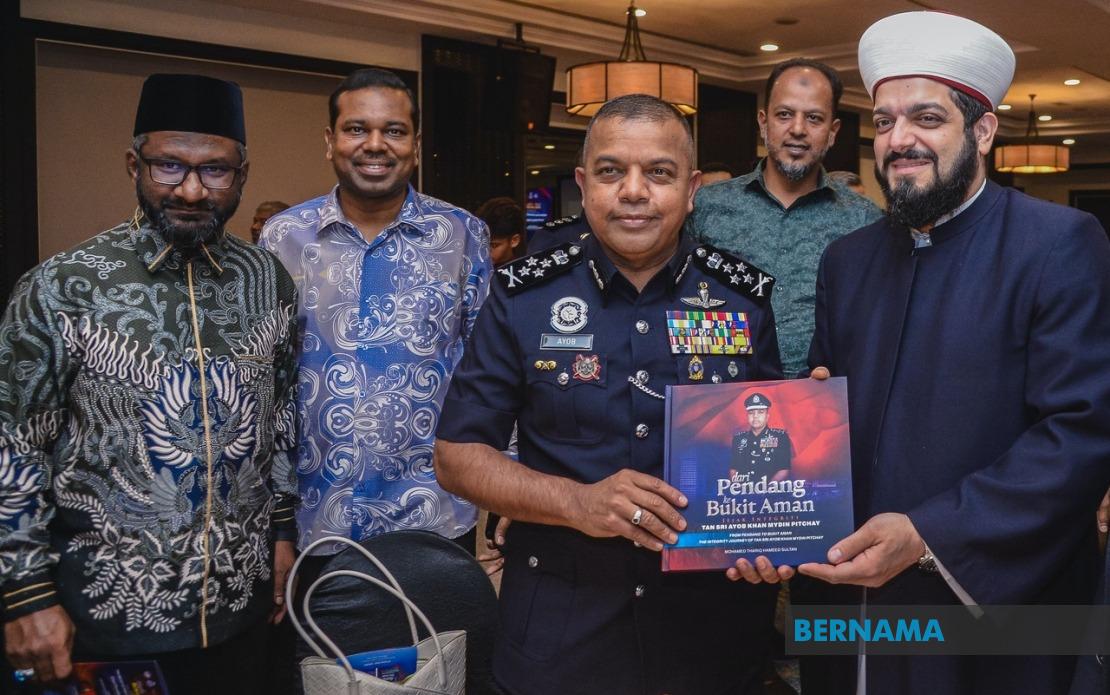
The threat landscape surrounding militant and extremist recruitment in Malaysia is undergoing a fundamental transformation, moving from traditional in-person networks to sophisticated digital ecosystems that law enforcement officials acknowledge pose unprecedented challenges. Deputy Inspector-General of Police Tan Sri Ayob Khan Mydin Pitchay warned that these groups are unlikely to diminish in influence and will continue refining their tactics through increasingly advanced technological methods, a concern he raised during the launch of his biography in Kuala Lumpur on July 23.
The most striking shift documented by senior police leadership involves the abandonment of conventional recruitment methods in favour of online channels. Where extremist organizations once relied predominantly on clandestine religious study circles known as usrah sessions to cultivate followers, they now operate across mainstream digital platforms with alarming effectiveness. Video gaming platforms, particularly Roblox, have emerged as unexpected recruitment grounds where operatives can engage potential recruits in informal settings that lack the obvious security scrutiny of dedicated extremist forums.
This migration to gaming environments represents a particularly sophisticated approach to radicalization. Games offer a veneer of innocent entertainment while providing isolated spaces where targeted messaging can occur through direct communication channels built into the platforms. Young people, who form a significant portion of gaming populations, may be especially vulnerable to manipulation when approached by individuals who have invested time in building trust through shared gaming experiences. The anonymity afforded by gaming platforms further complicates identification and intervention efforts for law enforcement agencies.
Beyond the shift in recruitment methods, police officials have identified a troubling evolution in the ideological motivations driving extremism in the Malaysian context. Militant ideologies are no longer exclusively rooted in religious interpretation or theological grievance. Instead, recruitment increasingly exploits emotional vulnerabilities, personal trauma, and accumulated hatred as psychological leverage to convert individuals toward violent action. This represents a departure from traditional understanding of extremism as primarily faith-based, and suggests radicalization pathways now encompass a wider array of psychological triggers.
Evidence of this broadened radicalization pattern has surfaced through recent arrest cases involving teenagers across the country. These investigations have revealed individuals motivated primarily by anger and perceived injustices rather than doctrinal commitment. The shift toward emotionally-driven radicalization creates new complications for counter-terrorism specialists, as it suggests prevention strategies focused solely on religious education or ideological counter-narratives may prove insufficient without addressing the underlying psychological and emotional factors propelling young people toward extremist groups.
Ayob Khan emphasized that the police operational model must become fundamentally more proactive rather than reactive to match the sophistication of current threats. Remaining passive in response to emerging radicalization channels risks catastrophic failures in threat detection and prevention. The Deputy IGP explicitly warned that without sustained vigilance and forward-thinking intelligence work, Malaysia could experience successful attack operations, which would represent a profound failure of the security establishment's protective mandate.
The comments were delivered in the presence of several senior law enforcement and government figures, including Melaka Governor Tun Mohd Ali Rustam, Criminal Investigation Department Director Datuk M. Kumar, Commercial Crime Investigation Department Director Datuk Rusdi Mohd Isa, and Internal Security and Public Order Department Director Datuk Seri Mohd Yusri Hassan Basri. This gathering of senior officials underscored the gravity with which police leadership views the evolving threat environment.
Particular responsibility has been assigned to the Special Branch's Counter-Terrorism Division, designated E8, alongside other relevant security units to maintain heightened vigilance in detecting, preventing, and neutralizing threats before they can materialize into actual attacks. This framing suggests police are shifting toward an earlier intervention model, aiming to identify radicalization patterns during recruitment and indoctrination phases rather than waiting for operational planning to commence.
For Malaysia specifically, these warnings carry significant implications given the country's strategic location within Southeast Asia and its diverse religious and ethnic composition. The region has already experienced terrorist incidents and maintains a vulnerable position within global jihadi networks. The accessibility of gaming platforms to Malaysian youth, combined with the relative difficulty in monitoring private communications within games, creates an environment where extremist operators can potentially cultivate a recruitment pipeline with limited interference from authorities.
The challenge facing Malaysian security forces extends beyond merely policing existing platforms. As extremist operators continue adapting their methods, new technologies and spaces will inevitably emerge, requiring law enforcement to maintain constant learning and adaptation. The distributed nature of online radicalization—occurring simultaneously across multiple platforms and jurisdictions—further complicates traditional policing approaches built around territorial control and centralized intelligence gathering.
International cooperation on countering online extremist recruitment has become increasingly essential, as these networks frequently transcend national boundaries. Malaysian authorities will likely need to engage with international partners and technology companies to develop more effective detection and intervention strategies. The involvement of teenagers in recent cases also suggests schools, families, and community organizations may need enhanced awareness programs to help identify early warning signs of radicalization among young people.

