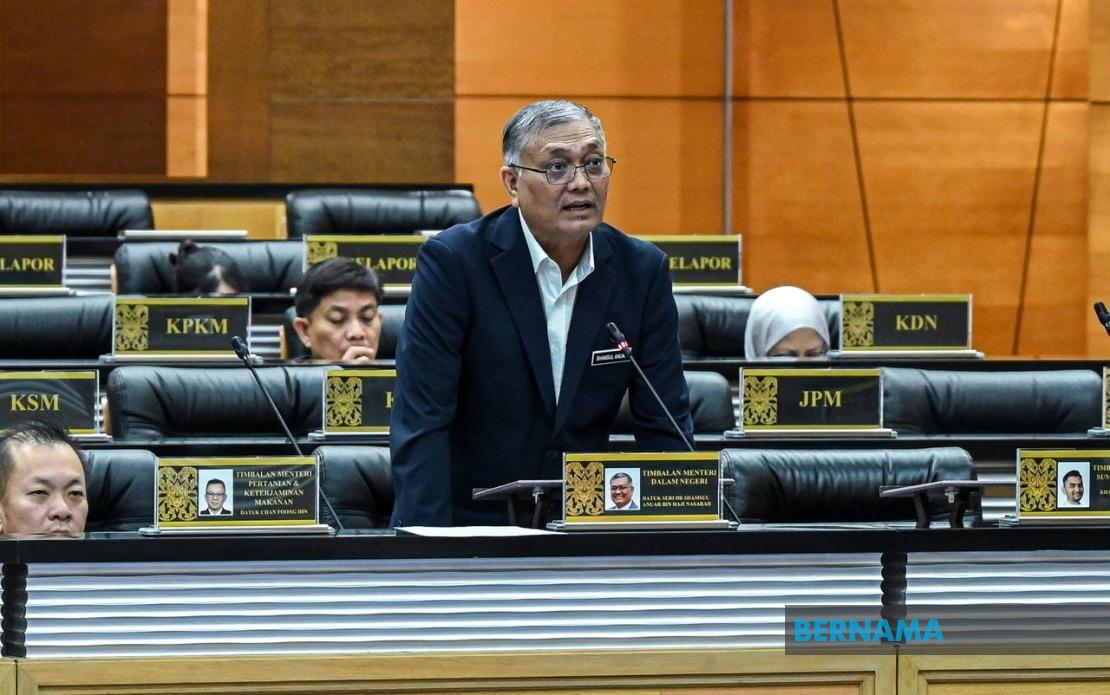
Malaysia's law enforcement establishment operates without prejudice toward individuals holding high office or political influence, according to Deputy Home Minister Datuk Seri Dr Shamsul Anuar Nasarah. Speaking during a parliamentary session, he underscored that the police investigate cases with professional rigour, transparency and fairness regardless of the status or political affiliation of those involved. His statement comes as several sensitive matters remain under official scrutiny, prompting questions about whether powerful figures receive differential treatment.
Among the ongoing investigations referenced is the 2019 incident involving an intimate video that circulated widely online and became linked to a former member of the Cabinet. Police continue attempting to locate the original recording and identify all devices and equipment involved in its creation and distribution. The case has drawn sustained attention because of the prominence of the individual implicated, raising public concern about whether the investigation would progress with the same vigour applied to cases involving ordinary citizens. Shamsul Anuar's comments appear designed to address such skepticism by insisting that official position provides no shield from criminal investigation.
The intimate video matter falls under multiple criminal statutes, creating a complex legal framework for investigators. Charges potentially applicable include Section 292 of the Penal Code, which addresses obscene publications and materials; Section 377B, relating to consensual acts between adults; and Section 504, which covers intentional insult with knowledge of injury. Additionally, authorities are examining whether the Communications and Multimedia Act 1998, specifically Section 233 addressing obscene materials transmitted through electronic communication networks, has been breached. This multi-pronged legislative approach reflects the seriousness with which authorities treat the matter and the genuine difficulty of prosecuting modern digital crimes.
The government has also faced questions regarding another high-profile matter involving the son-in-law of former Prime Minister Tan Sri Muhyiddin Yassin. Rather than police, the Malaysian Anti-Corruption Commission (MACC) has assumed investigative responsibility and has secured an arrest warrant. Shamsul Anuar declined to elaborate on specifics, noting that the warrant's issuance itself indicates the MACC's determination that sufficient grounds exist to pursue the case. This separation between police and anti-corruption authorities reflects Malaysia's institutional arrangement for addressing economic crimes and official misconduct separately from general criminal matters. The MACC's assertive action suggests that connection to a former Prime Minister carries no exemption from scrutiny of alleged wrongdoing.
These developments occur within a broader context of Malaysia's legal capacity to manage cross-border criminal matters. Extradition represents a crucial tool when suspects flee the country, yet Malaysia's frameworks for such cooperation remain limited compared to developed nations. The country currently maintains formal extradition treaties with eleven countries and has signed onto the ASEAN Extradition Treaty, creating regional cooperation mechanisms. However, the absence of treaties with many jurisdictions, particularly major financial centres and nations where Malaysian fugitives might seek refuge, creates practical constraints on the government's ability to pursue certain cases to completion.
The Deputy Home Minister has indicated Malaysia's willingness to expand extradition arrangements through bilateral negotiations with additional partners. Such expansion would strengthen Malaysia's ability to address transnational crimes and prevent individuals from evading justice by relocating abroad. For Malaysia and other Southeast Asian nations, gaps in extradition coverage represent a significant vulnerability, as organised crime and financial misconduct increasingly transcend borders. Building a denser network of treaties requires sustained diplomatic effort and reciprocal goodwill from partner nations. Malaysia's current approach suggests policymakers recognise this need and are actively working to remedy existing limitations.
The parliamentary questions that prompted Shamsul Anuar's statement originated from Datuk Wan Saifulruddin Wan Jan of Tasek Gelugor, representing Perikatan Nasional. This indicates cross-party interest in ensuring that sensitive investigations proceed without political interference. The fact that a government minister felt compelled to publicly reaffirm the impartiality of police investigations demonstrates that public confidence in institutional fairness has eroded, at least among some sections of parliament and the electorate. Trust in official institutions represents a prerequisite for effective law enforcement, as citizens must believe that investigations reflect genuine evidence-gathering rather than political revenge or selective prosecution.
For Malaysian readers, these assurances carry particular significance given the country's recent history of high-profile cases involving powerful figures. Observers will likely scrutinise whether investigations into the 2019 video incident and the former Premier's son-in-law proceed with genuine determination to establish facts and accountability. The credibility of Malaysia's justice institutions depends on following cases through to conclusion rather than allowing them to fade from public notice without resolution. International perceptions of Malaysia's governance also hinge partly on how the country handles investigations touching on senior officials, influencing investor confidence and international ratings of institutional quality.
The extradition framework discussion highlights another dimension of Malaysia's enforcement capacity. A robust ability to pursue fugitives across borders reassures the public that wrongdoing cannot be evaded through geographical displacement. Yet expanding such frameworks requires balancing legitimate interests in justice against individual rights and respecting other nations' legal sovereignty. Malaysia's cautious approach, proceeding through formal treaties rather than unilateral action, reflects recognition of these tensions. The ASEAN Extradition Treaty provides a regional foundation, though Southeast Asian countries maintain varying legal systems and governance standards, creating complications for harmonised procedures.
Moving forward, the outcome of these investigations will likely shape public and international assessment of Malaysia's institutional independence. Successfully resolving high-profile cases would reinforce official claims of impartial investigation, while extended delays or mysterious abandonments would fuel suspicions of political interference. Malaysian citizens and regional observers are watching closely to determine whether the justice system can operate free from considerations of rank and influence. The Deputy Home Minister's public statements represent an important declaration of intent, but only through consistent follow-through on complex investigations will the police and anti-corruption commission demonstrate that such principles genuinely guide their work.

