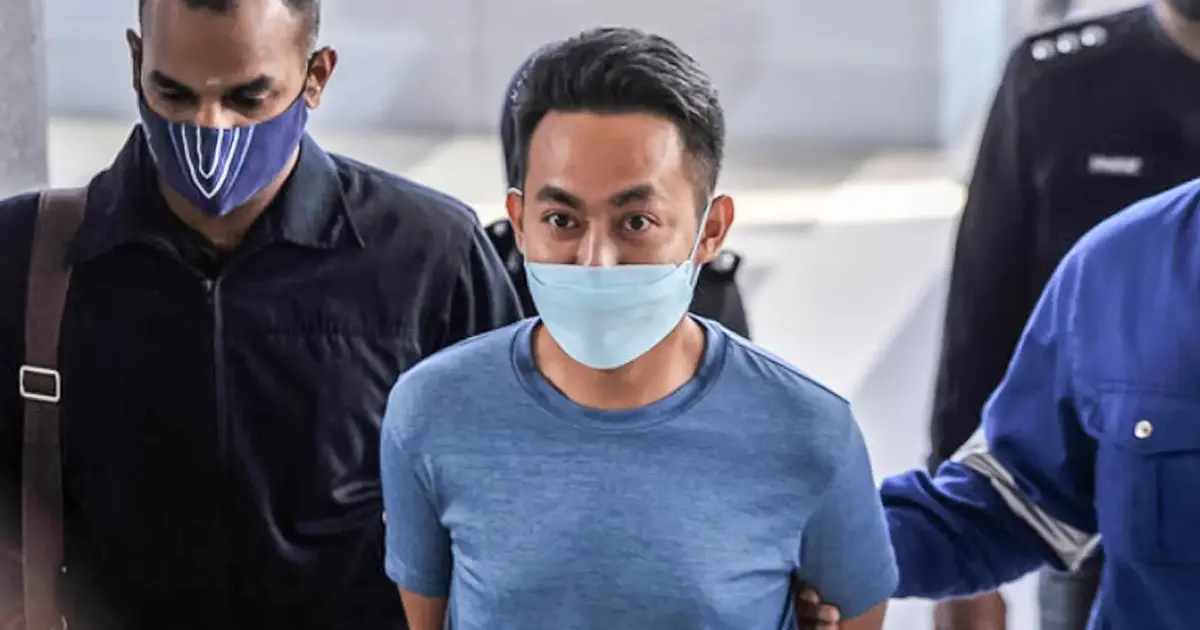
A political activist faces financial penalties after a court found him guilty of creating and sharing offensive video content on social media targeting former Prime Minister Ismail Sabri Yaakob. The Sessions court imposed a fine of RM11,000 on Jufazli Shi Ahmad, marking a significant escalation in how Malaysian courts are treating digital speech that crosses into defamatory territory. The judicial decision underscores growing judicial intervention in social media conduct, a trend that has implications for political discourse across Southeast Asia's most digitally engaged nations.
The case against Jufazli centred on a TikTok video that the court determined contained material damaging to the reputation of the former Prime Minister. While specific details of the video's content were not disclosed in court proceedings, the prosecution successfully argued that the posting constituted an offence under laws governing defamatory statements and potentially other provisions related to public order and decency. The fine amount—substantially higher than typical penalties for similar violations—suggests the court viewed the transgression as particularly egregious, possibly owing to the prominent status of the target or the video's circulation metrics on the platform.
The Sessions court judge delivered a pointed warning during sentencing, alerting Jufazli that any subsequent conviction on comparable charges would likely result in custodial sentences rather than financial penalties. This escalation framework is standard in Malaysian jurisprudence, designed to deter repeat offenders through the prospect of imprisonment. The warning carries particular weight for political activists and public commentators, as it establishes a clear precedent that persistent violations of defamation and public order provisions will trigger increasingly severe consequences. For civil society figures who depend on vocal advocacy, the prospect of jail time represents a significant deterrent to future political expression.
The conviction reflects broader tensions in Malaysia between protecting individual reputations—particularly those of prominent political figures—and safeguarding space for legitimate political criticism. The distinction between robust critique of public officials and actionable defamation remains contested territory in Malaysian courts. Civil rights organisations have previously expressed concern that defamation laws are sometimes weaponised against political opponents and activists, creating a chilling effect on public discourse. This case exemplifies how that tension plays out in practice, with a social media platform and casual video format becoming the vehicle for legal accountability.
TikTok and similar short-form video platforms have transformed political communication in Malaysia and throughout Southeast Asia, enabling rapid content creation and viral distribution that traditional media channels cannot match. However, this accessibility has also created new legal vulnerabilities for content creators who may not fully appreciate the jurisdictional reach of Malaysian law or the varying definitions of defamation across platforms. The Jufazli case signals that courts will treat TikTok content with the same legal scrutiny as other published material, despite the platform's informal culture and brevity constraints.
Ismail Sabri Yaakob served as Prime Minister from August 2021 until November 2022, making way for Anwar Ibrahim's administration. His tenure was marked by considerable political turbulence, including internal party dissension and navigating pandemic-related governance challenges. As a public figure with recent high-level political prominence, he retains considerable public interest status, which the court may have weighed when assessing the potential damage from critical content. Former political leaders generally maintain stronger legal protections against defamatory speech compared to private citizens, reflecting their continued influence in public affairs.
The financial penalty of RM11,000 is substantial enough to create meaningful consequences for most Malaysian citizens, though for activist circles accustomed to financial pressures, such fines are sometimes absorbed as operational costs of political engagement. Nevertheless, the amount signals judicial seriousness and may influence other potential critics to reconsider posting similar content. The cumulative effect of such convictions, particularly when followed by potential imprisonment, could gradually reshape the boundaries of acceptable political expression on digital platforms in Malaysia.
This ruling intersects with ongoing global debates about social media regulation, freedom of expression, and the role of courts in policing online speech. Southeast Asian governments have increasingly turned to courts and legislation to manage digital content, citing concerns about misinformation, public order, and protecting individuals from harassment. Critics worry that such enforcement disproportionately affects political opposition figures and activists, while proponents argue that platform norms and personal accountability require legal backup. Malaysia sits at a crossroads between these positions, attempting to balance democratic participation with legal frameworks designed during the pre-internet era.
The case also highlights asymmetries in how political speech is prosecuted. While public figures enjoy enhanced defamation protections, they retain significant platform advantages through traditional media access and official communication channels. Activists and ordinary citizens increasingly rely on social media precisely because they lack such institutional advantages. Consequently, prosecutions targeting social media speech can appear to entrench existing power imbalances, restricting speech channels available to political challengers while leaving government messaging relatively unfettered.
Moving forward, the Jufazli conviction will likely influence how Malaysian content creators approach political commentary on TikTok and similar platforms. Legal awareness may increase, with activists potentially becoming more cautious or seeking legal counsel before posting critical content about public figures. Alternatively, some creators might migrate toward international platforms with different legal jurisdictions or employ coded language to evade legal liability. The broader question remains whether such judicial intervention achieves its stated goals of protecting reputation and maintaining public order, or whether it ultimately diminishes the quality of public discourse by narrowing the range of perspectives that citizens feel safe expressing online.

