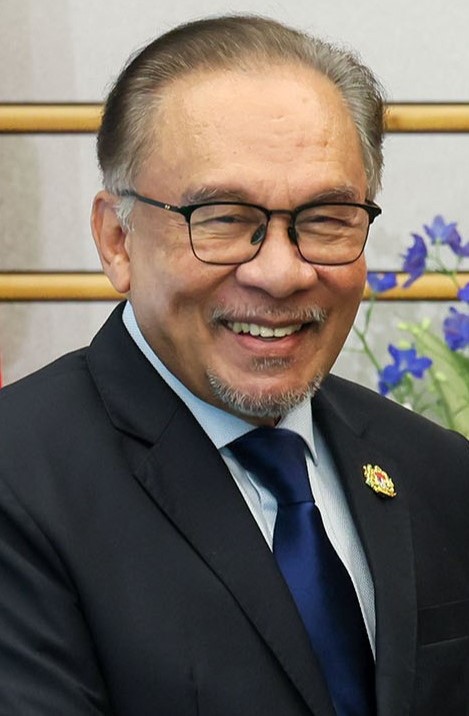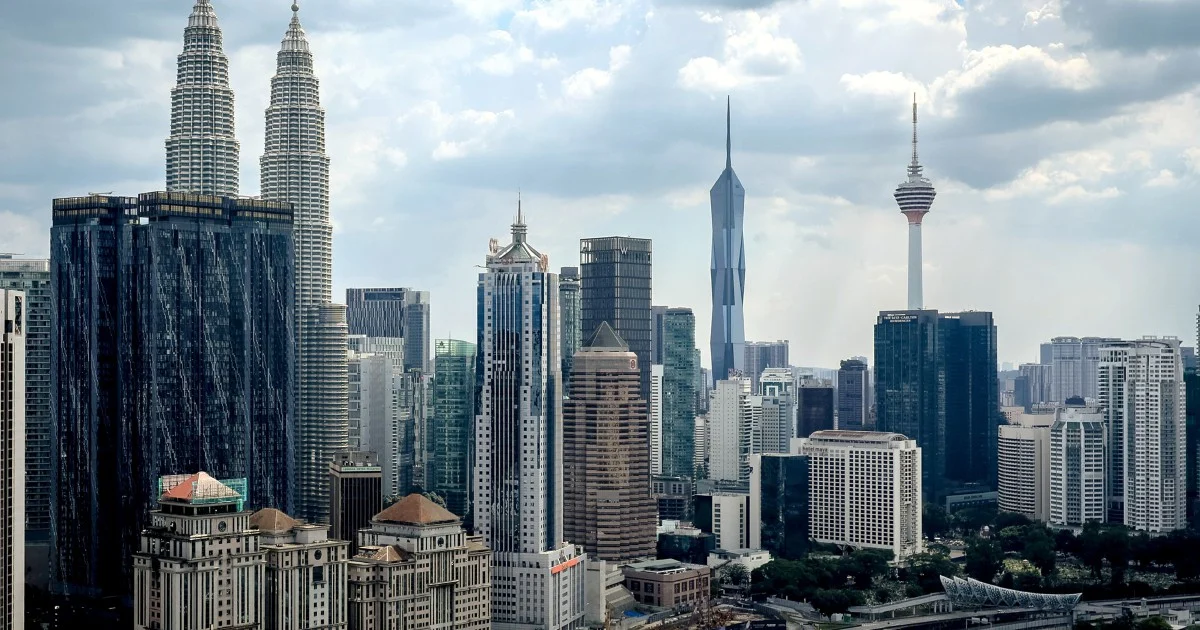
Malaysia's Ministry of Investment, Trade and Industry has sought to reassure the business community and international investors that ongoing political speculation and discussion surrounding the timing of the 16th general election are not materially affecting foreign investment flows into the country. The statement comes amid persistent market chatter about when Prime Minister Anwar Ibrahim might call for elections, with speculation intensifying since the 2023 general election returned no single party with a clear parliamentary majority.
Official statements from Miti underscore that while political stability undoubtedly ranks among the considerations that multinational corporations and foreign investors evaluate when selecting investment destinations in Southeast Asia, the actual mechanics of electoral timing and domestic political manoeuvring occupy a secondary position in their decision-making calculus. Instead, the ministry contends that investors remain primarily focused on more tangible factors such as regulatory frameworks, labour availability, infrastructure quality, and long-term macroeconomic prospects when committing capital to operations in Malaysia.
This perspective reflects a broader tension within Malaysia's investment narrative. The nation competes directly with Thailand, Vietnam, Indonesia, and the Philippines for foreign direct investment, particularly in manufacturing, technology, and renewable energy sectors. In such a competitive environment, the signals sent by periods of political uncertainty can have disproportionate psychological effects, even if they do not fundamentally alter the underlying economics of investing here. Miti's assertion that GE16 speculation is not a primary driver appears designed to counteract narratives that suggest Malaysia's investment appeal has been substantially compromised by its post-2023 political fragmentation.
The distinction between primary and secondary factors carries significant weight in economic policy discussions. By categorising political stability as important but not dominant, Miti implicitly acknowledges that political considerations cannot be entirely dismissed. Major foreign investors, particularly those in sectors requiring massive upfront capital commitments and long operational horizons, do conduct geopolitical risk assessments. They evaluate factors such as government continuity, policy predictability, and the likelihood of sudden regulatory shifts. A government perceived as unstable or potentially transient can face higher perceived risk premiums, translating into more cautious investment behaviour and demands for higher returns to compensate for elevated uncertainty.
Malaysia's track record in this regard presents a mixed picture. The country has maintained relatively consistent investment inflows despite periodic political turbulence over recent decades, suggesting that structural advantages—geographic location in Southeast Asia, established supply chains, skilled workforce, and trade agreement networks—provide substantial ballast against short-term political disturbances. However, the 2020-2023 period, marked by multiple changes in government and policy direction, did coincide with slower growth in certain investment categories and reports of delayed decision-making by corporations evaluating Malaysian expansion plans.
The ministry's framing also reflects strategic communication aimed at different audiences. For domestic constituencies concerned about economic performance and job creation, emphasising that GE16 speculation poses limited threat to investment inflows provides reassurance about future economic stability. For international investors, the message conveys confidence in Malaysia's fundamentals and suggests that political considerations should not be weighted too heavily in their investment committees' deliberations. Whether such messaging successfully influences actual investor behaviour, however, remains an empirical question that monthly foreign direct investment figures will eventually answer.
Contextually, Miti's position arrives during a period when Malaysia is competing for investment in strategic sectors including semiconductor manufacturing, battery production, and digital infrastructure—areas where governments worldwide are seeking to diversify supply chains away from China. Against this backdrop of global repositioning and industrial strategy, Malaysia indeed offers genuine attractions beyond its political environment. Its position within ASEAN, existing manufacturing expertise, and participation in regional trade agreements such as the Regional Comprehensive Economic Partnership provide structural advantages that transcend electoral cycles.
Nevertheless, the relationship between political uncertainty and investment flows in emerging markets has been extensively documented by economic researchers. While investors may not systematically avoid countries purely because elections are approaching, they do adjust their risk assessments and investment timelines when political outcomes appear unpredictable. Extended election speculation can elongate decision-making timelines, as companies defer major commitments until post-election clarity emerges. Conversely, clear political horizons—even if the outcome is disputed domestically—can accelerate investment flows as uncertainty resolves.
Miti's statement effectively acknowledges that Malaysia must compete on economic merits, not political narratives. For policymakers, this implies that managing the electoral timeline strategically, and communicating clearly about post-election policy continuity, may serve investment interests more effectively than expecting investors to disregard political considerations entirely. The ministry's position essentially challenges both the domestic opposition that claims political instability is crippling the economy, and international commentators who overstate GE16 uncertainty as a primary investment deterrent. The reality, it suggests, lies in the competent execution of economic policy regardless of when elections occur.