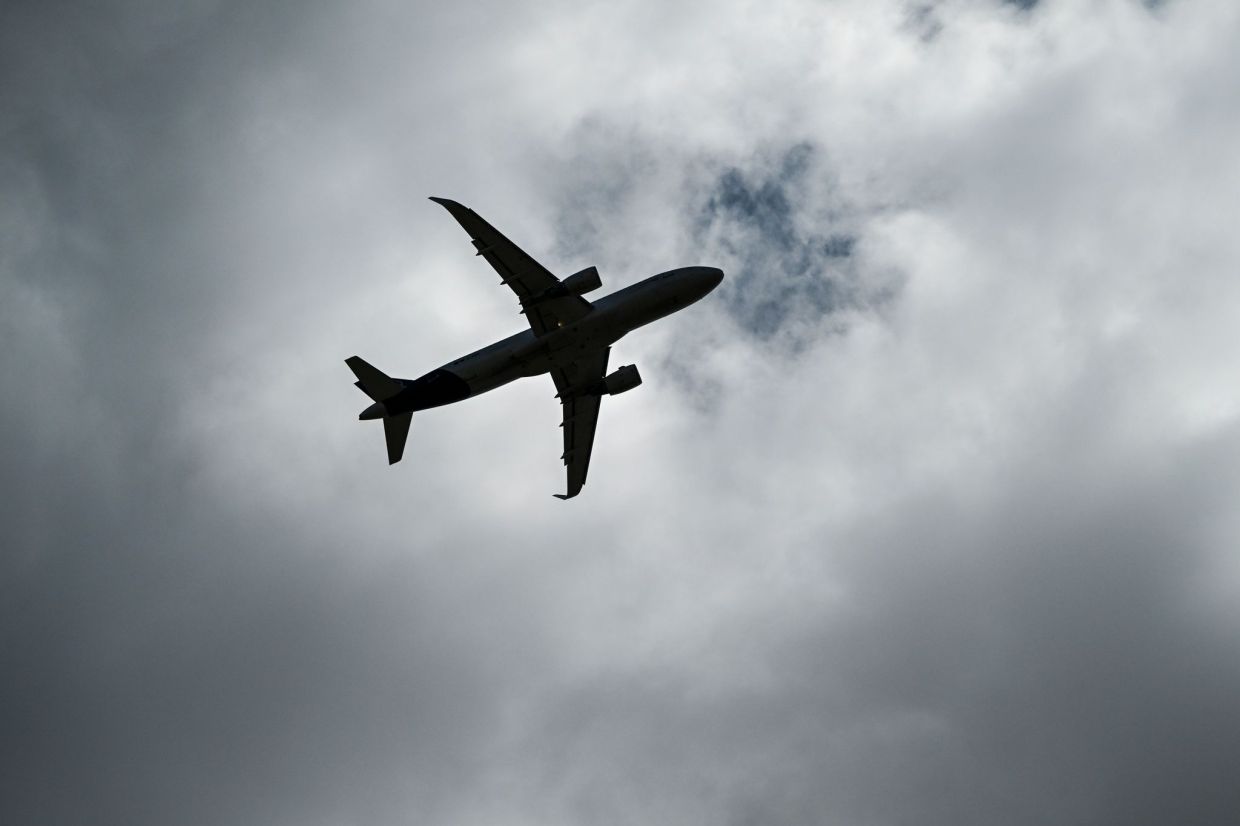
A Swiss International Air Lines flight operating under the Lufthansa Group umbrella was forced to make an unscheduled landing in Dublin after a passenger's power bank began emitting smoke over the Atlantic Ocean. The aircraft, originally destined for Boston with 206 passengers aboard, descended to Dublin after cabin crew detected smoke originating from the malfunctioning power bank. Authorities granted the flight priority landing status upon receiving the emergency signal, though the airline clarified the landing did not constitute a full emergency declaration. Passengers were subsequently transferred to hotels while the airline coordinated alternative flights to their intended destinations.
This incident represents the second occurrence of electronic device-related safety issues aboard Lufthansa Group airlines within a fortnight. Just weeks earlier, another Swiss flight from Zurich to New York experienced a similar emergency when a headphone charging case became lodged between seats, sustained damage, and began producing smoke in the cabin. That flight landed unscheduled in Bangor, Maine. The recurring nature of these incidents has drawn heightened attention to passenger baggage practices and airline safety protocols governing portable electronics.
In response to mounting safety concerns, Lufthansa Group has implemented revised regulations governing power banks and related electronic devices across its entire carrier network beginning January 2026. The airline has established clear guidelines prohibiting the use or charging of power banks during flight operations. Passengers are restricted to carrying a maximum of two power banks per person in carry-on baggage only, with strict requirements regarding where these devices must be stored during flight.
According to Lufthansa's updated safety specifications, power banks must be kept either in seat pockets, on the passenger's body, or in carry-on luggage positioned beneath seating. The airline has explicitly forbidden storage of power banks in checked baggage or overhead compartments, citing fire risk considerations. This restriction extends to e-cigarettes and similar battery-powered devices, which face identical storage and usage limitations.
Higher-capacity power banks present additional considerations under the new regime. Units with energy ratings between 100 watt-hours and 160 watt-hours require advance approval from Lufthansa before being permitted aboard any group airline. Medical devices with integrated batteries are exempt from these restrictions, recognizing the essential nature of such equipment for passengers with health requirements. The airline emphasises that these regulations align with established recommendations issued by multiple international aviation authorities, suggesting the guidelines reflect industry-wide safety consensus.
The implications of these regulations extend beyond Lufthansa operations, as similar concerns about lithium-ion batteries have prompted regulatory scrutiny across global aviation. Battery-related fires pose particular risks in aircraft environments where containment options remain limited and evacuation procedures require careful coordination. The confined cabin atmosphere means smoke and fumes from burning lithium batteries can rapidly affect passenger safety and visibility, making prevention through advance restrictions a pragmatic approach.
For Malaysian travellers and those across Southeast Asia planning transatlantic or long-haul flights with European carriers, understanding these requirements becomes essential for seamless travel. Many regional passengers rely on power banks for extended journeys, making the carry-on restrictions particularly relevant. Failure to comply with these specifications could result in confiscation of devices at airport security or checked baggage rejection, disrupting travel plans.
The incidents also underscore broader challenges facing airlines in managing passenger behaviour and expectations regarding modern electronics. Power banks have become ubiquitous travel accessories, with passengers often unaware of the risks posed by damaged or faulty units. Educational campaigns reminding travellers to inspect devices for damage before packing, alongside clear communication of airline policies, represent important complementary strategies to rigid restrictions.
Lufthansa Group's position reflects a balance between passenger convenience and safety imperatives. Rather than instituting blanket prohibitions, the airline permits limited quantities of power banks when properly stored, acknowledging their utility for modern travellers while minimising fire risk through careful regulation of placement and capacity. The advance approval requirement for larger units creates an additional safety checkpoint.
Travellers planning flights with any Lufthansa Group carrier—including Swiss, Austrian Airlines, and others within the broader network—should review current baggage and electronic device policies before departing. Airlines maintain detailed information on official websites, and checking these guidelines prevents inconvenience and ensures compliance with safety standards. Given the increasing standardisation of battery device regulations across European and international carriers, familiarity with these requirements benefits frequent flyers.
The Dublin diversion demonstrates that aviation safety protocols, while sometimes appearing inconvenient, serve critical protective functions. The swiftness with which crew detected and responded to the power bank malfunction likely prevented a more serious incident. As passenger expectations around electronic device usage continue evolving, carriers must maintain firm positions on safety-critical restrictions while communicating the rationale clearly to travelling public.
Investigations into both recent incidents will likely inform ongoing assessments of power bank risks in aviation contexts. Industry bodies monitoring these cases may refine recommendations further, potentially influencing regulations across additional carriers and regions. For Southeast Asian aviation authorities and regional carriers, these European experiences provide valuable lessons regarding battery device management.

