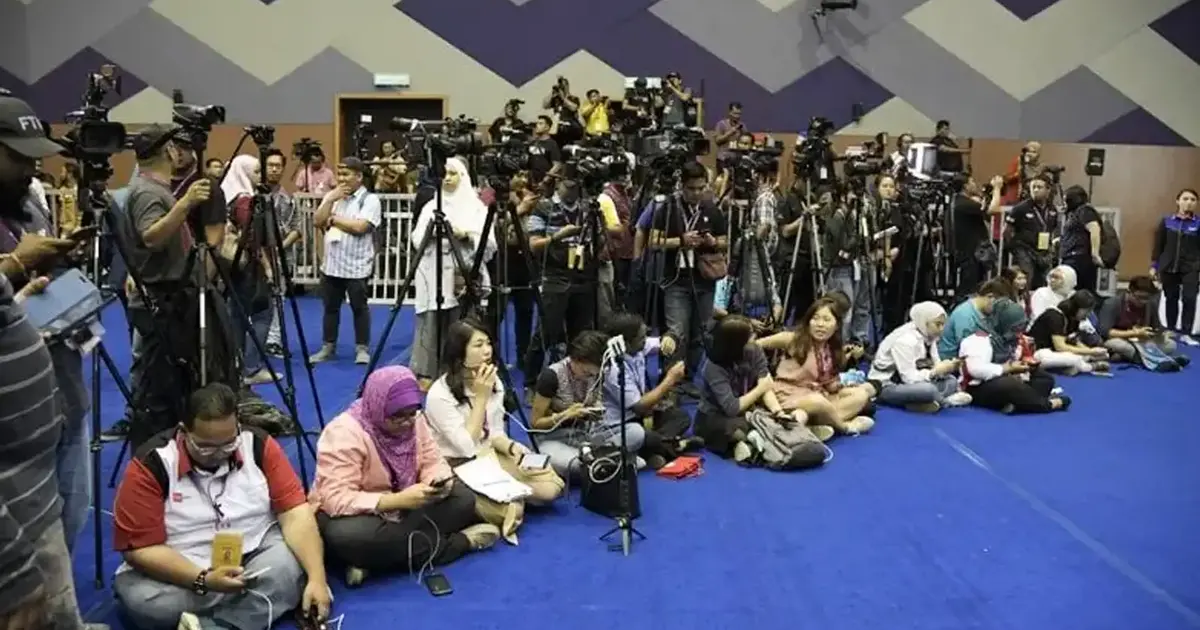
Prime Minister Anwar Ibrahim has established a structured complaint mechanism requiring all allegations against journalists to be initially submitted to the Malaysian Media Council, rather than triggering direct governmental investigation or enforcement action. This procedural safeguard aims to ensure complaints are evaluated through a neutral, industry-based forum before any formal measures are considered, reflecting the government's commitment to protecting press independence while addressing legitimate concerns about journalistic standards.
The Malaysian Media Council serves as an intermediary body composed of media professionals, industry stakeholders, and public representatives. By routing complaints through this council first, the government seeks to create a buffer against potential abuse of complaint mechanisms for political purposes or censorship. This approach distinguishes between genuine grievances regarding factual accuracy, professional conduct, or ethical violations and politically motivated attempts to silence critical reporting.
For Malaysian readers accustomed to concerns about media freedom in the region, this framework represents an attempt to balance competing interests. The mechanism acknowledges legitimate complaints about misinformation or unethical journalism whilst maintaining safeguards against authoritarian misuse of complaint systems. The Malaysian Media Council's role as the first point of adjudication creates transparency in how complaints are evaluated and prevents arbitrary action against journalists.
The council is expected to assess whether complaints merit further investigation based on journalistic codes of conduct and professional standards. Only complaints deemed substantive and properly documented would theoretically advance to formal investigation stages. This filtering process is intended to reduce frivolous or malicious complaints that could otherwise waste resources and chill legitimate reporting. The council's existing guidelines on responsible journalism provide the framework for evaluating alleged violations.
Anwar Ibrahim's directive reflects broader regional concerns about press freedom in Southeast Asia. While Malaysia maintains a functioning independent media landscape compared to several neighbours, questions persist about the balance between regulatory oversight and editorial autonomy. The Malaysian Media Council mechanism attempts to address this tension by establishing clear procedural pathways rather than relying on ad hoc governmental responses to media criticism.
The requirement for council referral before enforcement action creates a documented record of how complaints are handled. This transparency can serve as a check against selective prosecution or retaliation against specific news organisations or journalists. Media outlets can point to council decisions if they face subsequent legal action, providing some legal protection and precedent.
However, the system's effectiveness depends entirely on the Malaysian Media Council's independence and professionalism. If the council proves susceptible to political pressure or fails to apply standards consistently, the referral requirement becomes merely procedural window-dressing. Observers will watch closely whether the council independently evaluates complaints on merit or becomes an instrument for suppressing inconvenient reporting.
The announcement comes amid evolving relationships between Malaysia's government and media landscape. Anwar Ibrahim's administration has signalled openness to media scrutiny in some areas whilst establishing clearer boundaries around what constitutes acceptable reporting. This mechanism represents one attempt to codify those boundaries through institutional processes rather than legal enforcement alone.
Journalists and media organisations will need to understand the Malaysian Media Council's complaint evaluation criteria and decision-making process. Clarity about what triggers escalation from council review to formal investigation helps editors and reporters calibrate reporting practices. The council should publish decision summaries to establish precedent and maintain consistency across complaints.
For international observers monitoring Malaysian media freedom, the existence of this mechanism may provide some reassurance that complaint handling is not purely discretionary. However, they will also scrutinise whether the Malaysian Media Council functions with genuine independence or merely legitimises predetermined political outcomes. The council's composition, appointment process, and funding sources will matter significantly to its credibility.
The framework particularly affects digital and social media outlets, which often face complaints about verification standards and speed of publication. The Malaysian Media Council will need to adapt traditional journalism ethics codes to digital contexts where publication cycles operate in minutes rather than hours. Clear guidance on digital standards could help emerging news platforms understand obligations without stifling rapid reporting.
Regionally, Malaysia's approach may influence how other Southeast Asian governments establish complaint mechanisms. If the Malaysian Media Council model demonstrates effective balancing of accountability with press protection, neighbouring countries might adopt similar frameworks. Conversely, if the mechanism fails to function transparently, it could serve as a cautionary example of institutional capture masquerading as procedural fairness.
The success of Anwar Ibrahim's media complaint mechanism ultimately rests on sustained commitment to the Malaysian Media Council's autonomy and public accountability. Regular publication of complaint statistics, decision summaries, and outcomes will determine whether the system protects legitimate journalism or merely obscures political control of media through bureaucratic layers.

