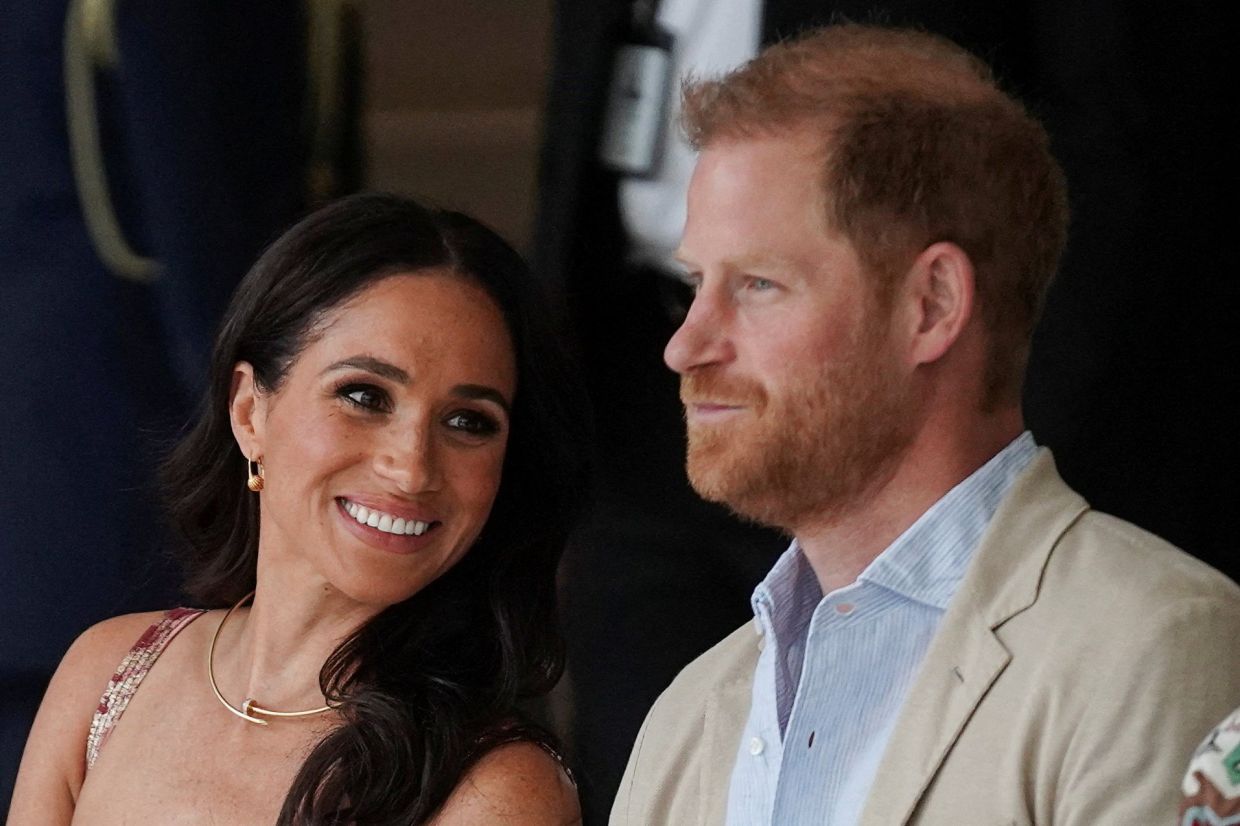
Prince Harry and Meghan Markle plan to establish a residence in the United Kingdom with their children, Prince Archie and Princess Lilibet, though they will not return to active royal duties, according to reports from British media outlets released on Wednesday. The couple's children, now seven and five respectively, have already secured places at schools in Britain and are scheduled to begin their academic year in September. This decision represents a marked shift for the couple, who abandoned their official positions within the royal household over six years ago to pursue independent commercial ventures in California.
The relocation signals a potential thawing of tensions between Harry, Meghan, and the broader royal institution, particularly following Harry's recent expressions of desire to rebuild his relationship with his father, King Charles III. The king's recent diagnosis with cancer appears to have prompted reflection within Harry, with the prince expressing concern about the limited time he may have with his parent. This sentiment represents a significant departure from the acrimonious public exchanges that have characterised the family's interactions over the past several years. Charles was informed of the couple's intentions only on Sunday, notably after their visit to the country last month had already concluded without prior announcement of these plans.
Since departing royal life, the Sussex couple have constructed a substantial independent income through high-value media agreements with Netflix and Spotify, effectively freeing themselves from reliance on the royal institution for financial support. This economic independence has traditionally been viewed as a prerequisite for any attempt at reconciliation on their own terms, rather than capitulating to institutional pressures. The arrangement has allowed them to maintain distance while simultaneously providing them with the flexibility to reconsider their geographic location without sacrificing the commercial interests that have sustained their post-royal lifestyle.
The pathway to this potential reconciliation has been marked by considerable legal turbulence. Harry has pursued multiple lawsuits against British tabloid publishers, alleging systematic phone hacking and privacy violations dating to his youth. However, his legal campaign has yielded disappointing results, with the prince losing successive court battles and facing substantial financial liability. A recent ruling has left him potentially responsible for contributing to Associated Newspapers' legal expenses, estimated at £34.5 million, a significant financial burden that may have influenced broader calculations about his position and his family's future positioning.
Another persistent source of friction has centred on security arrangements. Following Harry's unsuccessful legal challenge against the British government's refusal to provide armed police protection during his visits to the UK, the prince has argued that his family's royal lineage necessitates such protection regardless of their working status. This dispute has remained unresolved, and the decision to relocate the children to Britain introduces fresh complexity into these ongoing negotiations. The practical requirement to ensure the children's safety while attending school will inevitably bring security questions back into focus.
A preliminary step toward family reconciliation materialised last month when Harry returned to Britain for charitable commitments, with Meghan and the children joining him for a portion of the visit. Notably, the family spent time with King Charles at his Highgrove estate in Gloucestershire, marking the first occasion since the late Queen Elizabeth II's platinum jubilee celebrations in 2022 that Archie and Lilibet had encountered their grandfather. This visit, though brief, appeared to create sufficient opening for the couple to contemplate a more permanent British presence.
Despite apparent progress with the king, relations between Harry and his older brother, Prince William, show no discernible improvement. William, as the heir apparent to the throne, occupies a different institutional position with considerably greater stakes in royal protocol and family unity. Royal observers have predicted strong negative reactions from William to news of Harry's return, with former BBC royal correspondent Peter Hunt suggesting the announcement would provoke intense displeasure. Hunt observed that while Harry's physical presence in Britain might facilitate rapprochement with his father, it simultaneously creates pressure on William to engage in reconciliation, a dynamic that could intensify existing tensions.
The institutional response from Buckingham Palace has remained characteristically circumscribed, with officials declining to comment on matters relating to non-working members of the royal family. Similarly, representatives for Harry and Meghan have declined to provide substantive statements regarding the relocation plans. This mutual restraint suggests that behind-the-scenes negotiations may be occurring without immediate public disclosure, allowing space for delicate discussions to proceed without additional media scrutiny.
For Malaysian observers and the broader Southeast Asian context, this development carries implications beyond mere celebrity interest. The Sussex situation illustrates the evolving nature of modern monarchy in the 21st century, where individuals born into hereditary privilege increasingly assert autonomy over their professional and personal trajectories. The couple's ability to construct independent wealth and negotiate their relationship with royal institutions on their own terms represents a distinctly contemporary challenge to traditional hierarchies. Additionally, their focus on prioritising their children's education and wellbeing within specific geographic and cultural contexts reflects growing parental agency within prominent families, a trend resonating across Asia as established families reassess traditional expectations.
The prospect of the Sussex children receiving their education within the British school system introduces practical complexities that may reshape the family's relationship with both Britain and their California base. Establishing stable schooling necessitates sustained commitment to UK residency, potentially requiring significant restructuring of their existing media and commercial arrangements in the United States. How the family manages these dual geographic and professional commitments will likely influence the success of their reconciliation efforts, as their sustained presence in Britain will create ongoing opportunities for relationship-building while simultaneously generating fresh occasions for potential conflict.
The broader narrative surrounding Harry and Meghan's trajectory continues to crystallise around themes of institutional power, individual agency, and the tension between privilege and autonomy. Their willingness to relinquish formal royal status in pursuit of independence, coupled with their subsequent reconsideration of their geographic location and family relationships, reveals the complexities inherent in attempting to navigate modernisation within deeply traditional structures. As their children prepare to enter the British educational system, the family embarks on what may prove a consequential period in their broader institutional relationship, with implications extending far beyond their immediate family dynamics.

