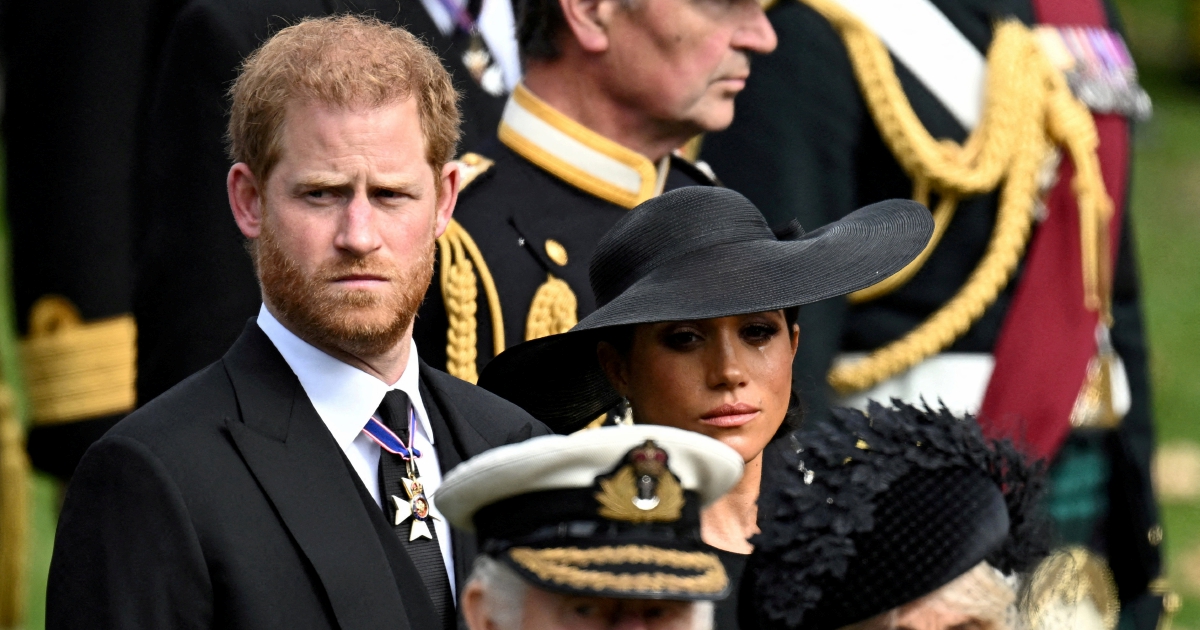
Prince Harry and several other celebrities, including singer Elton John, have been ordered by a British court to pay millions of pounds in legal expenses to the Daily Mail's parent company after their privacy-related lawsuits collapsed. The judge's decision represents a substantial financial blow to the claimants and underscores the considerable financial risks associated with pursuing litigation against major media organisations, even when privacy concerns are at stake.
The court's ruling centred on the manner in which the claimants conducted their legal proceedings, with the judge determining that their approach did not meet the standards expected in civil litigation. Rather than finding merit or lack of merit in the underlying privacy allegations themselves, the court focused on procedural and tactical decisions that the claimants' legal teams made during the case. This distinction is crucial in understanding why the financial penalty applies—the court was essentially penalising how the case was pursued, not necessarily validating the Daily Mail's conduct.
The financial implications are particularly significant given the high-profile nature of the claimants involved. Prince Harry's involvement adds considerable weight to the case, given his well-documented disputes with British tabloid media spanning several years. His ongoing legal battles with newspaper publishers have made him a prominent figure in debates about press freedom, privacy rights, and media accountability in the United Kingdom. This ruling therefore carries implications beyond the individual case, potentially influencing how other public figures approach similar disputes.
For Malaysian and Southeast Asian readers, this case illustrates the substantial risks that can accompany legal action against established media companies, particularly in jurisdictions with robust legal systems. The financial stakes involved—running into millions—demonstrate that winning on principle does not automatically translate into financial victory. Indeed, losing plaintiffs can find themselves not only denied compensation but also forced to fund their opponent's legal defence, a double financial burden that can deter others from pursuing legitimate grievances.
The presence of Elton John among the ordered payers underscores that this was not exclusively about one individual's dispute with the media, but rather a broader group action involving multiple claimants with similar concerns. This collective approach, which might seem strategically sound, ultimately exposed all participants to shared liability for legal costs. The implications for coordinated legal action are noteworthy—while collective claims can distribute individual costs and create stronger arguments through numbers, they also amplify the financial exposure if the action fails.
The Daily Mail and its parent company have long been at the centre of privacy and journalistic ethics debates. The newspaper has faced numerous criticisms from privacy advocates, celebrities, and media watchdogs regarding its editorial practices and approach to reporting on public figures' private lives. This ruling, however, suggests that legal processes are not always the most effective avenue for addressing such concerns, at least from the claimants' perspective. The financial outcome may actually discourage future litigation against the publication, even in cases where plaintiffs believe they have valid privacy claims.
The broader context of press regulation in Britain remains contested. Following the Leveson Inquiry into phone hacking and other newspaper malpractices, regulatory frameworks have evolved, but disputes continue regarding appropriate oversight and accountability mechanisms. This case demonstrates that civil litigation remains an available tool but comes with formidable risks. Claimants must not only prove their case but do so in a manner that the court deems procedurally reasonable, raising the threshold for successful claims significantly.
For public figures and celebrities considering similar action, the ruling serves as a cautionary example of the unpredictable nature of privacy litigation. Even wealthy and well-resourced claimants who can afford comprehensive legal representation remain exposed to substantial costs. The decision effectively raises the financial barrier to pursuing media accountability through courts, potentially leaving some grievances unaddressed simply because the legal risks outweigh perceived benefits.
The implications for media-public figure relations are substantial. On one hand, the ruling provides some comfort to major news organisations facing privacy claims, as it validates robust legal defence strategies and potentially discourages frivolous or procedurally problematic claims. On the other hand, it may reinforce perceptions among some that powerful media institutions are insulated from accountability, particularly when claimants lack resources for extended legal battles. This tension between press freedom and privacy protection remains unresolved.
In Southeast Asia, where media regulation varies considerably across jurisdictions and press freedom remains a contested issue, this British case offers instructive lessons. The Malaysian legal system, while distinct from the British common law tradition, shares certain structural similarities regarding defamation and privacy law. The risks identified in the Prince Harry case—procedural pitfalls, mounting legal costs, and unpredictable judicial interpretations—are relevant to any jurisdiction where media disputes might be litigated.

