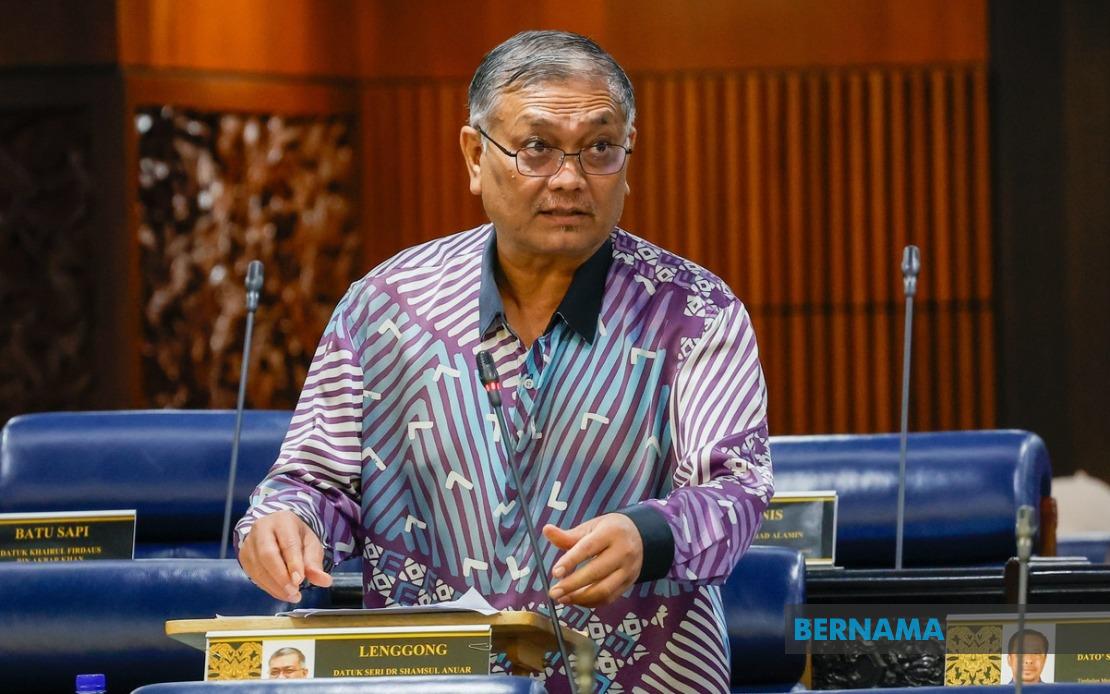
Parliament has deferred the Prisons (Amendment) Bill 2026, steering the legislation back to two specialised parliamentary committees for deeper examination. Deputy Home Minister Datuk Seri Dr Shamsul Anuar Nasarah announced the decision during the bill's winding-up debate in the Dewan Rakyat on June 25, confirming that concerns raised during parliamentary deliberations prompted the ministry to seek additional scrutiny from dedicated oversight bodies.
The proposed amendments address two significant areas of prison management and rehabilitation. The legislation would establish a framework enabling the use of electronic monitoring devices within Malaysia's correctional system, modernising surveillance and tracking capabilities for prisoners. Additionally, the bill seeks to formalise the recruitment and deployment of volunteers in support roles across rehabilitation programmes, recognising the potential contribution of civil society participation in prisoner reintegration efforts.
The decision to refer the bill to the Parliamentary Special Select Committee on Security reflects recognition that electronic monitoring technology raises complex questions about implementation, infrastructure requirements, and security protocols. Such systems require careful calibration to balance effective supervision with operational feasibility across Malaysia's prison network, which encompasses facilities ranging from high-security federal institutions to state-level local prisons. The technological and logistical dimensions demand scrutiny from committee members with expertise in security frameworks and institutional management.
Simultaneously, the referral to the Parliamentary Special Select Committee on Human Rights and Institutional Reform signals government acknowledgment that prisoner rehabilitation policy intersects with fundamental rights considerations. The involvement of volunteers in prisoner support programmes, while potentially beneficial for rehabilitation outcomes, requires safeguards protecting vulnerable inmates and establishing clear accountability mechanisms. This committee's involvement suggests parliamentary recognition that such initiatives must align with international standards on prisoner dignity and institutional accountability.
Shamsul Anuar's statement emphasised the Home Ministry's receptiveness to parliamentary input, noting that diverse perspectives presented during debate contributed to the decision for additional committee review. This approach reflects Malaysia's bicameral legislative process, where bills addressing sensitive policy areas often benefit from extended consideration beyond initial parliamentary debate. The referral does not represent rejection of the legislation but rather a deliberate pause to incorporate stakeholder feedback and refine provisions before final passage.
For Malaysia's correctional system, electronic monitoring technology represents a potential operational advancement applicable to both pre-release programmes and post-custodial supervision of released offenders. International experience demonstrates that such systems can reduce prison overcrowding pressures whilst maintaining public safety through remote monitoring. However, implementation requires substantial infrastructure investment, staff training, and technical capacity development—considerations the Security committee would appropriately evaluate.
The volunteer component of the bill addresses a gap in Malaysia's rehabilitation capacity. Prison staff shortages and resource constraints have historically limited the intensity of rehabilitative engagement available to inmates. Structured volunteer programmes, drawing on community members, professionals, and civil society organisations, could provide mentoring, vocational training, educational support, and psychological assistance. The Human Rights committee's involvement underscores the importance of establishing protocols preventing volunteer involvement from inadvertently compromising prisoner welfare or creating inconsistent treatment standards.
The deferral also provides space for consultation with diverse stakeholders not typically represented in parliamentary debate. Prisoner advocacy groups, rehabilitation specialists, security experts, civil society organisations, and state corrections authorities can contribute detailed feedback during committee proceedings. This consultative phase potentially strengthens the final legislation by incorporating practical expertise and identifying implementation challenges before the bill becomes law.
Regionally, Malaysia's prison reform efforts align with Southeast Asian trends toward modernising correctional systems. Countries including Thailand, Indonesia, and the Philippines have similarly explored electronic monitoring and community participation in rehabilitation. The parliamentary committee review process offers opportunity for international best-practice examination and consideration of regional legal frameworks governing such initiatives.
The timeline for committee deliberation remains uncertain, though parliamentary procedure typically allocates several months for such reviews. During this period, the Home Ministry will likely prepare detailed technical documentation regarding electronic monitoring system specifications, cost estimates, and deployment timelines. Similarly, guidelines for volunteer recruitment, training, vetting, and oversight will require development, potentially in consultation with civil society partners experienced in prisoner support work.
For Malaysian policymakers and correctional administrators, the committee review represents an investment in legislative quality rather than political delay. Comprehensive examination reduces the likelihood of implementation difficulties and legal challenges following enactment. The approach respects Parliament's oversight role whilst allowing technical and policy questions to receive appropriate analytical attention before final legislative approval.
Once committees complete their reviews and submit recommendations, the bill will return to Parliament for final debate and voting. Any amendments recommended by committees will inform revised legislative language, potentially addressing constitutional concerns, operational feasibility issues, or human rights considerations identified during committee proceedings. This iterative legislative process, though slower than expedited passage, ultimately produces more robust and implementable policy frameworks.

