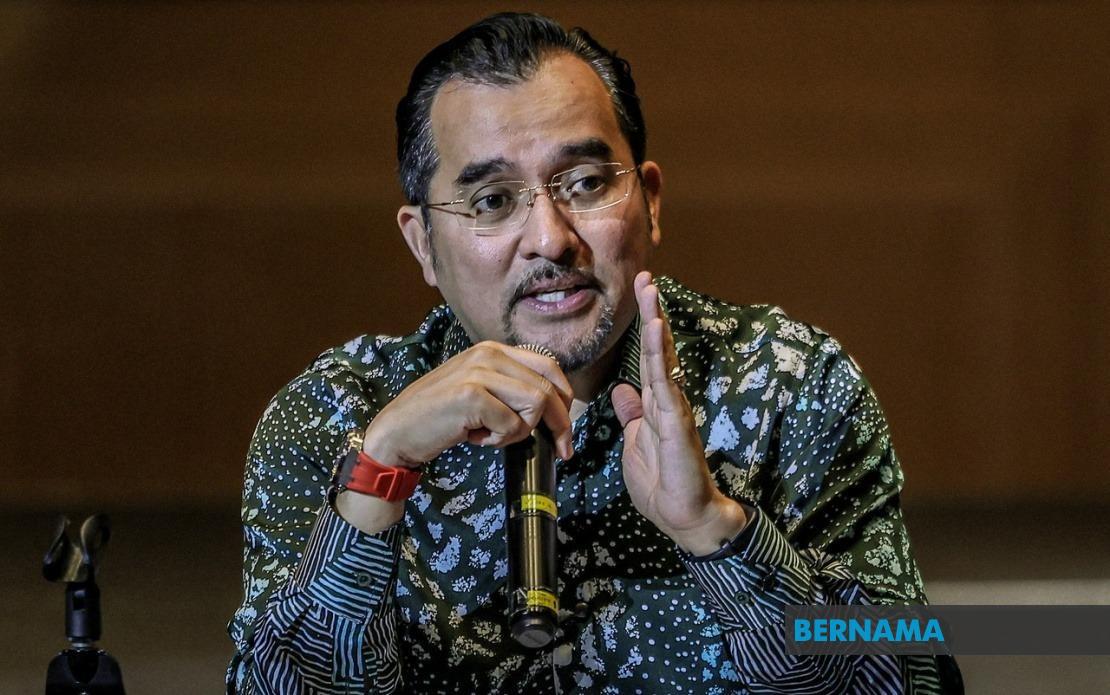
The MARA Bill 2026, expected to reach Parliament before the end of the year, places governance reform at its centrepiece. According to MARA chairman Datuk Dr Asyraf Wajdi Dusuki, approximately four-fifths of the proposed legislation concentrates specifically on modernising the institution's corporate governance framework. This strategic emphasis reflects a decisive shift in how Malaysia's premier Bumiputera development agency plans to operate, moving from traditional structures toward contemporary accountability standards that the government believes are essential for institutional credibility.
The Cabinet has already endorsed the Bill in principle, signalling political support for the overhaul despite its scope and complexity. The driving motivation behind these reforms centres on preventing recurrence of institutional failures that have plagued MARA in recent years. These include cases of leadership overreach, structural weaknesses that enable mismanagement, financial misappropriation by officials, irregular procurement decisions, resource leakages, operational waste, and systemic vulnerabilities that expose the institution to significant reputational and financial harm. For an organisation tasked with championing Malay and Bumiputera economic advancement, such governance lapses undermine both its mission credibility and stakeholder confidence.
A cornerstone feature involves curtailing the authority previously concentrated in the MARA chairman's office. Under the existing MARA Act 1966, the chairman wielded expansive powers that extended well beyond ceremonial or policy-setting roles. The new Bill redefines this position, restricting the chairman's remit to board leadership and high-level policy determination. This separation deliberately fragments power that was previously unified, making unilateral decision-making more difficult and requiring broader consensus before major institutional moves. This model aligns MARA more closely with how multinational corporations and modern government-linked entities structure their apex leadership.
The proposed legislation introduces what are termed "fit and proper" standards for Board members, a mechanism gaining traction across Malaysian corporate governance frameworks. Board appointments would no longer depend solely on political connections or seniority; candidates must demonstrate appropriate qualifications, ethical standing, and competence relevant to institutional oversight. Coupled with term limits, this approach aims to prevent indefinite tenure that can entrench poor practices and create fiefdoms within governance structures. These provisions directly address how some MARA board positions have historically been treated as sinecures for retiring politicians or well-connected individuals regardless of governance capability.
Financial management receives particular attention within the Bill's architecture. The legislation tightens rules governing procurement and financial administration, ensuring MARA's practices meet both national and international benchmarks. This matters substantially for an organisation commanding significant assets and annual expenditure; strengthening procurement oversight should theoretically reduce opportunities for inflated contracts, supplier favouritism, and hidden costs that have characterised some MARA projects. By anchoring these standards in legislation rather than merely administrative guidelines, reform becomes harder for future administrations to unwind.
The Bill mandates creation of multiple specialised Board committees addressing specific governance domains. An Audit Committee provides independent financial scrutiny; an Investment Committee evaluates capital deployment decisions; a combined Finance and Governance Committee oversees both fiscal discipline and operational standards; and a Risk Committee identifies threats to institutional stability. Each committee structure requires dedicated oversight capacity and formal accountability mechanisms. Most notably, the Bill establishes a Syariah Committee for the first time, ensuring MARA operations comply with Islamic law principles—a significant development given MARA's constituency and the institution's historical emphasis on Bumiputera advancement through Islamic values.
These reforms emerge from transformation efforts initiated when Asyraf Wajdi assumed the MARA chairmanship in March 2023. He immediately assembled a special task force chaired by former Bank Negara Malaysia governor Tan Sri Muhammad Ibrahim, drawing on deep expertise in institutional management and financial governance. This task force essentially designed the reform blueprint that now forms the Bill's foundation. The appointment signals serious intent; Ibrahim's involvement lends the process credibility with financial markets and development agencies that monitor institutional integrity.
Since then, MARA has implemented interim measures demonstrating commitment to reform. Financial discipline has been tightened across all operations; forensic audits have examined subsidiary companies to uncover hidden weaknesses or irregularities; internal audit functions previously scattered across MARA and its corporate arm have been centralised for consistency; and the procurement division has been restructured to impose clearer processes and separation of duties. Management now receives monthly financial performance reports presented to the MARA Council, adopting international corporate reporting practices that enable real-time oversight rather than retrospective discovery of problems.
For Malaysian readers and regional observers, MARA's governance overhaul carries implications beyond institutional housekeeping. MARA represents one of Southeast Asia's oldest and largest state-backed instruments for advancing indigenous entrepreneurship and economic empowerment. How successfully it implements governance reforms may influence other nations' approaches to similar development agencies. Success would vindicate the model that robust institutional frameworks, power separation, and transparent processes are compatible with—indeed essential for—effective developmental mission. Conversely, if reforms prove superficial or encounter implementation resistance, MARA's troubles could reinforce regional scepticism about state-directed development capacity.
The Bill also reflects broader Malaysian governance trends. Strengthened institutional oversight, reduced concentration of executive authority, mandatory committees with specialist remits, and legislative rather than discretionary standards increasingly characterise how government restructures its agencies. These shifts respond to public and investor demands for demonstrable accountability, particularly following high-profile institutional failures that damaged confidence in state management. By legislating governance standards, the government seeks to bind institutional behaviour in ways that administrative directives cannot.
The June announcement that the Bill would be tabled before year-end provides a timeline, though parliamentary schedules remain subject to shifting priorities. Passage is likely given Cabinet endorsement and the cross-party recognition that MARA's institutional credibility matters for national development objectives. More interesting questions concern implementation rigour and whether the governance architecture, once enacted, proves sufficient to prevent recurrence of the abuses that prompted reform. Legislation establishes frameworks; execution determines effectiveness. MARA's success in demonstrating that governance reform produces genuine change will significantly influence confidence in both the institution and Malaysia's institutional reform agenda more broadly.

