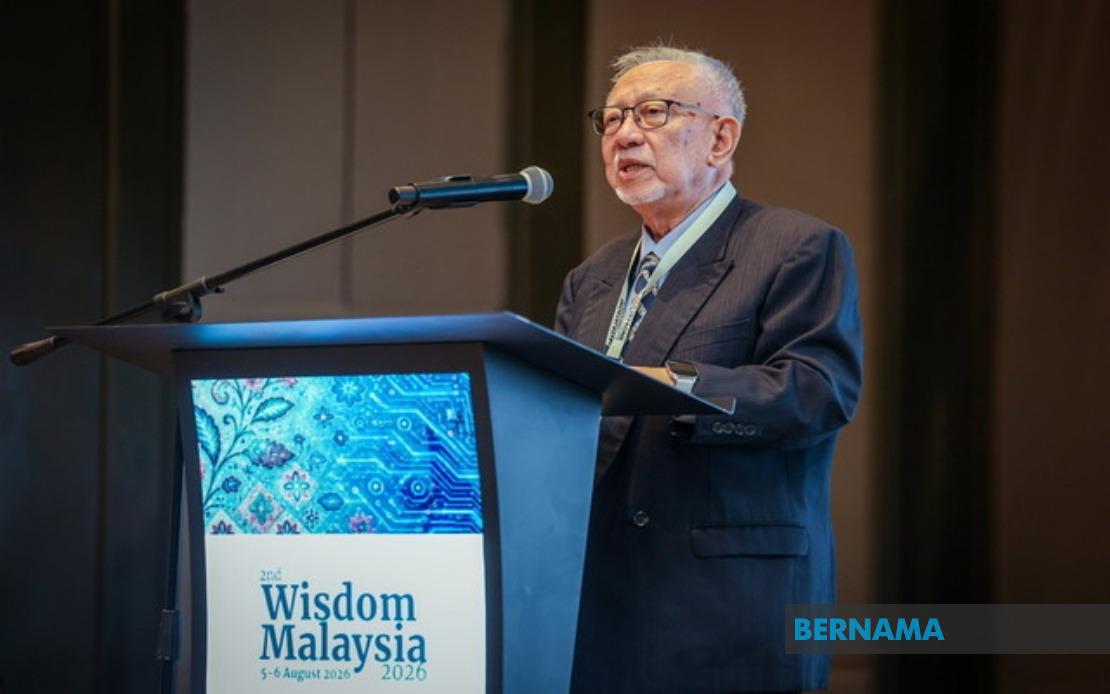
The protection of whistleblowers stands as a critical pillar in any nation's fight against corruption, according to Datuk Syed Ahmad Idid Syed Abdullah, a former High Court Judge of Malaya and Borneo. Speaking at the 2nd Wisdom Malaysia Conference 2026 in Kuala Lumpur, he highlighted how the suppression and intimidation of those who report wrongdoing creates an environment where honest officials fear retaliation, ultimately undermining institutional integrity and inviting larger-scale financial crimes.
When organisations punish or discourage those who come forward with evidence of abuse of power, they effectively remove the internal checks that might otherwise prevent systemic malfeasance. Syed Ahmad Idid emphasized that this dynamic leaves institutions vulnerable to unchecked fraud and misconduct, as complicit silence becomes the path of least resistance. Rather than viewing whistleblowing as an act of disloyalty or slander, he framed it as a legitimate exercise in accountability and justice—one designed to arrest corruption at its source and address dangerous workplace violations before they metastasize into larger institutional crises.
The former judge's remarks were delivered during a dialogue session titled 'The Life, Conscience and Costs of the Principled' at an event organised by Kerjaya One PLT, which brings together current and former industry leaders to exchange insights on governance and professional ethics. His intervention comes at a moment when whistleblower protections remain uneven across Southeast Asia, with many jurisdictions lacking robust legal frameworks to shield those who report misconduct from dismissal, demotion, or social ostracism.
Syed Ahmad Idid's analysis extends beyond the abstract principles of institutional health to encompass concrete economic implications. Should governments successfully recover the illicit proceeds siphoned away through corruption and system leakages, the financial resources available for public benefit would be transformative. These recovered funds could be redirected toward fundamental infrastructure projects that directly improve quality of life, particularly in healthcare and education—areas where Malaysian performance, while respectable, remains below the standards of leading developed economies.
To illustrate the magnitude of potential benefits, Syed Ahmad Idid outlined how recovered corruption proceeds could finance the construction of at least two general hospitals in every Malaysian state, substantially expanding access to modern medical facilities in underserved regions. Beyond hospitals, the funds could support the establishment of 20 to 50 high-quality schools nationwide, equipped with contemporary learning facilities and resources that Malaysia's young people deserve. This scenario underscores a fundamental truth: every dollar lost to corruption is a dollar unavailable for essential public services.
The implications for Malaysian education are particularly significant. A world-class education system powered by properly allocated resources would not only elevate literacy and numeracy outcomes but would also strengthen the nation's capacity to develop skilled professionals across all sectors. Enhanced teacher training programmes, funded by recovered assets, could attract and retain talent in the education field, creating a virtuous cycle of instructional excellence. Syed Ahmad Idid noted that such investments would naturally extend to security personnel and national athletes, improving both the professional standards of those protecting the nation and the competitiveness of Malaysian sporting endeavours on the international stage.
The former judge also called upon all segments of society to reject interpretations of corrupt practices that offer leniency or flexibility. Too often, he suggested, rationalizations for wrongdoing—framed in terms of cultural norms, political expediency, or bureaucratic necessity—undermine the uniform application of integrity standards. This creeping relativism erodes public confidence in institutions and signals that moral principles are negotiable rather than foundational. By contrast, societies that maintain unwavering commitment to justice and accountability foster institutions worthy of public trust.
The broader context for these remarks involves Malaysia's ongoing efforts to strengthen its anti-corruption apparatus following high-profile scandals that have shaken confidence in governance. International indices measuring perceptions of corruption fluctuate, and Malaysia competes regionally with other Southeast Asian nations to demonstrate institutional resilience. The Malaysian Anti-Corruption Commission has intensified enforcement activities, yet structural vulnerabilities persist, particularly in how suspected whistleblowers are treated within government and corporate hierarchies.
Syed Ahmad Idid's emphasis on protecting whistleblowers reflects global best practice. Nations that have successfully reduced corruption rates typically combine strong legal frameworks protecting those who report misconduct with robust independent agencies empowered to investigate allegations without political interference. Hong Kong and Singapore, while imperfect, have long benefited from institutional cultures where reporting violations carries less stigma and retaliation is actively prosecuted. Malaysia has the opportunity to move in this direction.
The economic argument the former judge articulates resonates particularly in Southeast Asia, where infrastructure deficits and educational quality gaps remain pressing challenges. Transparency International data consistently shows that corruption diverts resources away from productive public investment. For Malaysia, a middle-income nation aspiring to developed-country status, reversing this dynamic could accelerate progress toward the aspirational goals outlined in long-term development plans. Recovery of stolen assets, combined with prevention of future leakage, could unlock substantial financial capacity for transformation.
Fundamentally, Syed Ahmad Idid's message addresses a paradox that undermines anti-corruption efforts across the region. Governments often declare war on graft while simultaneously failing to adequately protect those brave enough to expose it. This contradiction signals that the commitment to transparency is superficial, thereby perpetuating the very silence that enables misconduct to flourish. Creating genuine change requires not merely punishing wrongdoers after the fact, but establishing institutional cultures where honesty is valued, protected, and rewarded—and where the costs of silence are widely understood to exceed the risks of speaking up.

