Malaysia's National Higher Education Fund Corporation (PTPTN) has achieved significant progress in recovering outstanding education loans through its partnership with debt negotiation agencies, collecting RM197 million during the period from July 2025 to May of the current year. The collection represents a meaningful 6.4 per cent improvement compared with the same period in the previous year, demonstrating the growing effectiveness of this targeted approach in engaging borrowers who have fallen substantially behind on their obligations.
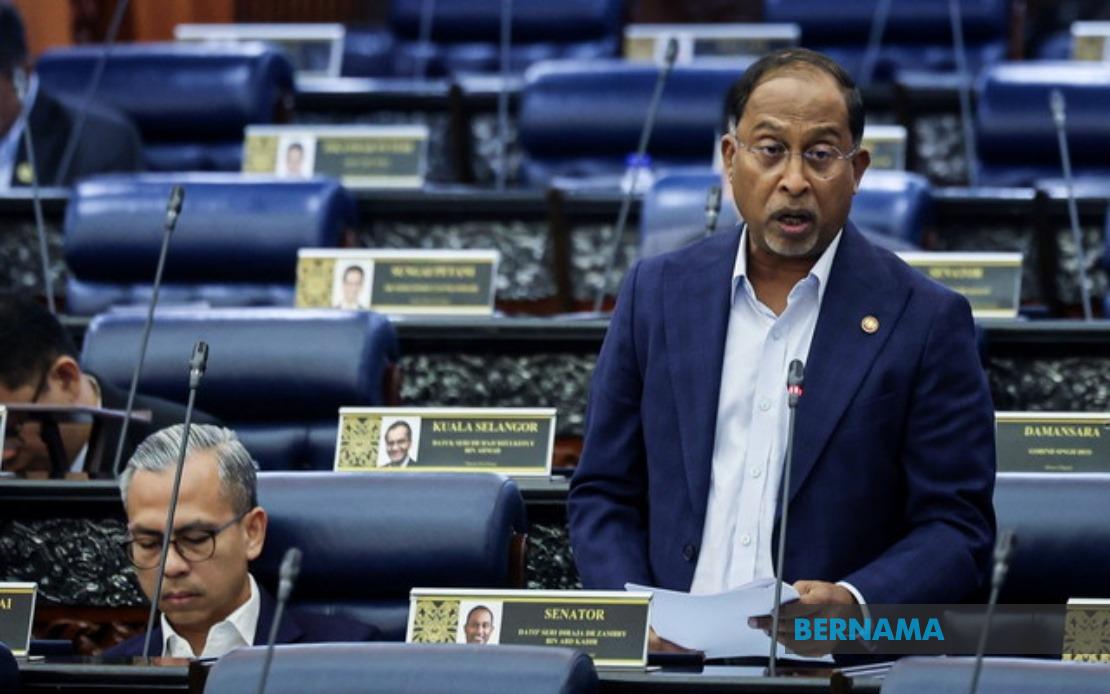
Higher Education Minister Datuk Seri Dr Zambry Abdul Kadir presented these figures during a parliamentary session, emphasising that the engagement of debt negotiation agencies, locally known as APH, reflects a deliberate strategy to address the most problematic accounts within PTPTN's loan portfolio. The minister characterised the collection trend as validation of the APH model, which focuses on building rapport with borrowers rather than employing confrontational tactics. This distinction is important for understanding Malaysia's evolving approach to student debt management, which attempts to balance institutional recovery with borrower vulnerability.
The scale of arrears requiring intervention remains substantial. As of May, PTPTN had referred 103,418 borrower accounts to APH agencies, collectively representing more than RM3 billion in outstanding debt. These figures underscore the magnitude of the challenge facing the nation's higher education financing system, where thousands of graduates have either struggled to secure stable employment or faced personal circumstances that made regular repayment unfeasible. The decision to escalate these accounts to specialised negotiation agencies signals recognition that conventional internal collection methods have reached their limits for this segment.
Crucially, borrower accounts are only transferred to APH following a stringent qualifying process. Minister Zambry clarified that referrals occur exclusively when borrowers have accumulated arrears exceeding 120 months—a full decade—and have already incurred legal judgments against them. This means individuals are given considerable opportunity to resolve their situations independently before facing external intervention. The extended timeline reflects an implicit acknowledgment that education borrowers often require extended grace periods to stabilise their finances and resume payments.
The government maintains that appointing APH agencies is framed as a structured collection mechanism rather than a punitive measure. Minister Zambry explicitly stated that the approach should not be perceived as intended to punish or pressure borrowers, but rather as one option among several collection tools deployed specifically against accounts exhibiting the most severe and protracted delinquency. This framing is significant because perceptions of harshness in debt recovery can damage public confidence in the entire PTPTN system and discourage struggling borrowers from seeking legitimate assistance.
Despite accounts being handed over to APH, negotiation pathways remain open. The minister emphasised that closure of dialogue channels does not occur merely because an account reaches the APH stage. Borrowers whose cases have been escalated retain the ability to appeal their situations and engage directly with PTPTN legal officers to reach mutually acceptable repayment arrangements. This flexibility suggests a policy mindset that prioritises eventual recovery over immediate collection, recognising that sustainable solutions require accommodation of borrowers' actual financial capacities.
For borrowers experiencing genuine financial hardship, additional avenues exist beyond APH negotiation. PTPTN accepts formal appeals from individuals facing documented economic difficulties, enabling discussion with designated legal officers to devise solutions proportionate to current income and obligations. The corporation has signalled commitment to assessing each case individually, examining household income levels, existing financial commitments, and broader socio-economic circumstances before determining appropriate repayment schedules. This case-by-case evaluation represents a departure from rigid, standardised collection approaches that may inadvertently harm vulnerable borrowers.
The underlying rationale for this layered approach reflects concern that blanket collection tactics could exclude genuinely disadvantaged borrowers from legitimate support pathways. By reserving the most intensive interventions for accounts meeting strict criteria—decade-long arrears plus legal judgment—PTPTN aims to concentrate resources on borrowers most likely to respond to structured negotiation, while maintaining flexibility for those whose circumstances warrant relief. The distinction matters for Malaysian society, where income inequality and employment precarity mean many graduates face legitimate barriers to repayment despite willingness to honour their obligations.
The 6.4 per cent year-on-year increase in APH-mediated collections suggests these mechanisms are gaining traction within the borrower population. Growing familiarity with negotiation agencies may be reducing initial resistance or stigma associated with engagement. However, the absolute numbers also indicate that despite these gains, recovery remains challenging across the broader portfolio, with RM3 billion still outstanding among referred accounts alone and likely considerably more across PTPTN's entire book.
From a policy perspective, the data reveals a maturing approach to education debt that balances creditor interests with borrower welfare. Malaysia's experience with APH reflects regional trends toward recognising that defaulted education loans often reflect systemic barriers—inadequate employment opportunities, wage stagnation, or unexpected life circumstances—rather than wilful non-compliance. The integration of negotiation services alongside traditional collection suggests policymakers increasingly understand that sustainable recovery depends on helping borrowers reach viable repayment capacity rather than pursuing collection against genuinely unable borrowers.
The implications extend beyond PTPTN itself. As Malaysia continues developing a knowledge economy dependent on tertiary education, the visibility of student debt challenges may influence future policy on loan terms, repayment flexibility, and income-contingent mechanisms. The current system's apparent struggles with long-term arrears could eventually drive reform toward more sophisticated income-based repayment models, particularly if demographic and economic data demonstrate that current graduates face systematically different labour market conditions than their predecessors.
Looking forward, the success of APH engagements will likely shape PTPTN's strategic direction. If collection rates continue improving and borrowers respond positively to negotiation-based approaches, expansion of these services or refinement of their targeting criteria may follow. Conversely, persistent challenges could prompt reconsideration of whether educational financing architecture itself requires fundamental adjustment to prevent future accumulation of intractable arrears.

