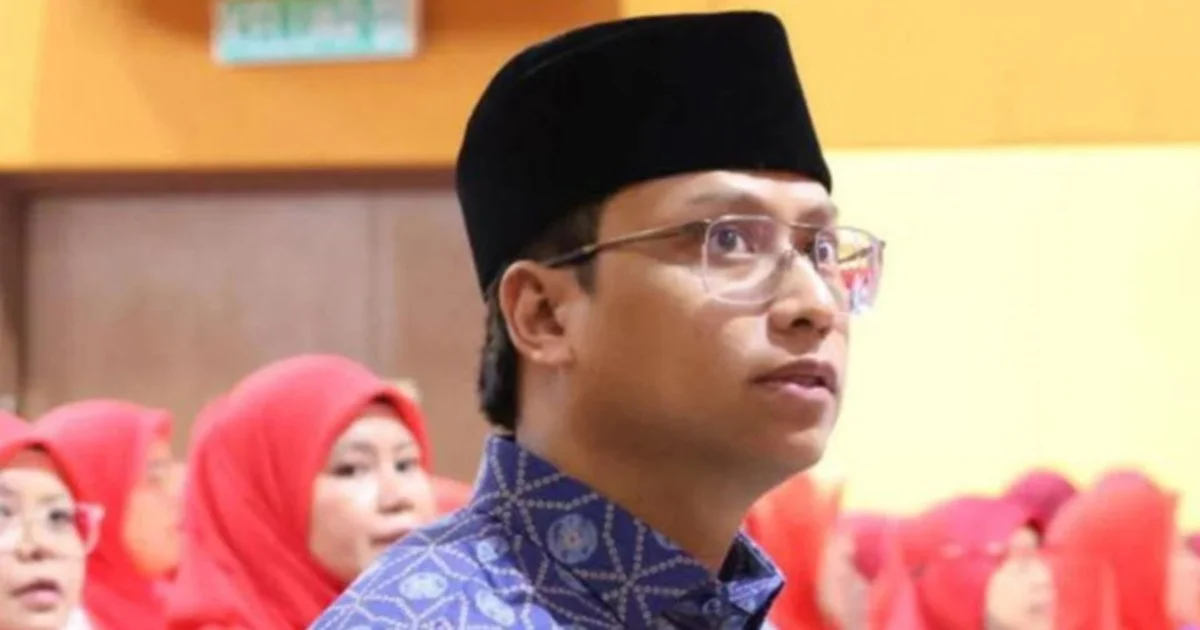
The family of former Umno Supreme Council member Datuk Dr Mohd Puad Zarkashi has stepped into the ongoing debate surrounding the veteran politician's recent commentary on the party's strategic direction, with his son publicly rallying to his defence and framing the criticism as a constructive measure designed to secure the organization's long-term viability. The intervention underscores the continuing sensitivity within Umno's upper echelons over discussions about the party's future and its evolving role in Malaysian politics.
According to the younger Zarkashi, his father's observations ought not to be interpreted as disloyal attacks on Umno's leadership or institutional integrity, but rather as candid assessments rooted in deep concern for the party's welfare. This characterization attempts to reposition remarks that have evidently sparked considerable internal friction, transforming what critics might view as dissent into expressions of patriotic devotion to preserving the party's core purpose and viability. The framing reflects broader family and factional interests in maintaining standing within Umno circles despite voicing perspectives that diverge from the current consensus.
The younger Zarkashi's public statement serves multiple functions within Umno's complex political ecology. It provides a platform for moderating the perceived harshness of his father's critique while simultaneously amplifying the message through a secondary spokesperson, thereby introducing generational perspective to an intra-party discussion that has increasingly drawn scrutiny from both sympathetic and hostile observers. By involving his son, the family also signals that its concerns transcend individual grievance and speak to fundamental questions about institutional trajectory that younger members ought to contemplate.
The intervention emerges during a period of considerable internal soul-searching within Umno regarding its political positioning and electoral competitiveness. The party has confronted significant challenges in recent years, including organizational fragmentation, shifting voter demographics, and persistent questions about its capacity to remain electorally dominant. Within this context, voices questioning existing strategies or raising concerns about party direction occupy a complex position, simultaneously perceived as potentially threatening to unity yet reflective of genuine member anxieties about institutional viability.
Datuk Dr Mohd Puad Zarkashi's stature as a former Supreme Council member provides his remarks with particular weight within party hierarchies, even as that same elevated position renders his public criticism more consequential and therefore more likely to attract controversy. His son's intervention suggests the family remains engaged in navigating the delicate balance between maintaining influence within Umno structures and preserving the credibility of substantive critiques that could otherwise become dismissed as factional positioning or personal grievance.
The assertion that history will ultimately judge Umno's stance introduces a longer temporal framework to evaluating contemporary policy decisions and strategic choices. This invocation of historical perspective implies that current controversies, while immediate and pressing, should be evaluated against patterns and outcomes that may only become fully apparent with the passage of time. Such framing encourages patience and retrospective judgment while simultaneously suggesting that present decisions warrant careful reconsideration beyond immediate political convenience.
For Malaysian political observers, the exchange highlights enduring tensions within Umno between hierarchical discipline and internal pluralism. The party has historically managed considerable internal debate within closed forums, yet increasingly such discussions spill into public view, creating complications for both those voicing concerns and those perceived as targets of criticism. The younger Zarkashi's intervention navigates this terrain by legitimizing his father's engagement with substantive questions while attempting to defuse perceptions of intra-party rupture.
The family's engagement also reflects broader questions about intergenerational perspectives within Umno. Younger members and family connections of established figures occupy ambiguous positions, potentially serving as bridges between older leadership cadres and emerging political consciousness among voters. By publicly supporting his father's observations, the younger Zarkashi positions himself as someone genuinely engaged with the party's intellectual and strategic evolution rather than merely reproducing inherited status.
With Umno navigating significant electoral and organizational challenges across multiple political jurisdictions, and facing persistent competition from other Malay-Muslim-oriented parties, internal discussions about strategic direction become increasingly significant. Voices questioning existing approaches, even those emanating from establishment figures, potentially contribute to more rigorous institutional self-examination. Yet such contributions simultaneously risk deepening existing divisions if perceived as factional rather than principled.
The younger Zarkashi's framing of his father's remarks as future-oriented rather than backward-looking or purely critical represents a strategic rhetorical choice designed to neutralize perceptions of destructive dissent. By emphasizing the constructive intent and long-term perspective underlying the critique, he reposition what might otherwise be characterized as problematic internal discord into responsible engagement with institutional sustainability questions that should preoccupy serious party members.
As Umno continues navigating evolving political landscapes and reorganizing its strategic responses to contemporary challenges, internal conversations about direction and approach will likely intensify. Family interventions such as that of Datuk Dr Mohd Puad Zarkashi's son suggest that these discussions, while potentially divisive, reflect genuine member investment in the party's future rather than purely self-interested factional positioning. Whether such engagement ultimately strengthens Umno's institutional coherence or deepens existing fractures will indeed be a judgment for both contemporary observers and future historians to render.

