The July 11 Johor state election contest for Pulai Sebatang has crystallised into a stark choice between transformation and consolidation, with voters in this coastal-agricultural constituency set to decide whether to embrace a new developmental approach or maintain the sitting administration's incremental gains. The contest pits Pakatan Harapan's Haniff @ Ghazali Hosman against Barisan Nasional incumbent Hasrunizah Hassan in a contest that reflects broader tensions shaping Malaysian electoral politics in the post-2018 realignment era.
Handiff, a 46-year-old campaigner with prior experience contesting the Pontian parliamentary seat in 2013 and the Benut state assembly seat in 2022, is constructing his electoral case around Pulai Sebatang's untapped potential. He envisions the constituency, anchored around Pontian town and positioned strategically near established economic corridors, as a nascent economic hub capable of generating prosperity while preserving the traditional livelihoods that have sustained residents for generations. His framing of the area as a "gem" awaiting discovery speaks to an aspirational vision that emphasises unlocking value through managed, deliberate investment attraction rather than ad-hoc development projects.
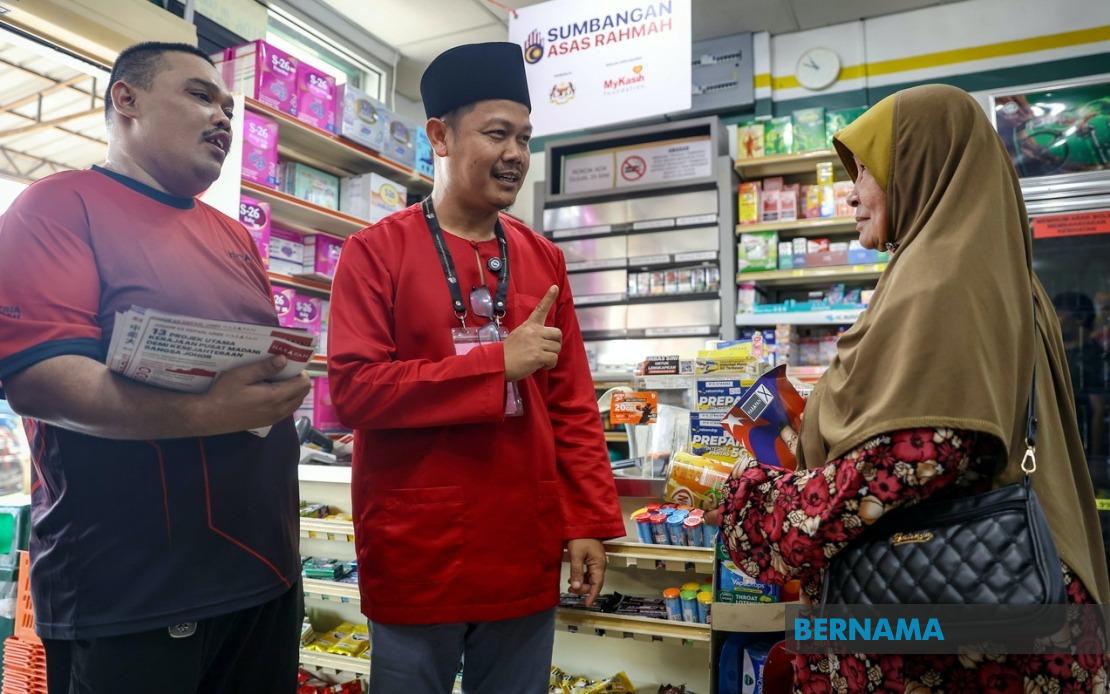
Central to Haniff's pitch is a commitment to balanced development that avoids displacing the fishing and agricultural communities forming the constituency's economic and cultural foundation. The fishing village of Pontian Besar and the farming areas of Parit Datuk represent constituencies within the broader electorate, each facing distinct challenges. Haniff has pledged compensation for fishermen and dedicated focus on resolving persistent drainage failures that generate seasonal flooding in agricultural zones, suggesting a granular understanding of localised grievances that accumulate into broader voter dissatisfaction. His campaign methodology reflects this localism, relying heavily on walkabouts and door-to-door engagement to understand specific community concerns rather than delivering pre-packaged policy platforms.
Haniff's confidence rests partly on Pakatan Harapan's 2018 electoral victory in this seat, a win that demonstrated voter receptiveness to the coalition's messaging during that pivotal realignment cycle. His grassroots feedback, according to his account, has remained encouraging, suggesting either genuine momentum or at minimum competitive positioning heading into the July 11 contest. The fact that he seeks to contest this seat after previous unsuccessful bids reflects either resilience or the coalition's limited candidate depth in Johor, a state where Barisan Nasional retains structural advantages.
Hasrunizah Hassan, contesting as the BN incumbent following her 2022 assumption of the seat, has anchored her campaign around tangible, visible projects rather than developmental philosophy. The proposed expansion of Pontian Hospital, she argues, represents the constituency's most pressing infrastructure need, and she highlights that the project has advanced from concept to procurement phase, suggesting active government machinery translating electoral promises into implementation. This emphasis on healthcare infrastructure reflects a sophisticated understanding of voter priorities, particularly in districts where healthcare access remains variable and aging populations require enhanced medical facilities.
Beyond hospital expansion, Hasrunizah has concentrated on completing village road projects, with 25 of 75 identified applications remaining outstanding since her 2022 commencement. This approach—completing incremental infrastructure improvements—differs fundamentally from Haniff's transformational rhetoric. Rather than reimagining the constituency's economic future, Hasrunizah offers sustained, methodical attention to deferred maintenance and localized infrastructure needs. Whether voters perceive this as responsible stewardship or insufficient ambition remains central to July 11's outcome.
Hasrunizah's re-election platform also encompasses continuation of welfare programmes, specifically the Kasih Johor assistance initiative, housing support schemes, and first-home ownership programmes. These represent state-level social protection mechanisms that directly affect household finances, particularly for lower-income demographics likely receptive to targeted assistance. BN's framing of welfare continuity reflects confidence that existing beneficiaries will prioritise programme preservation over aspirational development narratives, a calculation based on demonstrated incumbent performance rather than future promises.
The Pontian MP Datuk Seri Ahmad Maslan's visible support for Hasrunizah and Benut candidate Datuk Mohd Sumali Reduan underscores the federal-state campaign integration BN routinely deploys in Malaysian elections. Ahmad's endorsement emphasising the candidates' educational backgrounds and proven records attempts to establish credibility benchmarks, implicitly contesting any PH suggestions of inexperience or questionable competence. This federal-level reinforcement reflects BN's organizational capacity and Johor's significance as both a populous state and a traditional BN stronghold where federal intervention in state contests remains unremarkable.
The early voting date of July 7, preceding the main July 11 polling, allows advance participation by eligible voters unable to vote on the primary date. This procedural detail carries strategic implications, as campaigns typically intensify during early-voting periods to mobilise their most committed supporters before the broader electorate casts votes. Both camps will likely concentrate resources on securing early-voter turnout among their identified bases during the July 7 window.
For Malaysian and Southeast Asian observers, the Pulai Sebatang contest illuminates persistent tensions within Malaysian state-level politics. The contest between transformation and continuity reflects broader societal debates regarding development paradigms, with rural and semi-rural constituencies like Pulai Sebatang serving as crucial testing grounds for competing visions. Haniff's emphasis on sustainable, investor-attractive development contrasts with Hasrunizah's incremental infrastructure and welfare approach, each reflecting different assumptions regarding what rural constituencies require and value.
The Johor election's broader context matters significantly. Johor's 2022 state election delivered a BN victory following a period of political volatility, suggesting that voters in Malaysia's second-most-populous state responded positively to BN's restoration campaign. Pulai Sebatang's result will provide a localized test of whether that 2022 mandate remains robust or whether voters have shifted priorities during the intervening period. The constituency's combination of maritime and agricultural economic bases further distinguishes it from urban-centred contests, making it a particularly valuable indicator of rural electoral sentiment during Malaysia's ongoing political realignment.
Hasrunizah's advantage extends beyond her incumbent status; she benefits from BN's organizational infrastructure, state government resources, and demonstrated ability to deliver visible projects within a single electoral term. However, Haniff's transformational rhetoric may appeal to voters feeling that incremental progress inadequately addresses Pulai Sebatang's potential. The July 11 contest will ultimately determine whether Johor's voters prioritise consolidating recent gains under Hasrunizah or embrace the reimagining of their constituency's future that Haniff proposes.

