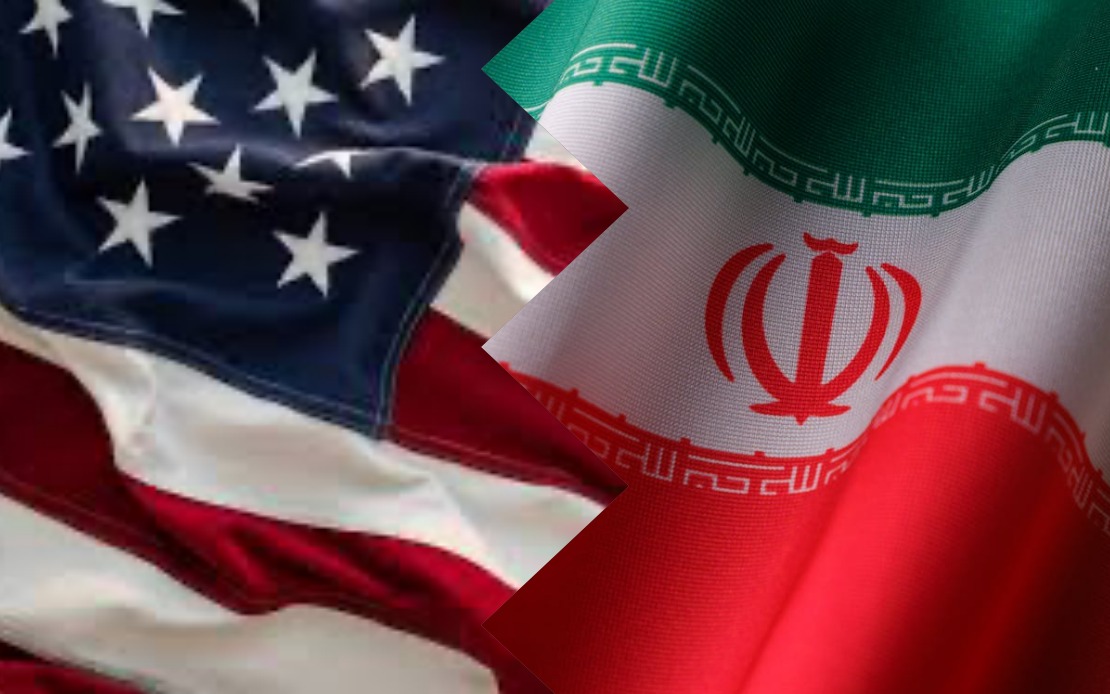
Qatar has launched a diplomatic push across the Gulf Cooperation Council to rally support for a US-Iran memorandum of understanding, reflecting deep concerns about regional stability and the ongoing cycle of military escalation in the Middle East. Prime Minister and Foreign Minister Sheikh Mohammed bin Abdulrahman Al Thani initiated a series of consultations with counterparts in the United Arab Emirates, Saudi Arabia, Kuwait, Oman and Bahrain, underscoring Doha's conviction that collective Gulf action is essential to salvage fragile peace mechanisms before they collapse entirely.
The timing of Qatar's initiative reveals mounting alarm over recent developments that have destabilised the region. Earlier this year, escalating hostilities began when the United States and Israel launched military strikes against Iran in February, provoking Tehran to retaliate with direct attacks across multiple countries in the Gulf and broader Middle East. This tit-for-tat pattern of strikes and counter-strikes demonstrated how quickly diplomatic channels can be overwhelmed by security imperatives, yet also exposed the vulnerability of unilateral military posturing in resolving fundamental disputes.
In an attempt to arrest this dangerous spiral, Washington and Tehran negotiated a ceasefire agreement in April, followed by a more comprehensive Pakistan-mediated memorandum of understanding signed in June. The accord was explicitly designed to terminate their military conflict and establish foundations for a durable peace settlement that could reduce tensions throughout the region. However, optimism proved premature—the arrangement unravelled last month when both sides resumed attacking each other, sustaining hostilities for nearly two weeks and demonstrating the fragility of agreements lacking adequate enforcement mechanisms and regional buy-in.
Qatar's diplomatic initiative seeks to address this implementation crisis by enlisting Gulf states as guarantors and facilitators of the memorandum's provisions. Al Thani has stressed that sustained commitment to dialogue and diplomatic channels must supersede military calculations, even when security concerns are acute. His emphasis on maintaining freedom of navigation through the Strait of Hormuz reflects recognition that commercial imperatives align with peace-building, since any blockade of this critical chokepoint would devastate global energy markets and directly harm Gulf economies dependent on petroleum exports.
The strategic context for Qatar's intervention extends beyond immediate security concerns. As a peninsula nation surrounded by larger neighbours, Qatar has long relied on diplomatic dexterity and mediation capacity to maintain its position and influence. By orchestrating Gulf coordination around the US-Iran memorandum, Doha positions itself as an essential broker in regional affairs, strengthening its diplomatic credentials and demonstrating utility to both Western and Iranian interests. This approach aligns with Qatar's broader foreign policy trajectory of positioning itself as a neutral intermediary capable of engaging all parties.
The sustainability of any regional peace architecture depends critically on whether Gulf states can present a unified front to international actors seeking to exploit divisions. The divergent interests of Saudi Arabia, which has viewed Iran as a strategic competitor for regional leadership, and Oman, which has historically maintained independent relations with Tehran, create complex dynamics. Qatar's diplomatic outreach attempts to bridge these differences by framing collective coordination as serving mutual interests in reduced military expenditures, increased economic activity, and enhanced security through deterrence and dialogue rather than escalation cycles.
For Malaysia and other Southeast Asian nations, the implications of instability in the Gulf are substantial. Disruption to Strait of Hormuz shipping directly affects energy supplies and shipping costs that sustain Malaysia's economic activity. Malaysian firms operating in Gulf markets face heightened risks during periods of military confrontation, and Malaysian workers deployed across Gulf states confront personal security challenges when regional tensions spike. Beyond commercial considerations, the principle of resolving disputes through multilateral dialogue rather than military force resonates with ASEAN's foundational commitment to peaceful settlement of regional differences.
The collapse of the June memorandum raises hard questions about what confidence-building measures might prove sufficiently robust to prevent recurrence of military escalation. Qatar's emphasis on implementation mechanisms suggests recognition that declarative agreements lack credibility without mechanisms for verification, dispute resolution, and graduated response protocols. The gulf between signing a peace accord and sustaining its practical application has repeatedly proven vast in Middle Eastern contexts, requiring not merely elite commitment but institutional capacity to manage disagreements without reverting to military force.
Qatar's reaffirmation of support for comprehensive regional peace agreements indicates willingness to undertake mediation labour across multiple diplomatic tracks. This multi-stakeholder approach, engaging Gulf states, international powers, and potentially other regional actors, represents the most serious effort yet to create conditions for lasting de-escalation. However, success ultimately depends on whether the underlying drivers of US-Iran rivalry—ideological competition, strategic distrust, and contest for regional influence—can be sufficiently addressed through modified agreements or confidence-building arrangements that make renewed conflict demonstrably more costly than negotiated settlement.

