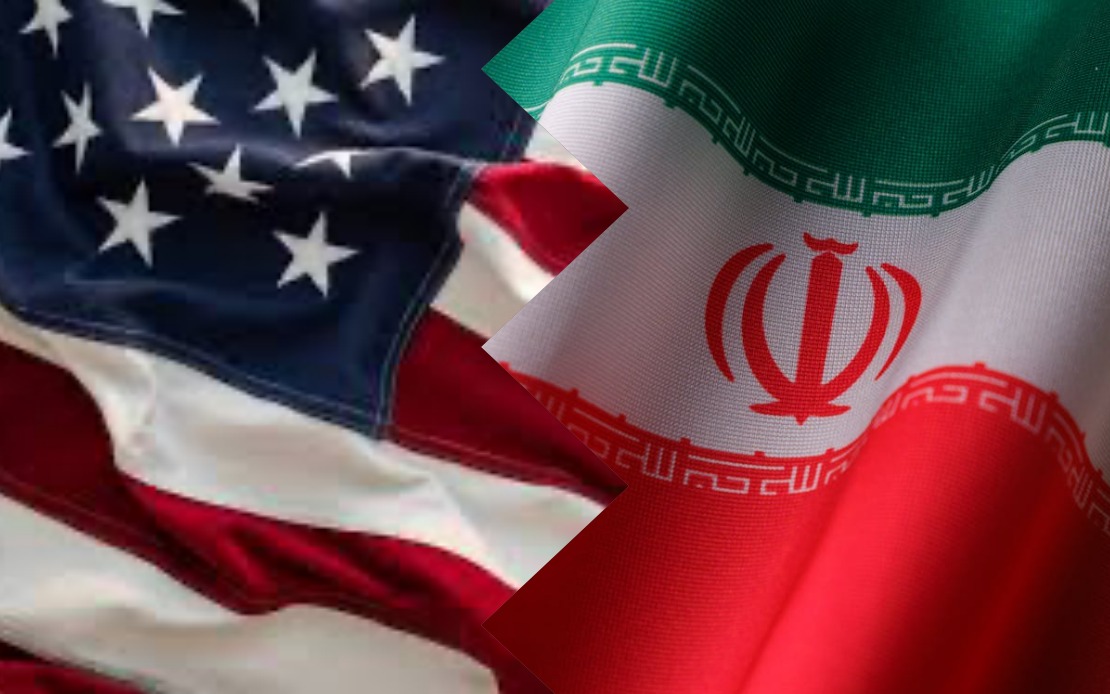
Diplomatic efforts to bridge the widening gap between Washington and Tehran have entered a new phase following mediated talks in Doha, according to Qatar's Foreign Ministry. The Gulf nation, alongside Pakistan, has successfully convened separate meetings with delegations from the United States and Iran, producing what both sides characterised as substantive movement on key issues linked to the Islamabad Memorandum of Understanding. This development, announced by Qatari Foreign Ministry spokesman Majed Al Ansari, signals that multilayered diplomatic channels remain open despite persistent regional tensions and recent geopolitical upheavals.
The talks represent a continuation of engagement patterns established at the Lake Lucerne Summit, indicating that mediation frameworks developed through previous high-level meetings are being actively utilised. Qatar's role as a neutral intermediary reflects its longstanding position as a diplomatic bridge in Middle Eastern affairs, a position it has leveraged repeatedly during periods of heightened US-Iran friction. The involvement of Pakistan alongside Qatar underscores the regional dimensions of these negotiations, as both nations maintain distinct relationships with Washington and Tehran that allow them to facilitate dialogue where direct contact remains politically sensitive.
The substance of discussions centred on implementing commitments outlined in the Islamabad Memorandum of Understanding, suggesting that negotiators are moving beyond preliminary exchanges to address concrete measures and mutual obligations. The fact that delegations reported progress on these specified issues indicates that technical and substantive groundwork has advanced sufficiently to permit detailed negotiations on implementation details. This shift from broad-brush diplomacy to issue-specific discussions typically signals that negotiating teams believe sufficient common ground exists to justify investing time in working through contentious details.
The timing of these talks carries particular significance given the political upheaval affecting Iran following the death of Supreme Leader Ali Khamenei in February. The former Iranian leader was killed in what Qatari and international sources characterised as a US-Israeli strike, an incident that heightened regional tensions considerably. Despite this traumatic development and the accompanying state funeral scheduled for Friday, Iran's willingness to continue participating in mediated discussions demonstrates its interest in maintaining diplomatic channels. This represents a conscious choice to separate questions of accountability and security concerns from ongoing engagement on substantive issues.
For regional observers monitoring US-Iran relations, the continuation of talks even during a period of peak internal disruption in Tehran suggests pragmatic calculations on both sides. The American delegation's participation in these meetings indicates that Washington, despite its military capabilities and strategic interests in containing Iranian influence, views negotiated solutions as preferable to escalation. Similarly, Iran's engagement despite the recent strike and ceremonial obligations demonstrates that even during moments of national grief and military vulnerability, the Iranian government recognises value in keeping diplomatic channels operational.
The agreed commitment to schedule the next meeting at the earliest practical time represents a concrete procedural advancement. Rather than allowing discussions to drift into indefinite suspension, both delegations have formalised an intention to reconvene promptly, with only the immediate mourning period intervening. This structured approach to continuity contrasts sharply with previous episodes of US-Iran antagonism, where diplomatic momentum frequently collapsed entirely following security incidents or political ruptures. The establishment of a timeline, however flexible, institutionalises the expectation that negotiations will persist.
For Malaysia and Southeast Asian countries, these developments carry implications for regional stability and broader patterns of great power competition. As Washington and Tehran navigate their ongoing confrontation, the ability of smaller nations to maintain commercial, security, and diplomatic relationships with both powers depends partly on whether diplomatic channels can prevent escalation. The Doha talks, by keeping communication lines open, reduce the risk of miscalculation that might otherwise draw additional nations into conflict. Malaysian policymakers monitoring these negotiations have an interest in their success, as further destabilisation in the Middle East typically affects energy markets, shipping routes through strategic waterways, and the security environment for Malaysian nationals and businesses operating across the region.
The involvement of Qatar and Pakistan in these mediation efforts also illustrates how middle powers can exercise diplomatic influence by providing neutral venues and trusted channels. This model has relevance for Southeast Asian nations, including Malaysia, which might similarly position themselves as venues for dialogue between competing major powers. The willingness of the United States and Iran to engage indirectly through agreed mediators, rather than insisting on direct negotiations or remaining entirely estranged, reflects a pragmatic acceptance that mediated talks can advance interests even when bilateral relations remain strained.
The references to the Lake Lucerne Summit and the Islamabad Memorandum of Understanding indicate that these negotiations are embedded within a broader diplomatic architecture involving multiple countries and previously agreed frameworks. This institutional approach to US-Iran relations, relying on binding commitments and structured meeting formats, provides greater stability than ad-hoc engagement based on momentary political calculation. The persistence of these frameworks even through periods of acute tension suggests that both the United States and Iran have developed some confidence in the process, even if they disagree fundamentally on many security questions.
Moving forward, observers will monitor whether the next round of talks, scheduled for the coming period, maintains the reported momentum or whether they stall over implementation details. The funeral observances for Ali Khamenei will conclude by early next week, removing a ceremonial obstacle to resumed engagement. The structure of talks—with mediation rather than direct bilateral meetings—may actually facilitate more candid discussion by allowing each side to communicate positions through trusted intermediaries who can transmit messages in diplomatically calibrated language. This indirectness, while cumbersome, sometimes proves more conducive to finding common ground than high-profile direct encounters where public posturing takes precedence.
The regional ripple effects of sustained US-Iran dialogue extend beyond bilateral relations between Washington and Tehran. Neighbouring countries including Saudi Arabia, the United Arab Emirates, Iraq, and various smaller Gulf states have interests in whether this engagement leads to broader de-escalation or represents merely a tactical pause in deeper conflict. For Southeast Asia, including Malaysia, the implication is that periods of intensive US-Iran diplomacy may create windows for other regional actors to pursue their own security and economic interests with somewhat reduced great power interference, though such windows typically remain limited and fragile.

