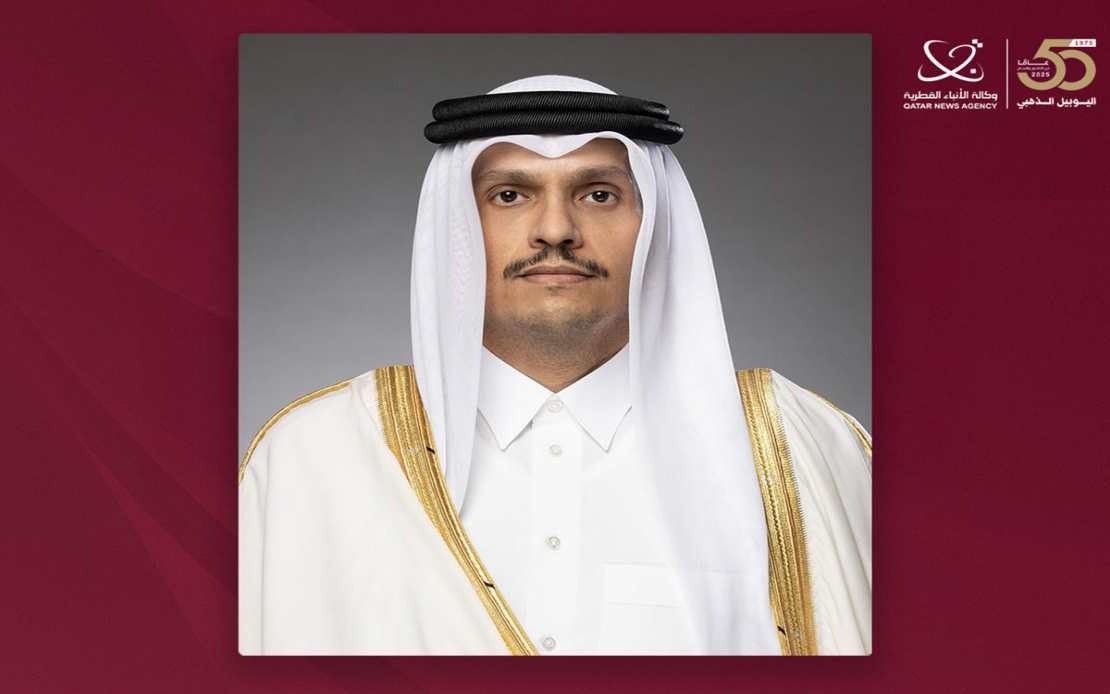
Qatar's Premier Sheikh Mohammed bin Abdulrahman bin Jassim Al Thani is heading to Iran's capital for diplomatic engagements aimed at lowering the temperature between Washington and Tehran. The visit, confirmed by Qatar's Foreign Ministry, represents a significant mediation push at a moment when military escalations between the two powers have intensified dramatically over recent months.
According to Foreign Ministry spokesman Majed Al Ansari, the Qatari leader will convene with senior Iranian officials to explore pathways toward de-escalation and establish foundations for constructive negotiation. The discussions carry particular weight given Qatar's established role as an intermediary in Middle Eastern disputes—a position it has cultivated through careful diplomatic positioning and its hosting of US military facilities.
At the heart of these talks lies the critical issue of maritime security in the Strait of Hormuz, one of the world's most strategically vital waterways. The two sides intend to examine mechanisms for ensuring freedom of navigation through this chokepoint, through which roughly one-third of global seaborne oil passes daily. Qatari diplomats are specifically seeking to restore conditions that existed before late February, when initial American and Israeli military operations against Iran triggered a cycle of tit-for-tat strikes.
This visit marks Sheikh Mohammed's first journey to Tehran since Washington and Israeli forces launched their coordinated February strikes. The timing underscores how rapidly relations have deteriorated, with the conflict now entering a more pronounced military phase despite earlier diplomatic breakthroughs. The diplomatic window, it appears, remains fractionally open—though narrowing.
Progress on a June memorandum of understanding between Washington and Tehran, brokered partly through Qatari and Pakistani channels, has stalled considerably. That agreement contained provisions addressing the Strait of Hormuz situation, yet implementation has foundered on disputes over technical details and mutual trust deficits. Qatar now faces the challenge of resuscitating a framework that appeared promising just weeks earlier.
The broader strategic picture reveals a region teetering on instability. The US resumed military operations against Iranian targets last month, prompting Iranian retaliation against American military installations hosted by Gulf allies. Each cycle of strikes raises the risk of miscalculation or unintended escalation—particularly concerning for maritime trade and energy security throughout Southeast Asia, where regional economies remain heavily dependent on Middle Eastern oil supplies and uninterrupted shipping lanes.
For Malaysia and other Southeast Asian nations, the implications are substantial. Disruptions to shipping through the Strait of Hormuz would ripple through regional supply chains, affect energy prices, and potentially divert military resources away from maritime security in Asian waters. Malaysia's substantial trade flows and its position as a shipping hub make it vulnerable to any prolonged crisis in the Persian Gulf region.
Qatar's mediating role reflects its peculiar position within Gulf politics. Despite hosting American military personnel, Doha maintains diplomatic channels with Tehran that other Arab states have largely severed. This delicate balancing act allows Qatar to serve as a shuttle diplomat, though the effectiveness of such efforts depends on genuine movement from both Washington and Tehran toward compromise.
The diplomatic approach being attempted here contrasts sharply with military posturing. Whether these talks can produce concrete outcomes—such as confidence-building measures, demilitarization agreements, or humanitarian corridors—remains uncertain. Historical precedent suggests that while mediators can facilitate dialogue, sustainable solutions require concessions from the principal parties themselves.
The stakes for regional stability cannot be overstated. Continued military exchanges risk transforming from strategic demonstrations into genuine conflict with unpredictable consequences. The Strait of Hormuz, already seeing increased military presence from multiple powers, could become even more militarized if tensions do not ease. This dynamic directly threatens the economic interests of trading nations throughout Asia.
Qatar's diplomatic gambit thus deserves close attention from Malaysian policymakers and business leaders. The success or failure of these Tehran talks will likely shape the security environment across the Persian Gulf for months ahead. If dialogue yields tangible progress on maritime navigation and broader de-escalation, the benefits would extend far beyond the Middle East. Conversely, if this mediation effort falters, regional instability could deepen, creating headwinds for global commerce and energy security that few Asian economies can afford to ignore.

