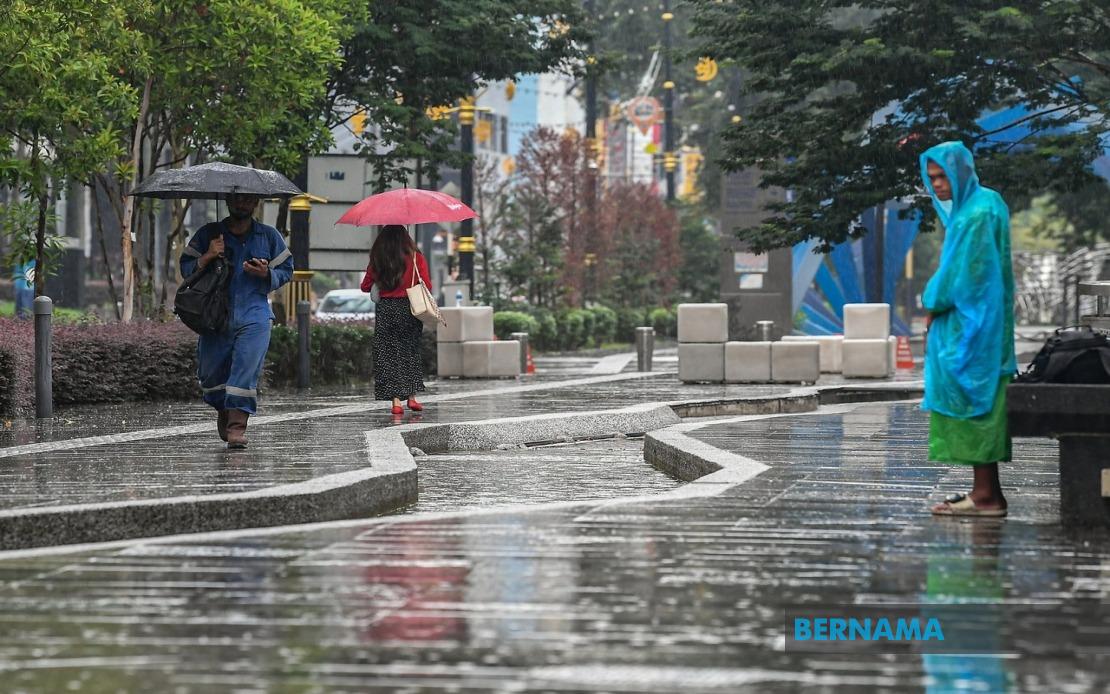
The Johor state election machinery faces tropical weather challenges tomorrow as the Malaysian Meteorological Department issued forecasts indicating rainfall across more than two-thirds of the state's districts during the crucial nomination process. The prediction poses logistical and attendance concerns for the 16th Johor state election, which represents a significant electoral moment for peninsular Malaysia's second-largest state by population.
According to Azlai Ta'at, the state director of MetMalaysia, downpours are anticipated to strike Johor Bahru, Muar, Batu Pahat, Kota Tinggi, Pontian, Tangkak and Kulai during morning hours when the nomination process unfolds. By contrast, Segamat, Kluang and Mersing are expected to enjoy clearer skies at sunrise, offering temporary relief in these three districts. The weather disparity across Johor underscores the state's diverse geographical and climatic zones, creating uneven conditions for the election's opening phase.
Temperature variations will compound the weather experience, with MetMalaysia predicting minimum readings between 24 and 25 degrees Celsius throughout the state, while daytime highs will climb to between 31 and 34 degrees Celsius. Segamat is singled out as the hottest district, potentially reaching 34 degrees at its peak. This combination of morning rainfall and afternoon heat creates challenging environmental circumstances for candidates, party representatives and supporters gathering at 56 nomination centres between 9 am and 10 am to lodge their candidacies.
The afternoon transition brings escalating atmospheric instability. MetMalaysia has issued thunderstorm alerts for Johor Bahru, Segamat, Kluang, Kota Tinggi, Pontian, Mersing and Kulai, while Batu Pahat and Tangkak face continuing rain prospects. Muar alone is forecast to experience hot, clear conditions, providing relief in a single district. The thunderstorms are particularly significant because they coincide with the official commencement of the election campaign period, which begins immediately after the returning officers announce eligible candidates following the morning nomination closure.
The meteorological challenges arrive as three distinct political coalitions prepare for an intensified contest. Pakatan Harapan mobilizes across all 56 seats, deploying 20 PKR candidates, 19 Amanah representatives and 17 DAP competitors, presenting a coordinated three-party challenge. Barisan Nasional fields its traditional composition of 36 UMNO members, 16 MCA candidates and four MIC representatives, maintaining its dominant incumbent position across all available seats. Perikatan Nasional fragments its resources more widely: PAS contests 11 seats whilst Bersatu fields 16 candidates, with the Malaysian Indian People's Party contributing five hopefuls and Pejuang entering a single contest.
Additional challenger parties have registered campaigns beyond the three major coalitions. The Malaysian United Democratic Alliance participates with four candidates, whilst Parti Sosialis Malaysia fields a single contestant. Parti Bersama Malaysia marks its electoral debut by contesting 15 seats, representing a notable new entry into Johor's political landscape. This fragmentation means that wet weather will affect not only establishment players but also emerging political forces seeking breakthrough performances in a state where incumbency remains entrenched.
The election framework encompasses a substantial electorate by Southeast Asian standards. The Election Commission reports 2,727,926 registered voters comprising ordinary citizens, military personnel with spouses and police officers with spouses. This voting population places Johor among Malaysia's larger electoral contests, making weather conditions during nomination day symbolically important even if not directly impacting the ultimate outcome. The nomination process itself concludes by 10 am, after which the electoral calendar accelerates: early voting is scheduled for July 7 and main polling day occurs on July 11.
For Malaysian electoral observers and regional analysts, the Johor contest represents an important barometer of peninsular political sentiment. The state's geographic proximity to Singapore, its status as Malaysia's industrial heartland and its historical role as a Barisan Nasional fortress make its outcomes consequential for national politics. The nomination phase, despite weather impediments, typically attracts substantial supporter mobilization as candidates seek to project momentum and organizational strength. Morning rainfall may suppress casual attendance, potentially concentrating gatherings among committed party activists rather than broader supporter bases.
The meteorological department's explicit advisory to candidates and supporters reflects operational awareness that tropical weather can disrupt electoral processes. The admonition to remain alert to changing conditions acknowledges that forecasts in equatorial regions can shift rapidly, with afternoon thunderstorms potentially arriving earlier or more intensely than predicted. This unpredictability means campaign organizations must maintain flexibility while executing their nomination day strategies, potentially relocating equipment or personnel based on real-time meteorological developments.
Beyond immediate logistical implications, the weather patterns highlight how Southeast Asian election management must accommodate tropical climate realities that rival democracies in temperate zones rarely encounter. Campaign mobilization, voter registration, nomination ceremonies and polling operations all occur within environments where seasonal rainfall and thunderstorms represent routine occurrences rather than exceptional circumstances. The Johor nomination process, despite wet conditions, will proceed as scheduled, demonstrating institutional resilience that regional electoral systems have developed across decades of tropical election management.

