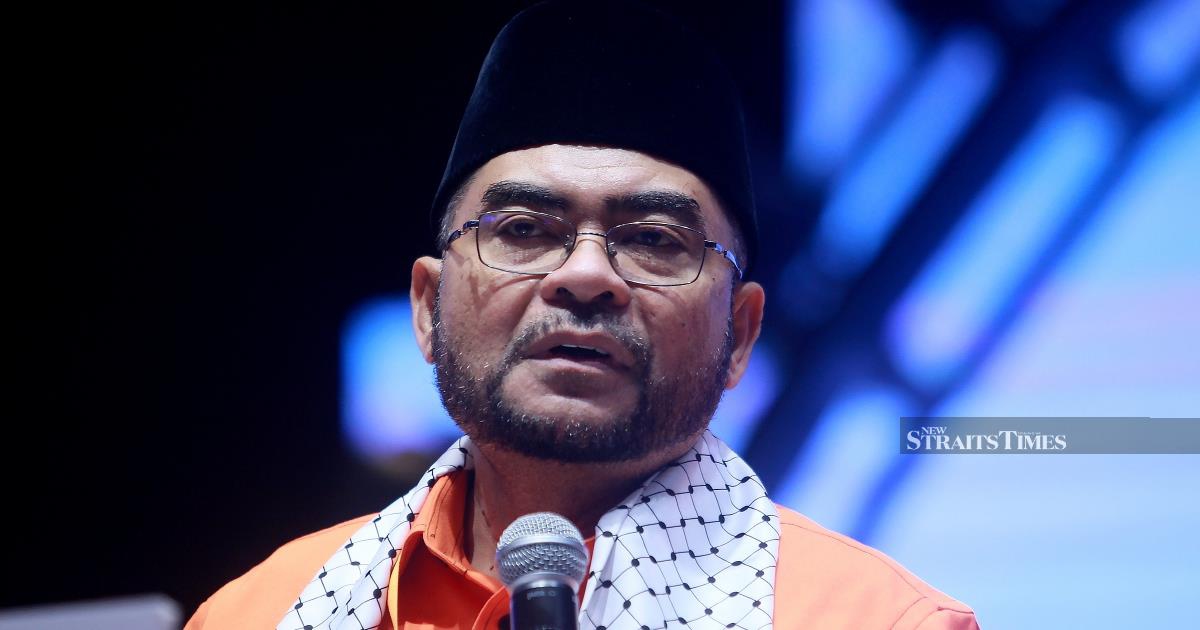
Datuk Seri Dr Mujahid Yusof Rawa, who previously served as Minister in the Prime Minister's Department (Religious Affairs), has declared that findings from the Tabung Haji Royal Commission of Inquiry vindicate him against accusations that surfaced while he held the position. The former minister's statement marks a significant development in the ongoing scrutiny of Malaysia's largest pilgrimage management institution, which has faced considerable public and parliamentary attention over governance and financial concerns in recent years.
The Tabung Haji RCI was established following widespread concerns about the fund's operations and management practices. As the body responsible for administering the hajj pilgrimage for Malaysian Muslims—a role encompassing substantial financial assets and the handling of deposits from hundreds of thousands of pilgrims—the organisation's governance has attracted heightened scrutiny. The inquiry sought to examine alleged irregularities and determine accountability among officials who oversaw the institution during critical periods.
Mujahid's role as Minister in the Prime Minister's Department (Religious Affairs) placed him in an oversight capacity for religious matters, including Tabung Haji operations. During his tenure, various allegations emerged concerning management decisions and institutional practices. The former minister's assertion that the RCI report has exonerated him suggests that the commission's investigation found insufficient evidence to substantiate the claims directed at him, though the specific nature and scope of those original allegations remain an important contextual matter for understanding the inquiry's conclusions.
The RCI process represents Malaysia's formal mechanism for investigating matters of significant public concern that fall outside the standard government accountability structures. These inquiries carry considerable weight in Malaysian governance, as they typically involve senior judicial or quasi-judicial figures conducting thorough examinations of evidence and witness testimony. An RCI's findings carry substantial credibility and often serve as authoritative bases for policy reform or administrative action.
For Malaysian Muslims, Tabung Haji remains an essential institution, serving as their primary vehicle for saving toward hajj pilgrimage costs while providing secure investment returns. The fund manages billions of ringgit in deposits and has historically been entrusted to safeguard the religious aspirations and financial security of millions of worshippers. Concerns about its governance therefore extend beyond mere bureaucratic matters—they touch upon public trust in religious institutions and the state's stewardship of sacred responsibilities.
The broader context of religious affairs administration in Malaysia has undergone significant changes in recent years, with periodic restructuring of ministerial portfolios and oversight arrangements. Mujahid's tenure occurred during a period of considerable political transition, when questions about departmental efficiency and institutional accountability became more prominent in public discourse. His claim of vindication through the RCI report may help rehabilitate his record on religious affairs stewardship, though it also invites closer examination of what specific allegations the inquiry examined and how thoroughly it assessed the evidence.
For Southeast Asian observers, Malaysia's approach to investigating religious institutions reflects broader regional patterns of state engagement with faith-based organisations. Unlike some neighbouring countries where religious affairs remain largely under community management, Malaysia maintains significant government involvement through dedicated ministries and funds. The RCI mechanism itself demonstrates commitment to transparent, independent scrutiny—a practice that strengthens institutional confidence, particularly when sensitive religious matters are involved.
The timing of Mujahid's statement warrants consideration within Malaysia's evolving political landscape. Public clarity regarding RCI findings helps resolve lingering questions about administrative conduct and builds accountability. However, the full scope of the report's conclusions remains important for public understanding. Transparency regarding which specific allegations were examined and how the commission addressed evidence—rather than simply accepting the former minister's characterisation—serves the broader public interest.
For current and future managers of Tabung Haji, the RCI's investigation and findings likely produce valuable recommendations for strengthening governance frameworks. Whether the inquiry proposed institutional reforms, enhanced oversight mechanisms, or procedural improvements will shape how the fund operates going forward. These recommendations possess significance beyond questions of individual vindication, affecting the security and confidence of millions of Muslim savers.
Mujahid's invocation of the RCI report also reflects broader patterns in Malaysian public discourse, where officials facing allegations often seek validation through formal investigative processes. While such mechanisms serve important functions in establishing facts and assigning responsibility, public understanding frequently hinges on how findings are communicated and interpreted. The former minister's statement represents one perspective on the inquiry's conclusions, and fuller public disclosure of the complete findings would enable more comprehensive assessment.
The Tabung Haji RCI inquiry exemplifies Malaysia's institutional capacity to conduct significant investigations into governance matters affecting millions of citizens. Whether concerning religious institutions, public funds, or administrative conduct, such commissions demonstrate the state's formal commitment to accountability, even when examining sensitive portfolios or investigating figures from previous administrations. The resolution provided by this particular RCI regarding allegations against Mujahid contributes to closing a chapter in recent institutional history.

