Dr Zulkifli Hasan, Minister in the Prime Minister's Department (Religious Affairs), will deliver the findings of the Royal Commission of Inquiry investigating Tabung Haji to lawmakers at a specially convened parliamentary sitting scheduled for next week. The presentation marks a crucial juncture in the long-running saga surrounding the pilgrim savings institution, signalling that the comprehensive investigation into its affairs will now enter the public domain through Malaysia's legislative chamber.
Tabung Haji has faced mounting scrutiny over recent years, with serious questions raised about its financial management, investment decisions, and governance practices. The Islamic pilgrim fund, which administers savings for millions of Malaysian Muslims preparing for their hajj journey to Mecca, manages substantial assets and plays a vital role in facilitating religious observance. Concerns over irregularities and management failings prompted authorities to establish the RCI to conduct an independent, thorough examination of the institution's operations and leadership.
The Royal Commission of Inquiry represents a formal investigative mechanism carrying significant authority and credibility. Such inquiries are typically tasked with examining complex institutional matters and uncovering facts that may have been obscured or inadequately investigated through normal channels. The establishment of an RCI into Tabung Haji signals the gravity with which the government treats the issues at stake, given the institution's importance to the Muslim community and its substantial financial footprint within Malaysia's Islamic financial ecosystem.
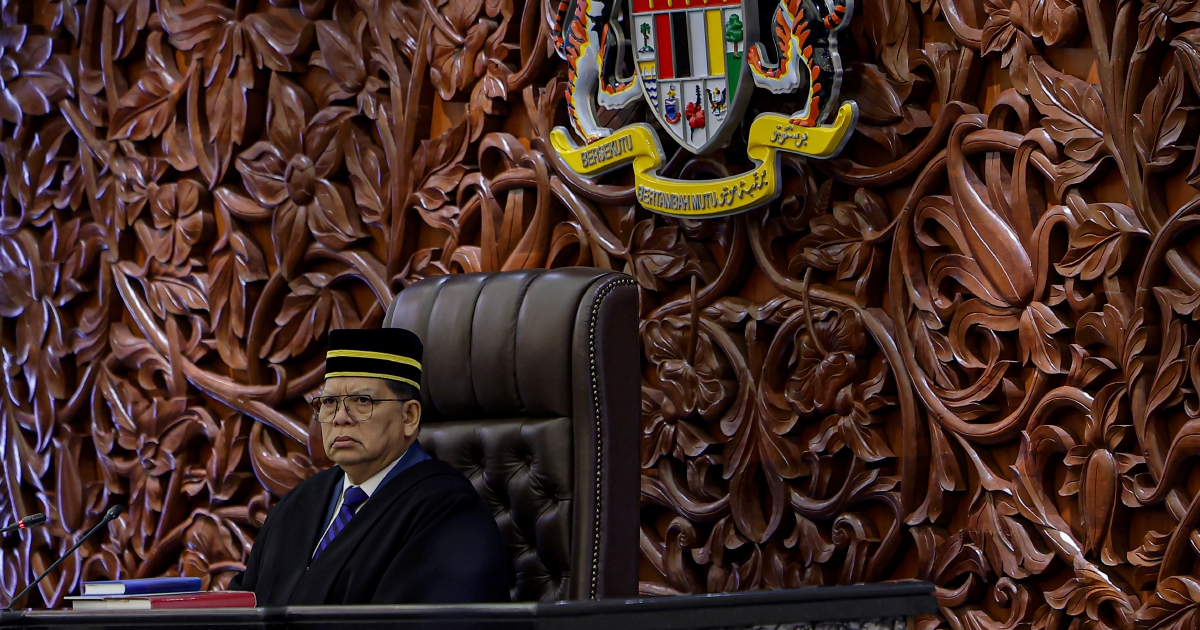
Parliamentary presentation of the RCI findings will subject the investigation's conclusions to broader public scrutiny and accountability. Once tabled in the Dewan Rakyat, the findings become official parliamentary records, accessible to lawmakers, media, and the public. This transparency mechanism allows elected representatives to debate the recommendations and discuss potential remedial measures or policy changes flowing from the inquiry's work.
For Malaysian Muslims and Tabung Haji members specifically, the parliamentary unveiling of these findings offers long-awaited clarity on matters affecting their savings and investments. The hajj pilgrimage represents one of Islam's Five Pillars, and financial planning for this religious obligation carries both spiritual and economic significance. Tabung Haji members have endured uncertainty regarding their funds during the investigation period, making the public presentation of RCI conclusions a significant milestone in resolving this institutional crisis.
The timing of the parliamentary sitting carries political implications as well. Parliamentary business and special sittings are coordinated through careful scheduling, reflecting government priorities and legislative calendars. The specific designation of a special sitting—rather than routine parliamentary sessions—underscores the importance the government attaches to this matter and its commitment to ensuring sufficient parliamentary time for thorough discussion of the RCI's extensive findings.
Regional observers and Malaysian financial analysts will closely monitor the RCI findings, as they may yield lessons applicable to governance within Islamic financial institutions across Southeast Asia. Tabung Haji operates within Malaysia's broader Islamic finance framework, and institutional failings identified could inform regulatory improvements affecting other institutions and funds. The inquiry may also strengthen governance standards and oversight mechanisms across the region's Islamic banking and financial sector.
The RCI process itself typically involves extensive document review, witness testimony, and expert analysis spanning months or years of work. Commissioners examine financial records, interview current and former officials, assess compliance with regulations, and trace decision-making processes. The resulting report synthesises these investigative findings into comprehensive conclusions about what occurred, why institutional problems developed, and what corrective measures should follow. Parliament's receipt of these conclusions represents the culmination of this substantial investigative effort.
Lawmakers from various political parties will have opportunity to question the minister and debate the RCI's recommendations. This parliamentary forum allows representatives to probe whether proposed reforms adequately address identified problems and whether accountability mechanisms hold responsible parties answerable for past failures. Opposition scrutiny and government response during parliamentary debate will further illuminate the inquiry's implications and anticipated remedial actions.
The presentation also sets the stage for potential legislative or administrative responses. Depending on the RCI's conclusions, the government may consider statutory reforms to Tabung Haji's governance structure, enhanced regulatory oversight, management changes, or investor compensation mechanisms. The specific recommendations emerging from the inquiry will likely shape the government's policy response in coming weeks and months.
For Tabung Haji members and the broader Malaysian Muslim community, parliamentary presentation of RCI findings represents movement toward resolution and institutional renewal. After an extended period of investigation and uncertainty, the formal public release of conclusions provides the foundation for rebuilding confidence in an institution central to Islamic life in Malaysia. Effective remedial action following the inquiry's recommendations will be essential to restoring stakeholder trust and ensuring Tabung Haji can fulfil its mission of supporting Malaysian Muslims' pilgrimage aspirations for generations ahead.

