A coordinated nationwide initiative will see Islamic scholars and religious leaders explaining the findings of the Royal Commission of Inquiry into Lembaga Tabung Haji (TH) to the Malaysian public, according to Datuk Seri Dr Mujahid Yusof Rawa, who previously served as Minister in the Prime Minister's Department (Religious Affairs). The campaign aims to ensure that depositors and the broader Muslim community gain a thorough understanding of how the institution's funds were managed and the circumstances that led to the inquiry. The effort represents an attempt to restore public confidence in an institution that has been the subject of significant scrutiny in recent years.
The outreach campaign will utilise multiple channels to reach Malaysian Muslims, including mosques, surau, schools, government departments, colleges, universities and community education platforms. By leveraging these established networks, organisers believe they can achieve comprehensive coverage and ensure the message reaches diverse segments of society. This multi-channel approach reflects the recognition that understanding complex financial and governance issues requires repeated exposure to clear explanations through trusted local institutions where communities already gather.
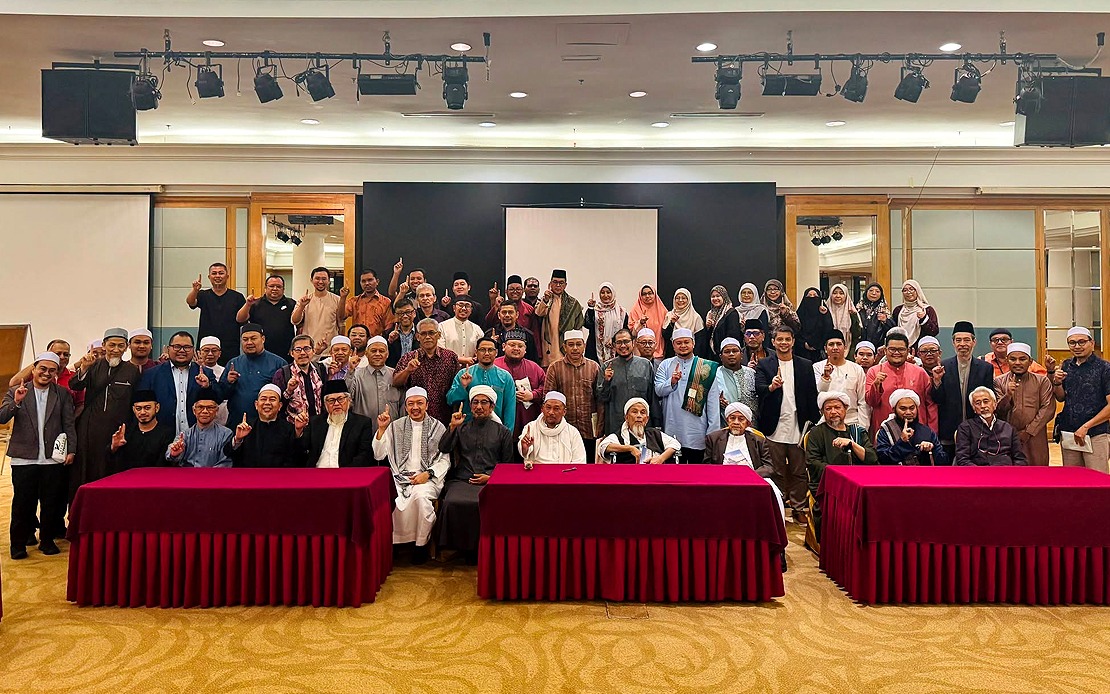
The initiative emerged from a special conference called Hifz al-Mal, which brought together more than 100 Islamic scholars and religious leaders from across Malaysia on August 16. The conference title, referencing the Islamic principle of protecting wealth, underscores the theological dimension organisers wish to emphasise. By framing the issue within this religious context, the conference sought to position the safeguarding of Tabung Haji's deposits not merely as a financial or administrative matter, but as a religious obligation and moral imperative for the Muslim community.
According to Dr Mujahid, who is also Amanah deputy president, the core objectives driving the initiative are straightforward but significant: ensure the facts are clearly communicated, maintain public trust in the institution, and prevent future misuse of depositors' assets. He emphasised that Tabung Haji operates as a trust held on behalf of the Muslim community, making the protection of 9.7 million depositors' savings a shared responsibility rather than the concern of government officials or financial professionals alone. This framing attempts to mobilise grassroots support for institutional reform and oversight.
The Malaysian Ulama Secretariat organised the August conference in collaboration with Malaysian Ulama Council Mursyid al-'Am (Spiritual Leader) Abdul Rahim Abdul Rahman at De Palma Hotel in Ampang. The choice of organisers reflects an effort to ensure the initiative carries religious authority and legitimacy within Muslim communities. By positioning the campaign under established religious institutions, rather than government agencies alone, organisers hope to enhance credibility and receptiveness among the target audience.
What distinguished the conference was its deliberate assembly of diverse professional expertise alongside religious scholars. Participants included chartered accountants, economic commentators, legal practitioners, religious educators and pondok scholars. This multidisciplinary approach enabled discussion of the RCI findings from religious, financial, economic, accounting, legal and governance perspectives simultaneously. The integration of professional expertise with religious authority represents an attempt to address both the technical complexities and moral dimensions of the Tabung Haji situation comprehensively.
The conference featured main sessions examining the RCI findings from a professional standpoint alongside discussions about the roles religious figures and communities play in understanding and safeguarding the institution. This dual focus acknowledges that restoring confidence in Tabung Haji requires both technical corrections to governance and financial systems, as well as moral and religious reinforcement of the community's stake in protecting the institution. Neither approach alone would suffice to address the multifaceted challenges the inquiry identified.
For Malaysian Muslims planning to undertake the haj pilgrimage, the Tabung Haji issue carries particular resonance. The institution's primary function is managing savings that enable ordinary Muslims to afford this significant religious obligation. When governance failures or mismanagement compromise depositors' funds, the impact extends beyond financial loss to affect religious practice itself. This connection between financial stewardship and religious obligation explains why religious leaders are positioned as central to the awareness campaign rather than peripheral to it.
The nationwide rollout of this awareness campaign signals recognition that restoring institutional trust requires sustained, grassroots communication rather than occasional official statements. By training and empowering religious scholars to explain the RCI findings through existing community structures, organisers aim to create multiple touchpoints where depositors can engage with information and raise concerns. This decentralised approach may prove more effective than centralised messaging in building confidence among diverse communities across Malaysia.
The implications of this campaign extend beyond Tabung Haji itself. The initiative demonstrates how Malaysian institutions are leveraging religious authority and community networks to address governance crises and rebuild public trust following institutional failures. For depositors who may have felt powerless during the inquiry process, the campaign offers an opportunity to engage with findings directly and participate in discussions about safeguarding mechanisms. Whether this grassroots approach successfully restores confidence will become apparent as the campaign unfolds across Malaysian communities in coming months.

