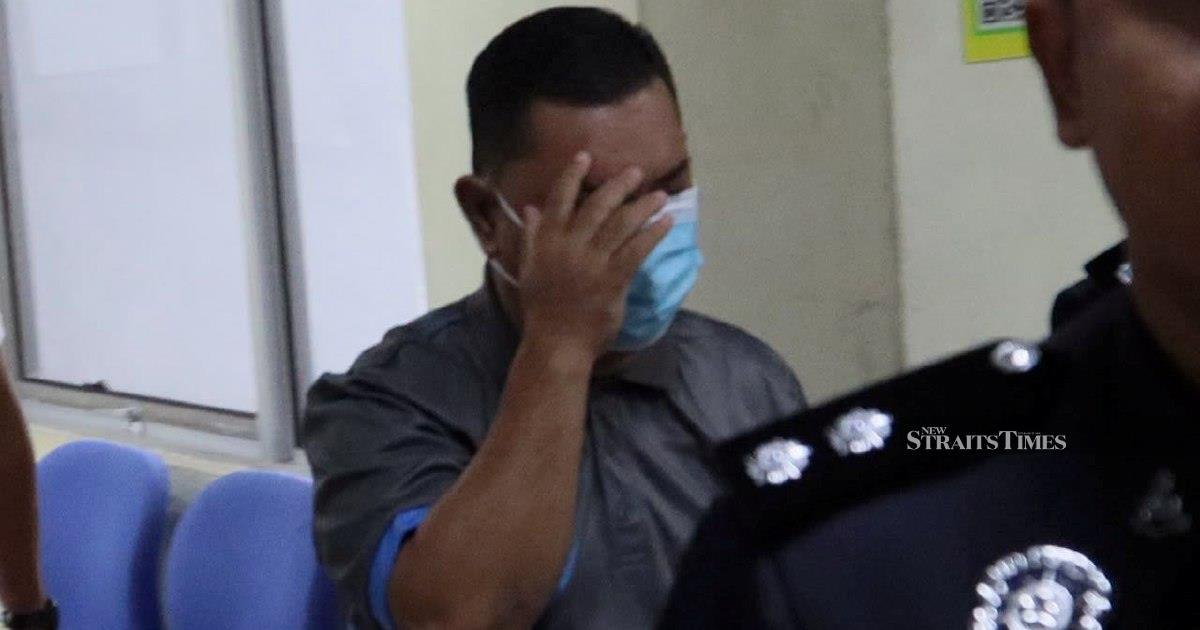
A teacher at a religious school in Butterworth appeared before the Sessions Court today to face eight serious charges related to sexual assault and the outraging of modesty involving multiple male students under his care. The allegations represent a significant breach of trust within an educational setting, raising questions about institutional oversight and the welfare protocols in place to protect vulnerable pupils.
The case has emerged against a backdrop of growing national concern about child safety in schools across Malaysia. Educational institutions, particularly those with religious affiliations that command considerable community respect, occupy a position of particular responsibility. When allegations of sexual misconduct surface within such establishments, they strike at the heart of parental confidence in the system tasked with nurturing young people during formative years.
The specific nature of charges involving both sexual assault and outraging the modesty of students suggests a pattern of behaviour spanning potentially multiple incidents. In Malaysian law, these distinct charges carry different weight and implications, with sexual assault constituting a more grave offense than indecency charges. The plurality of counts indicates that investigating authorities identified sufficient evidence to proceed on multiple occasions rather than treating this as an isolated lapse.
For parents and guardians in Selangor and across the country, such cases fuel legitimate anxieties about what happens behind school gates and in premises where children spend considerable portions of their day. The confidence parents place in institutions depends fundamentally upon the vetting, training, and behavioural monitoring of staff members who interact directly with pupils. In religious schools particularly, where teachers often occupy positions of spiritual authority alongside educational responsibility, the breach becomes especially consequential.
The legal process ahead will require careful examination of evidence and testimony. The Sessions Court proceedings will determine whether charges can be substantiated beyond reasonable doubt, a standard crucial to protecting both potential victims and ensuring the accused receives fair treatment under Malaysian law. The seriousness of sexual assault charges means courts will weigh evidence meticulously, given the profound implications for all parties involved.
Institutional accountability extends beyond the individual teacher. Questions will inevitably surface regarding whether the school's management, governance structures, and reporting mechanisms functioned adequately to identify and respond to concerning behaviour. Educational facilities have a duty to establish clear reporting pathways, ensure staff receive appropriate safeguarding training, and create environments where students feel secure approaching authorities with concerns. In Malaysia, where hierarchical structures often discourage reporting to superiors, schools must actively work to counter such cultural patterns.
The incident also reflects broader Southeast Asian patterns regarding institutional abuse within educational settings. Countries across the region have grappled with high-profile cases of teacher misconduct, often revealing systemic weaknesses in complaint mechanisms, investigative procedures, and preventative frameworks. Malaysia's experience joins a concerning regional narrative that demands comprehensive policy responses beyond individual prosecutions.
For Malaysian education officials, this case underscores the necessity of robust background checking procedures, mandatory training on recognising abuse indicators, and transparent complaint mechanisms accessible to students and parents alike. International best practices in child safeguarding increasingly emphasise prevention and early detection rather than relying solely on post-incident prosecution. Creating school cultures where students understand appropriate boundaries and feel empowered to report violations represents a critical investment in institutional integrity.
The religious school context introduces additional considerations. Faith-based institutions sometimes operate with different governance structures than state schools, potentially involving lay committees or religious authorities in management decisions. While religious education plays a valued role in Malaysian society, it cannot serve as a shield against the application of child protection standards. Religious principles themselves, properly understood, demand protection of vulnerable members from exploitation and harm.
As the trial progresses through the Malaysian courts, the outcomes will carry implications beyond the immediate case. Successful prosecution strengthens institutional deterrence against potential abusers; conversely, procedural failures or acquittals can undermine public confidence in protective systems. Either way, the case will likely prompt Malaysian schools to reassess their safeguarding frameworks and consider whether current measures adequately protect student welfare.
For students at the school involved, the experience of such allegations carries psychological and social dimensions requiring careful attention. Schools should consider whether counselling services, trauma-informed support, and measures to restore a sense of safety and normalcy are available to affected pupils. The institutional response to crisis situations often determines long-term impacts on student wellbeing and educational outcomes.
Moving forward, this case serves as a reminder that protecting children demands constant vigilance across all educational settings. Parents, school administrators, teachers, and policymakers must recognise that safeguarding frameworks represent not burdensome bureaucracy but essential infrastructure for maintaining the trust upon which effective education depends. Malaysia's education system, serving millions of young people, can only fulfil its potential when students can learn in environments free from exploitation and abuse.

