A fleet of aircraft carried the remains of 15 Indian tourists back to their homeland on Monday, concluding a tragic chapter that unfolded when a speedboat capsized in Vietnamese waters just days earlier. The Indian Embassy coordinated the repatriation effort, with the flight from Ho Chi Minh City arriving in Mumbai late Monday evening, marking the first stage of a sorrowful journey for grieving families spread across three Indian states. The coordination between diplomatic missions and state authorities underscores the scale of the disaster and its implications for bilateral tourism ties between India and Vietnam, two nations increasingly interlinked through travel and commerce.
The maritime disaster claimed its victims on Saturday afternoon when the speedboat, carrying 32 Indian tourists and four Vietnamese crew members, overturned near Hon May Rut Ngoai island off the coast of Phu Quoc, Vietnam's largest and most commercially developed island destination. The vessel had departed from the island only moments before encountering the conditions that led to its capsizing. Among those who lost their lives were ten residents of Tamil Nadu, three from Andhra Pradesh, and two from Kerala, reflecting India's geographically dispersed middle class that increasingly funds overseas leisure travel. The distribution of casualties across multiple states has compounded the tragedy, requiring coordinated relief efforts and hospital arrangements stretching from southern coastal regions to inland administrative centres.
The speedboat was operating as part of a corporate leisure initiative organised by Lava International, a Uttar Pradesh-based smartphone and consumer electronics manufacturer. The company had assembled employees, distributors, and retail partners for what was intended to be a morale-boosting excursion—a common practice among Indian firms seeking to reward and strengthen bonds with their commercial networks. The context reveals how such recreational outings, while routine in corporate culture, carry inherent risks when conducted in less regulated maritime environments, a pattern that occasionally surfaces in media reports across Southeast Asian tourist destinations.
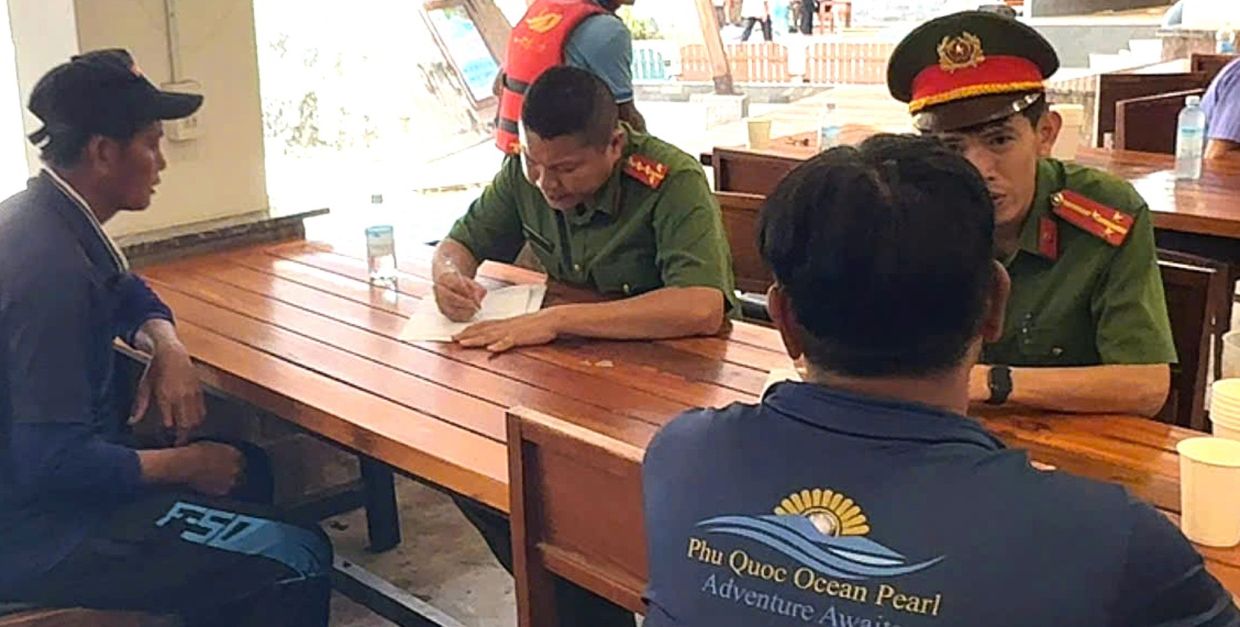
Authorities have placed the speedboat's captain, Nguyen Hong Hai, 57, under investigation for alleged breaches of waterway transport safety regulations, according to state media reports. The investigation will likely examine whether the vessel met prescribed safety standards, whether weather warnings were properly heeded, and whether passenger safety protocols were observed. Such investigations typically take weeks or months to conclude, but early indications point toward operational decisions made despite deteriorating conditions—a finding that would have implications for Vietnamese tourism safety oversight and potentially influence insurance claims and legal liability determinations.
Eyewitness accounts from survivors paint a picture of sudden meteorological violence overwhelming the boat's capacity to respond. Nirmal Kumar, a 44-year-old businessman and survivor, described how what had begun as an ordinary pleasure excursion rapidly descended into chaos when a storm engulfed the vessel. He recounted how a large wave struck the boat, initiating panic among passengers as the vessel rocked violently in mounting waves. Kumar's testimony captures the disorientation and terror of such moments—passengers rushing between sides of the boat in futile attempts to maintain balance, some choosing to leap into turbulent waters rather than remain aboard. Within five minutes, rescue personnel had arrived and began extracting survivors from the sea, a swift response that likely prevented additional fatalities.
The psychological aftermath weighs heavily on survivors. Kumar revealed that the experience has left him traumatised, compounded by the loss of a childhood friend who had accompanied him on the trip. The contradiction between anticipation—expecting to create lasting memories—and catastrophic loss creates profound trauma that extends far beyond physical injuries. Such accounts emphasise how maritime disasters inflict emotional scarring on survivors alongside the immediate grief affecting families of the deceased, a dimension often overlooked in initial disaster reporting but evident in long-term support needs.
Sixteen survivors were discharged from hospitals and departed for India, while one individual remained in critical condition and required transfer to Cho Ray Hospital, one of Vietnam's premier public medical institutions located in Ho Chi Minh City. The patient, a 49-year-old man, sustained severe pulmonary damage from near-drowning, compounded by shock, multiple traumatic injuries, and intracranial bleeding. Dr. Tran Thanh Linh, heading the intensive care unit, reported modest improvements in blood pressure and oxygen saturation—vital signs that signal the difference between recovery and deterioration in critical care settings. The involvement of Vietnam's top medical facilities underscores the seriousness of the injuries and the bilateral medical coordination required to manage catastrophic trauma cases.
The disaster site, located approximately ten kilometres south of Phu Quoc, sits within one of Southeast Asia's most celebrated tourist zones. Phu Quoc and its surrounding waters are internationally marketed for white sandy beaches and crystalline waters, attracting millions of domestic and international visitors annually. The juxtaposition between the region's carefully cultivated image as an idyllic leisure destination and the sudden tragedy that unfolded just offshore highlights an uncomfortable reality in mass tourism: concentrated visitor numbers and intense commercial pressure sometimes outpace safety infrastructure development.
India represents one of Vietnam's most rapidly expanding tourism markets, reflecting rising disposable incomes among India's burgeoning middle class and Vietnamese authorities' strategic marketing efforts targeting South Asian visitors. This tragedy will inevitably influence travel patterns and booking behaviour among Indian tourists in the coming months, particularly affecting Phu Quoc and similar island destinations. Tourism boards and hospitality operators across Vietnam may face increased scrutiny regarding maritime safety standards, life jacket provisions, and crew training protocols. The incident serves as a reminder that tourism growth, while economically beneficial, demands corresponding investment in safety infrastructure and regulatory enforcement—an imperative that applies across the region.

