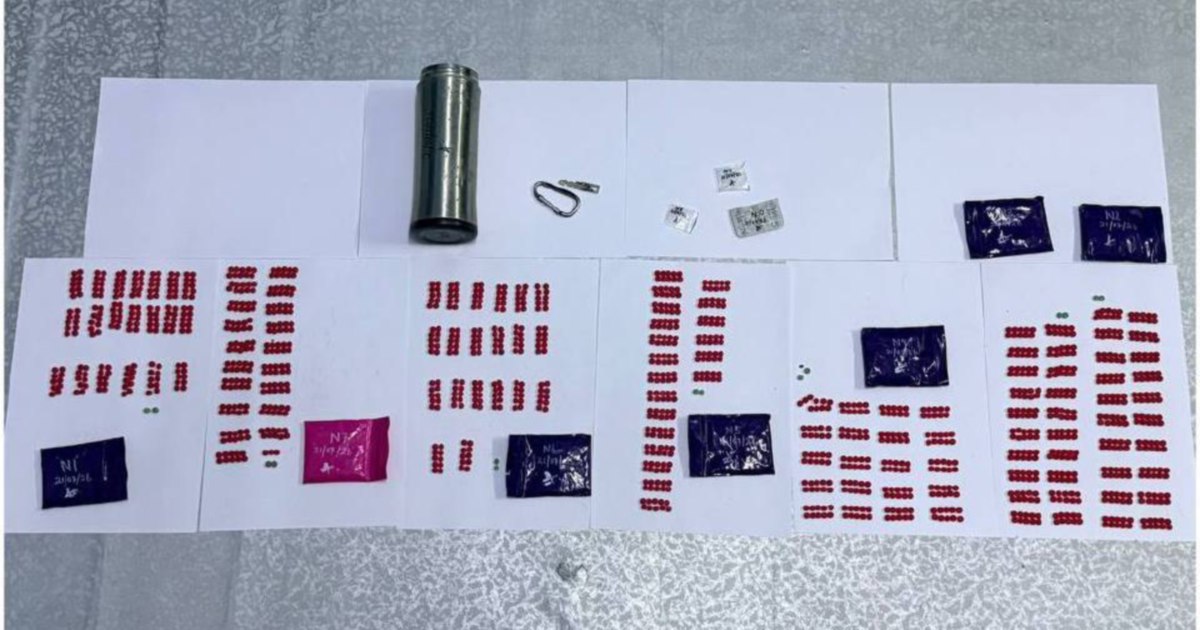
Police operations in the Gombak district have resulted in the arrest of multiple suspects, among them a man carrying a substantial criminal record tied to drug-related offences. The individual, whose background comprises six previous drug convictions, was apprehended during coordinated raids executed by the Gombak Operation Force, an enforcement unit focused on disrupting illicit drug networks within the area.
The inclusion of a repeat offender with such an extensive prior history within this operation underscores the persistent challenge Malaysian law enforcement faces in containing the activities of habitual criminals. Individuals who cycle through the criminal justice system for drug-related infractions frequently return to illicit activities upon release, a pattern that complicates enforcement efforts across the country. The Kuala Lumpur and surrounding Klang Valley region, which includes Gombak, represents a particularly active zone for such criminal behaviour, given its density of urban centres and transient population.
The Gombak Operation Force, as a specialised unit, operates with the mandate to investigate and apprehend individuals involved in drug trafficking, possession, and distribution. Such targeted operations require coordination across multiple police departments and often involve surveillance, intelligence gathering, and planned raids conducted across several locations simultaneously. The involvement of a suspect with six prior drug convictions suggests that police intelligence operations had flagged this individual as likely to re-engage in narcotics activity, warranting inclusion in this enforcement sweep.
The broader context of drug enforcement in Malaysia reveals an ongoing tension between supply-side interdiction and demand-side reduction. While operations like those conducted by the Gombak Operation Force focus on disrupting supply chains and apprehending dealers and traffickers, the recidivism of offenders points to systemic gaps in rehabilitation and reintegration programmes. Malaysia's approach to drug crime has traditionally emphasised prosecution and incarceration, yet the reappearance of convicted offenders in arrest reports suggests that custodial sentences alone may not address the underlying factors driving continued participation in narcotics trafficking.
The socioeconomic backdrop of drug-related crime in urban Malaysia cannot be overlooked. The Gombak area, like many parts of Kuala Lumpur, contains pockets of economic marginalisation where employment opportunities are limited and informal economies—including drug distribution networks—provide income for vulnerable populations. Understanding the mechanisms that push individuals back into criminal activity after release from prison is essential for developing more effective long-term deterrence strategies.
From a regional perspective, Malaysia's drug enforcement challenges reflect broader Southeast Asian trends. The region serves as a transit point for major drug trafficking routes, particularly heroin, methamphetamine, and fentanyl originating from the Golden Triangle and destined for markets across Asia and beyond. Domestic consumption has also risen significantly, creating local demand that fuels internal supply networks. Law enforcement agencies across the region increasingly recognise that addressing drug crime requires not only tactical operations but also intelligence-sharing with neighbouring countries and coordinated border management.
The arrest of multiple suspects in a single enforcement operation typically generates valuable intelligence about distribution networks, supply sources, and end-user markets. When such operations ensnare experienced offenders with lengthy criminal histories, interrogations can yield information about operational patterns, key figures in trafficking organisations, and the methods by which narcotics are moved through urban centres. This intelligence often feeds into subsequent operations targeting higher-level actors in the supply chain.
For Malaysian citizens and residents, the visibility of such enforcement operations serves an important function in demonstrating active police engagement with drug crime. Public perception of police effectiveness in combating narcotics trafficking influences community cooperation, which itself is essential for intelligence gathering. The Gombak Operation Force's activities, if communicated effectively, can reinforce the message that recreational drug use and small-scale dealing carry real risk of apprehension and legal consequences.
The sentencing and management of individuals with multiple drug convictions remains a policy challenge for Malaysian authorities. Repeat offenders present a dilemma: incarceration removes them from the street temporarily, yet imprisonment without meaningful rehabilitation programming can entrench criminal networks and reinforce identities built around drug dealing. Post-release support systems, including employment assistance and substance abuse treatment, remain underdeveloped in many jurisdictions, leaving released offenders with few alternatives to returning to the narcotics trade.
Looking ahead, the success of operations like those conducted by the Gombak Operation Force will ultimately be measured not merely by arrest numbers but by whether they disrupt the economic viability of local drug markets and whether they provide intelligence that reaches higher-level traffickers. Simultaneously, Malaysia must grapple with whether its current enforcement paradigm, when applied in isolation from rehabilitation and prevention initiatives, can genuinely reduce drug-related crime or merely manage it cyclically.

