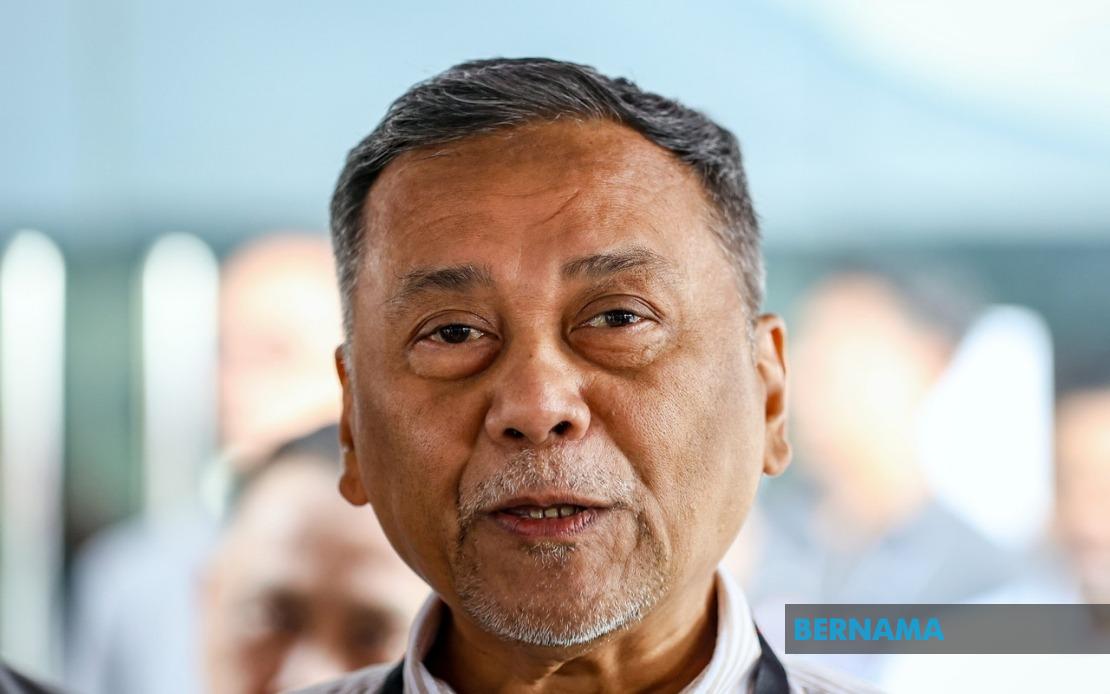
With polling day for the Johor state election just hours away, Malaysia's Election Commission has clarified its approach to handling campaign materials that breach electoral guidelines, distinguishing between physical and digital offences and outlining separate complaint channels for each. Election Commission Chairman Datuk Seri Ramlan Harun made the directive during an inspection of ballot box checking facilities in Pontian on July 10, emphasising that the public should channel complaints about online posters and digital campaign content directly to the Malaysian Communications and Multimedia Commission rather than to the EC itself.
The clarification comes as enforcement authorities have already begun removing unauthorised physical campaign materials from various locations across the state following public reports. Datuk Seri Ramlan explained that when posters and banners appear in physical spaces without proper authorisation, the EC's enforcement team responds by taking them down once complaints are registered. This reactive approach reflects the practical challenges of monitoring campaign conduct across a state the size of Johor, where materials can be posted at numerous locations simultaneously. The physical removal process, he noted, has already commenced at several sites, demonstrating the commission's commitment to maintaining electoral standards during the campaign period.
However, the regulatory landscape becomes more complex when campaign materials move into the digital realm. Since online platforms operate under different regulatory frameworks than physical public spaces, the Malaysian Communications and Multimedia Commission holds jurisdiction over content distributed via social media, websites, and other internet-based channels. This jurisdictional boundary reflects Malaysia's approach to regulating online speech and content, where the MCMC serves as the primary authority for monitoring digital communications. By directing complaints about online campaign materials to the MCMC, the Election Commission effectively transfers responsibility for this category of violation to a body better equipped with technological tools and digital monitoring capabilities to identify and remove prohibited content.
The controversy surrounding unauthorised campaign imagery has become a notable issue in this election cycle. Yesterday, UMNO Supreme Council member Datuk Seri Shahaniza Shamsuddin raised concerns about campaign posters and banners featuring the faces of former Prime Minister Datuk Seri Najib Razak and his wife, Datin Seri Rosmah Mansor—neither of whom are contesting the Johor election. Shahaniza, who serves as Pahang UMNO information chief, characterised the use of such images as an extreme tactic that potentially breaches electoral conduct rules. Her objection reflects a broader principle in Malaysian electoral law that campaign materials should focus on actual candidates rather than prominent political figures not directly involved in the specific contest.
The underlying concern with using images of non-candidates involves questions of intent and influence. By featuring recognisable national political figures, campaigns may seek to leverage the popularity or notoriety of these individuals to sway voter sentiment even though those figures carry no direct stake in the election outcome. Shahaniza suggested this approach was designed to instigate public emotion and manipulate voter perceptions, effectively using proxy imagery to campaign indirectly. Such tactics occupy a grey zone in electoral enforcement—while the images themselves may be problematic, determining whether their use violates specific regulations requires careful interpretation of campaign finance and conduct rules.
The distinction between candidate-specific campaign materials and broader political messaging has long been a contentious issue in Malaysian elections. Electoral rules generally require that campaign materials clearly identify which candidate or party they promote and ensure that spending on such materials falls within prescribed limits. When materials feature unrelated figures, determining compliance becomes difficult. Are these materials strictly campaign advertisements subject to regulatory oversight, or do they constitute general political expression protected under broader freedoms? The Election Commission's handling of such cases reveals the practical tensions between maintaining electoral integrity and respecting the space for political discourse during election campaigns.
With 2.7 million voters across Johor preparing to cast ballots in the 16th state election to elect 56 assemblymen, election officials have been working to ensure the process runs smoothly and fairly. The inspection of ballot box checking centres at Dewan Jubli Intan Sultan Ibrahim in Pontian and the Permas Multi-purpose Hall in Kukup underscores the Election Commission's commitment to maintaining transparent procedures throughout the electoral process. These venues serve critical functions in verifying ballot box integrity before voting commences, an essential step in building public confidence in election results.
For Malaysian voters and political observers, the Election Commission's latest guidance highlights the evolving challenges of regulating political campaigns in an increasingly digital age. The split jurisdiction between physical and online materials reflects institutional realities—different agencies possess different regulatory tools and expertise. However, this division also creates potential gaps where violations might slip through if complainants are uncertain about which authority to contact. The Election Commission's explicit instruction to direct MCMC complaints aims to reduce such confusion, though whether all voters and party monitors are aware of this distinction remains uncertain.
The timing of these directives underscores the Election Commission's desire to address campaign conduct issues before voting begins. Election officials face pressure to maintain perceived fairness and legitimacy, particularly when high-profile politicians and their families become subjects of campaign content. The removal of unauthorised physical materials and the clear routing of online complaints demonstrate an attempt to enforce standards consistently, even as different regulatory bodies share responsibility for oversight. How effectively these measures prevent continued violations, and whether they satisfy all parties' concerns about electoral conduct, will become apparent in the days immediately following polling.

