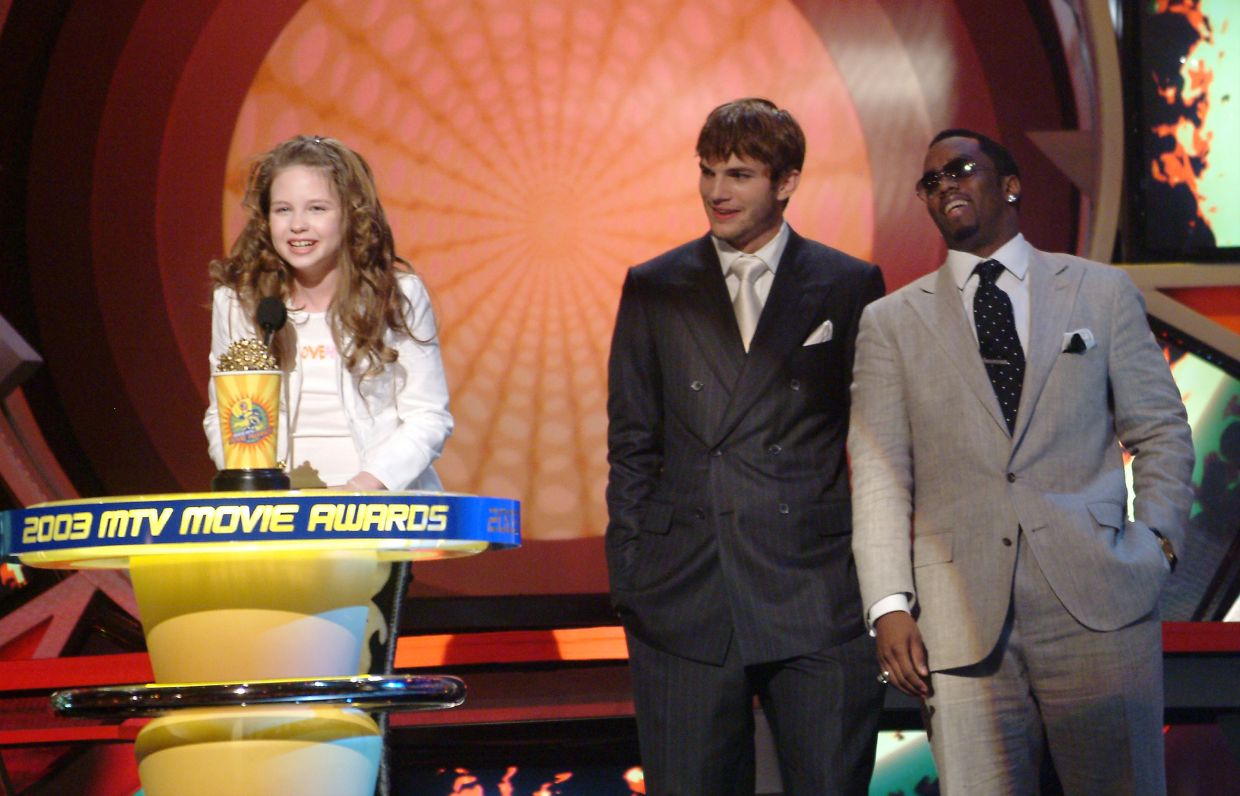
An archival video showing Sean "Diddy" Combs extending an invitation to a preteen Daveigh Chase to attend one of his parties has circulated widely online in the wake of the actress's death, reigniting scrutiny of the music executive's behaviour and associations during the early 2000s. The footage, captured during the 2003 MTV Awards ceremony, has taken on troubling dimensions given subsequent revelations about Combs's conduct and Chase's tragic circumstances in the years that followed.
Chase, best remembered for her haunting performance as Samara Morgan in "The Ring," passed away on June 16 at a Los Angeles hospital at the age of 35. Her father, John Schwallier, disclosed that she succumbed to complications stemming from bacterial meningitis and a severe blood infection, compounded by extreme malnutrition. The actress had been battling substance abuse and homelessness in the months preceding her death, residing on the streets in proximity to the medical facility where she ultimately passed.
The MTV Awards interaction captured on camera presents an uncomfortable moment that has acquired new significance in light of recent developments. Following Chase's presentation of an award alongside actor Ashton Kutcher, Combs approached the young actress with a drink in hand and posed a casual question about her attendance at the evening's exclusive afterparty. The then-12-year-old nodded affirmatively in response, prompting Combs to enthusiastically validate her agreement as Kutcher laughed at the exchange. What may have seemed like innocent celebrity banter at the time now appears fraught with implications given what the public has learned about Combs's later conduct.
Combs has become synonymous with the kind of excessive entertainment industry gatherings that have come under intense legal and social scrutiny. The music mogul was apprehended in September 2024 at the Park Hyatt Hotel in Midtown Manhattan following a federal investigation that would ultimately expose the extent of his alleged misconduct. Federal authorities conducted raids at his residences in Los Angeles and Miami, initiating a legal process that would fundamentally alter his status and reputation.
Central to the charges against the 55-year-old music executive were allegations regarding his so-called "freak-off" parties, described by prosecutors as elaborately staged, drug-saturated events that often extended across multiple days and frequently involved the participation of sex workers. These gatherings allegedly represented a culmination of abusive patterns that prosecutors argued demonstrated systematic exploitation and coercion. The characterization of these events became foundational to the federal government's case against Combs.
Following a comprehensive federal sex trafficking trial conducted in New York, Combs was convicted in July 2025 on two counts of transportation to engage in prostitution. This verdict concluded months of legal proceedings in which prosecutors presented testimony and evidence supporting their allegations. The guilty verdicts carry substantial consequences, as the music producer received a 50-month prison sentence, placing him behind bars at FCI Fort Dix in New Jersey where he currently remains incarcerated.
Beyond the criminal conviction, Combs faces an additional legal siege that extends far beyond the confines of his sex trafficking case. More than 100 civil lawsuits have been filed against the disgraced music magnate, with claimants alleging various forms of abuse and misconduct spanning years. These civil actions represent an ongoing reckoning with his alleged pattern of behaviour, with plaintiffs seeking monetary damages and accountability for their experiences.
For Malaysian and Southeast Asian readers, the Combs saga illuminates how even titans of global entertainment and music industries face eventual accountability through legal mechanisms, though often only after considerable time and damage have accrued. The resurfaced video of his interaction with Chase serves as a stark reminder of power imbalances inherent in entertainment hierarchies, where child actors may be placed in uncomfortable situations with little ability to protect themselves or fully comprehend potential risks.
Chase's personal trajectory from celebrated young actress to someone struggling with addiction and homelessness reflects broader patterns affecting child stars across the industry. The convergence of her tragic circumstances with the revelation of Combs's extensive criminal activities has prompted reflection on how the entertainment world protects—or fails to protect—its youngest and most vulnerable members. Her death at 35, preceded by years of hardship, stands as a sobering counterpoint to her early professional success.
The viral circulation of the MTV Awards clip demonstrates how historical footage acquires new resonance when recontextualised through contemporary understanding of an individual's actions. What appeared innocuous in 2003 now carries troubling undertones given everything subsequently revealed about Combs's behaviour patterns and criminal convictions. This dynamic raises important questions about institutional responsibility and whether industry gatekeepers should have recognised warning signs earlier.
Combs's incarceration and conviction represent a significant moment in Hollywood's reckoning with abuse and exploitation, though critics argue such accountability remains inconsistent and often arrives too late for victims. The scale of civil litigation against him suggests that his alleged misconduct touched numerous individuals across an extended period. For stakeholders in the entertainment industry globally, the case underscores the necessity of robust safeguarding measures and transparent accountability structures that prioritise protection of vulnerable participants.