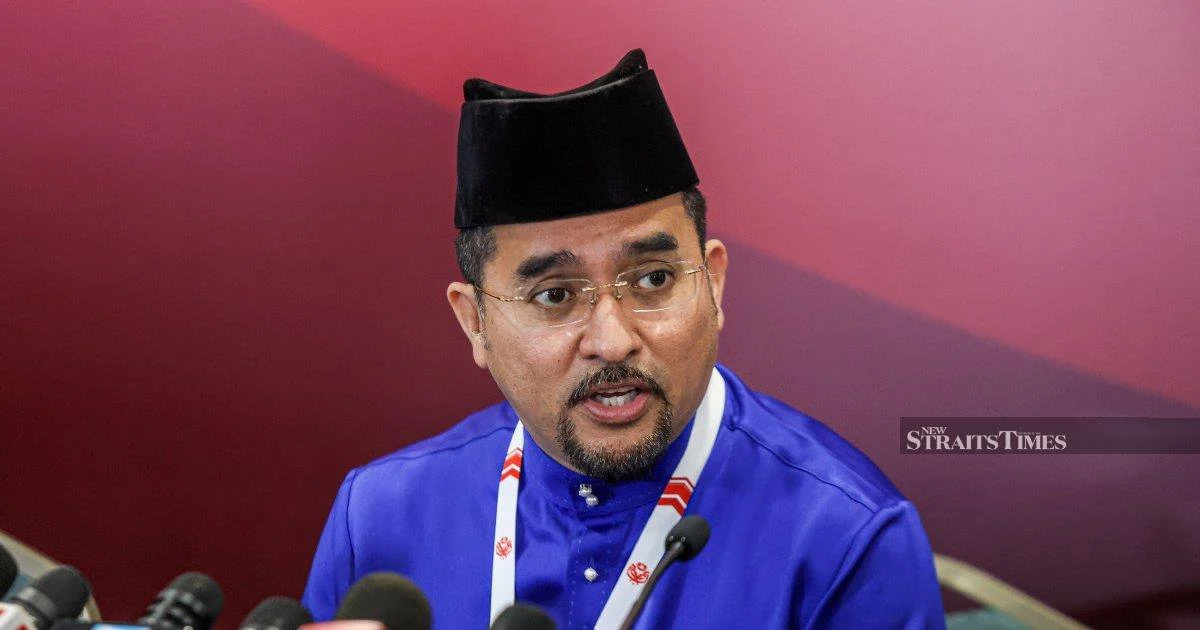
The Barisan Nasional coalition's announcement of its candidates for the Johor state election faced extended delays due to a meticulous vetting procedure implemented by the coalition leadership, according to Umno secretary-general Datuk Dr Asyraf Wajdi Dusuki. The comprehensive review process, designed to ensure candidate quality and party fitness, consumed more time than originally anticipated as officials worked through the selection framework.
Umno's decision to conduct a thorough examination of potential candidates reflects growing scrutiny within the coalition regarding the calibre of representatives fielded in state contests. The party has increasingly emphasised the importance of nominating contenders who meet specified criteria for integrity, competence, and organisational loyalty. Such emphasis carries particular weight in Johor, Malaysia's second-largest state by population and a historically significant BN stronghold that has come under increasing electoral pressure in recent years.
The vetting process typically encompasses background checks, assessment of candidates' track records in their respective fields, evaluation of their standing within party structures, and consideration of local constituency dynamics. Officials must balance competing interests: rewarding long-serving party members with nominations while simultaneously identifying fresh candidates capable of attracting younger voters and countering opposition campaign narratives about entrenched political establishment figures.
For Malaysian observers accustomed to swift electoral timelines, the extended candidate selection period underscores the structural complexities involved in managing a large political coalition spanning multiple parties and factions. Umno, the largest component party within BN, carries particular responsibility for coordinating nominations across various constituencies while managing internal expectations and maintaining party discipline. The process becomes increasingly complicated when sitting representatives seek recontests alongside new aspirants competing for the same seats.
Johor holds particular strategic significance within Malaysia's political landscape. As the nation's fourth-largest state by population and a consistent contributor to federal coalition fortunes, electoral outcomes there reverberate beyond state politics into broader national calculations. Recent state elections across Malaysia have demonstrated that even historically reliable BN territories can experience significant swings when internal party dynamics create openings for opposition candidates or when voter sentiment shifts on particular issues affecting local communities.
The timing of candidate announcements carries electoral consequences that extend beyond mere administrative scheduling. Delayed nominations can create momentum advantages for opposition parties already campaigning actively, allow rival candidates more time to consolidate ground support, and provide media narratives suggesting organisational inefficiency or internal party discord. Conversely, early announcements can energise party grassroots structures and establish candidate visibility within their respective constituencies well before formal campaign periods commence.
Datuk Dr Asyraf Wajdi Dusuki's public explanation regarding the vetting process serves partly to manage expectations and preempt criticism of delayed announcements, framing extended deliberations as evidence of commitment to quality control rather than organisational shortcomings. This messaging approach attempts to demonstrate that Umno leadership takes candidate selection seriously and will not rush decisions merely to meet arbitrary deadlines. Such framing resonates with party faithful invested in coalition electoral prospects and supports the broader narrative that BN candidates represent carefully vetted options deserving voter confidence.
The Johor election timeline must harmonise with multiple institutional frameworks governing Malaysian electoral processes. State elections proceed under distinct constitutional schedules separate from federal parliamentary contests, and coordinating candidate announcements with campaign period declarations, nomination centre opening dates, and polling schedules requires careful administrative choreography. When a coalition as large as BN coordinates selections across multiple component parties and numerous constituencies, organisational complexity multiplies exponentially.
For regional observers, Malaysia's candidate selection processes offer instructive contrasts to electoral systems elsewhere in Southeast Asia. While some nations implement centralised party mechanisms determining candidate allocations with minimal local input, Malaysian political culture emphasises substantial involvement of grassroots party structures in nominations, particularly within Umno. This distributed decision-making approach yields legitimacy and internal party satisfaction but simultaneously demands extensive consultation, consensus-building, and potential arbitration when constituency stakeholders disagree regarding preferred nominees.
The stringency Datuk Dr Asyraf Wajdi Dusuki emphasised reflects evolving attitudes within BN regarding candidate quality standards. Previous electoral disappointments and opposition gains in traditionally BN territories have prompted coalition leadership to examine whether candidate selection mechanisms adequately identify representatives capable of articulating voter concerns and delivering effective constituency service. This self-examination, whilst sometimes framed in terms of procedural rigour, masks underlying debate about whether entrenched political networks sufficiently incorporate emerging talent and respond adequately to demographic and social changes within Malaysia's electorate.
The completed vetting process will soon yield its results through formal candidate nominations and campaign commencement. Success will ultimately be measured not through the selection procedure's stringency but through actual electoral outcomes and whether nominated candidates successfully persuade Johor voters that they merit election. The extended deliberations preceding candidate announcements thus represent merely the preliminary stage in a longer contest for public confidence and electoral support that will unfold across the state's diverse constituencies during the actual campaign period.