A damning audit by Malaysia's Public Accounts Committee has uncovered the loss of RM10.879 billion in cooking oil subsidies that should have benefited ordinary citizens between 2019 and February 2025. The revelation strikes at the heart of government credibility, exposing fundamental weaknesses in how subsidies are distributed, monitored and enforced—a particularly troubling finding given that cooking oil remains a staple commodity essential to household food security across the nation.
The magnitude of this leakage becomes clearer when contextualised against Malaysia's broader fiscal challenges. RM10.879 billion represents a substantial sum that could have been redirected to healthcare, education or infrastructure had it reached its intended recipients. The fact that such a large portion of the subsidy budget simply vanished without reaching consumers raises uncomfortable questions about the institutional capacity and integrity of government agencies tasked with managing these critical support mechanisms.
Government officials have long championed subsidy targeting as the path forward, arguing that narrowly focused assistance prevents wastage and ensures resources concentrate on those most in need. Yet the PAC findings suggest this rationale rings hollow. If Malaysia's subsidy system has supposedly become more refined and efficient—with better data collection, smarter distribution channels and improved market intelligence—how could nearly eleven billion ringgit evaporate? The contradiction exposes either a fundamental misunderstanding of what has actually been achieved in subsidy restructuring, or a troubling unwillingness to acknowledge persistent institutional failures.
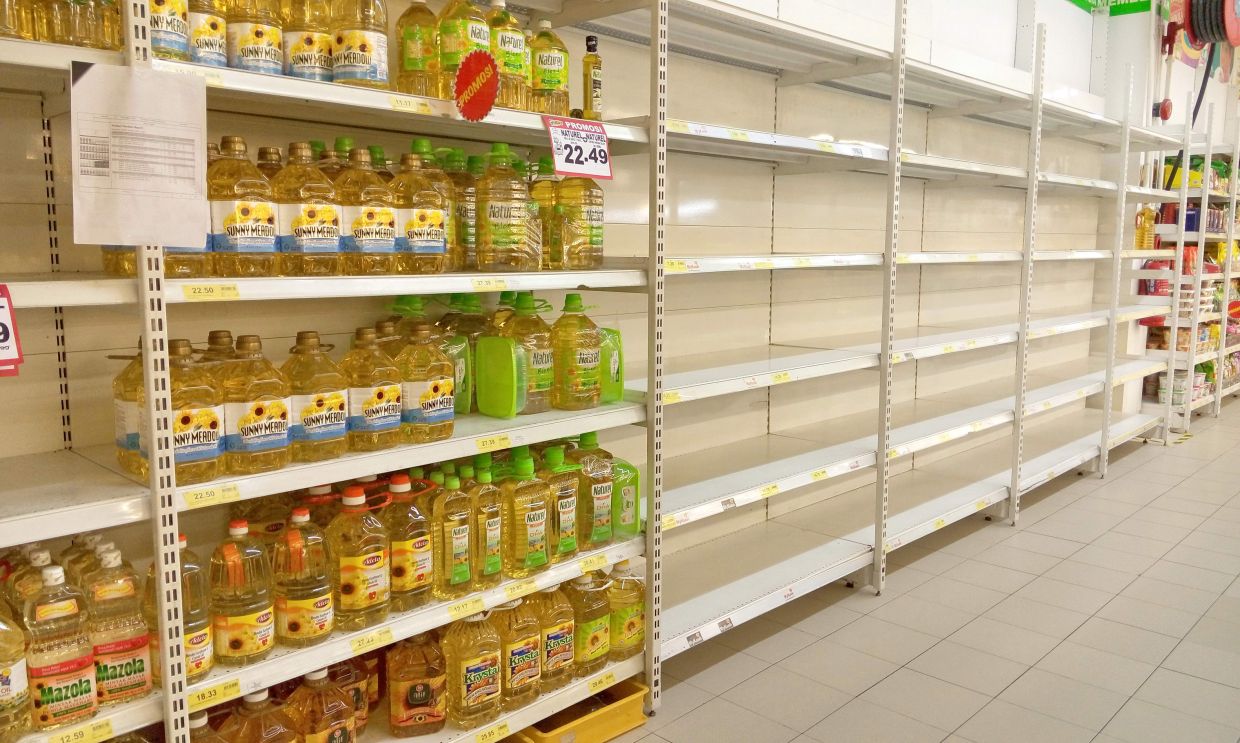
The cooking oil shortage episodes that intermittently grip Malaysian markets provide the most visible manifestation of these systemic failures. Consumers have repeatedly encountered bare supermarket shelves despite government assurances of adequate supplies, creating public frustration and driving parallel informal markets. This disconnection between policy rhetoric and market reality suggests that government agencies lack real-time visibility into where subsidised oil actually flows, how quickly it moves through distribution channels, and whether smuggling, hoarding or diversion to unofficial buyers occurs at various points in the supply chain.
Multiple actors share responsibility for this failure. The Ministry or agency directly administering subsidies must answer for inadequate tracking mechanisms and insufficient enforcement against unscrupulous traders. Price control authorities appear unable to detect when retailers receive subsidised stock yet sell at inflated prices or divert supplies to grey markets. Customs and enforcement agencies have presumably failed to prevent smuggling to neighbouring countries, where price differentials create profitable opportunities for illicit traders. Local authorities and business regulators who should identify and penalise hoarding or artificial scarcity have not been adequately mobilised. Collectively, these gaps suggest not isolated incompetence but rather systemic indifference or resource constraints across multiple government bodies.
The political dimension cannot be ignored. Subsidies carry significant weight in Malaysia's electoral calculations, with governments reluctant to implement reductions that might provoke public anger. This creates perverse incentives: maintaining subsidy levels regardless of outcomes becomes preferable to acknowledging system failures that might necessitate difficult choices. Officials may prioritise maintaining the appearance of stability over investigating where money actually goes. Budget increases can be announced and claimed as victories, even as supply chain problems persist and leakage continues undetected.
Regional comparison provides sobering context. Other Southeast Asian nations confronting similar budget pressures have implemented more transparent subsidy mechanisms, utilising digital payments and direct transfers to eligible households rather than blanket price controls. These approaches generate better audit trails, reduce opportunities for diversion, and can be adjusted more responsively to market conditions. Malaysia's reliance on traditional price controls and supply chain management appears increasingly inadequate for a country of its development level and institutional capacity.
The accountability question becomes urgent. Which officials approved budgets despite awareness of previous diversion problems? Who retained responsibility for monitoring and enforcement, yet failed to implement corrective measures? Why have whistleblowers or investigative journalists not previously exposed such substantial losses? Answering these questions requires not just identifying individual negligence but examining whether institutional incentives reward oversight and honest reporting, or punish those who expose uncomfortable truths.
Moving forward, Malaysia faces a critical juncture. Simply increasing subsidy allocations without addressing underlying governance failures merely throws more money at broken systems. Conversely, abruptly removing subsidies without functional alternatives risks genuine hardship for lower-income households already struggling with cost-of-living pressures. The middle path requires acknowledging that current mechanisms have failed comprehensively, implementing genuinely transformed distribution systems with transparent tracking and real accountability, and being honest with the public about transition timelines and temporary discomforts during reform.
The PAC's findings should catalyse serious institutional reform, not defensive bureaucratic responses. Malaysia's citizens deserve clarity about who permitted this massive leakage, what consequences have been imposed, and what fundamentally different systems will prevent recurrence. Until government agencies demonstrate such accountability and institutional learning, public scepticism toward subsidy programmes—and government economic management more broadly—will only deepen, undermining confidence in Malaysia's ability to address its fiscal challenges effectively.

