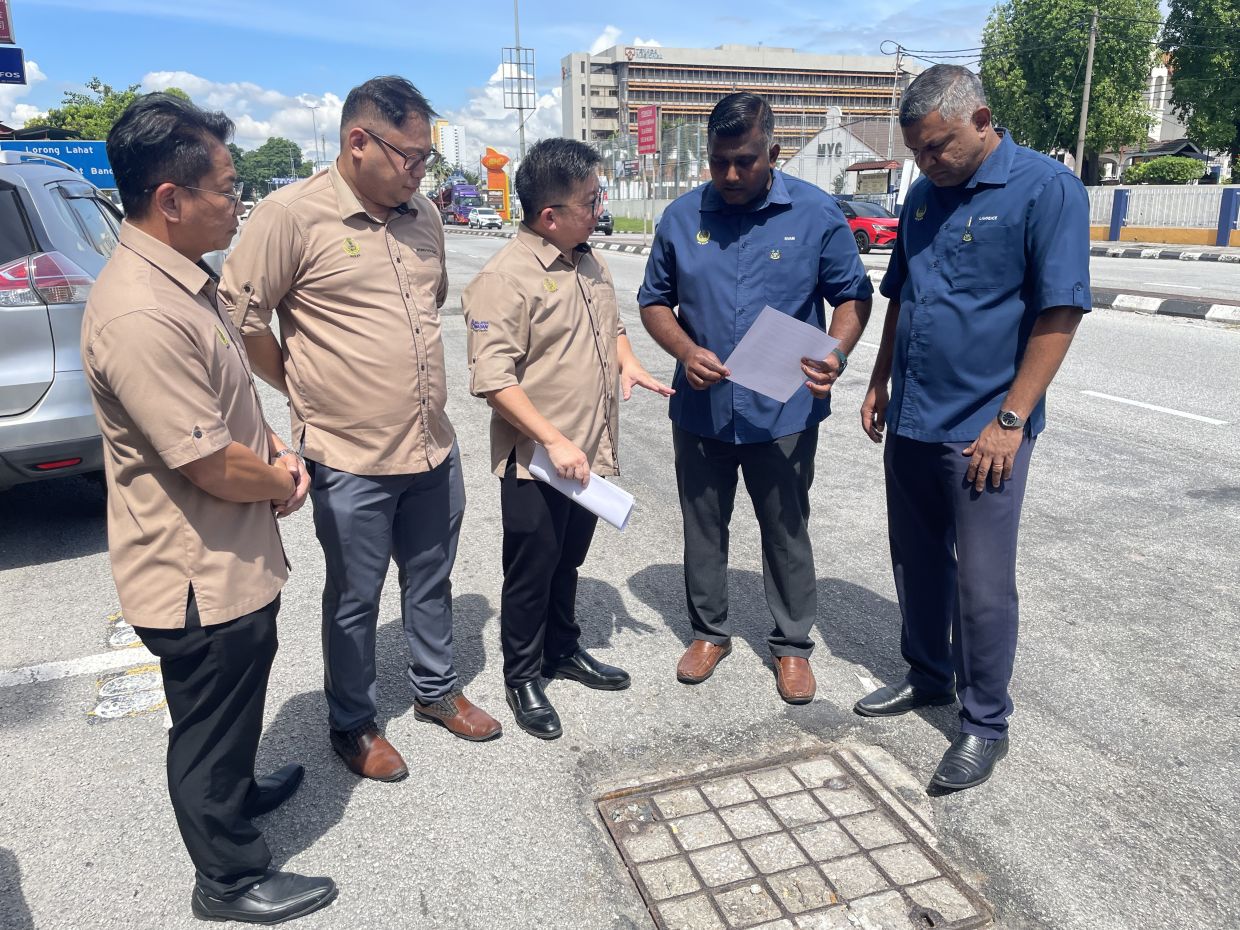
A major infrastructure overhaul is coming to Ipoh as the Perak state government prepares to launch a RM2.6 million resurfacing initiative along Jalan Lahat, with construction scheduled to commence in July. The project will revitalise nearly 4km of one of the city's most congested arterial routes, which has deteriorated significantly and become a source of frustration for the thousands of motorists who traverse it daily.
Jalan Lahat serves as a vital connector between three state constituencies—Buntong, Tebing Tinggi and Menglembu—making it a crucial link in Ipoh's transport network. However, the road's condition has spiralled in recent months, with numerous sections plagued by substantial potholes, uneven pavement and surface irregularities that have compromised both safety and vehicle integrity. Menglembu assemblyman Chaw Kam Foon revealed that the resurfacing work will address the most critically affected stretch, spanning approximately 1.9km in each direction along the corridor from the Falim traffic lights through to the Jalan Leong Boon Swee junction adjacent to Little India.
While Jalan Lahat itself extends between 10km and 11km in length, this inaugural project deliberately focuses resources on the most problematic section where deterioration has reached critical levels. The funding mechanism, channelled through the Malaysian Road Records Information System (Marris), represents a concerted effort to address a situation that has garnered significant public attention following widespread social media outcry. Chaw acknowledged that digital activism played a pivotal role in accelerating approvals, particularly after viral videos circulated showing a dangerous pothole on the flyover section that raised considerable safety concerns among road users.
The scale of the problem became strikingly apparent when reports emerged that approximately 20 vehicles suffered tyre punctures within a single month due to collisions with potholes along this stretch alone. Such incidents represent not merely inconvenient vehicle damage but genuine safety hazards that undermine public confidence in the state's road infrastructure. Councillor K. Sivam, who collaborated with Chaw in championing this initiative, disclosed that formal requests for comprehensive resurfacing had been submitted since 2024, though approval only materialised this year. The tender process is currently underway, with municipal authorities targeting a remarkably tight three-week completion window once construction begins.
The persistent deterioration of Jalan Lahat stems from multiple interconnected factors rather than simple wear and tear from regular traffic flow. The road carries substantial volumes of heavy commercial vehicles and lorries servicing residential neighbourhoods, schools and bustling commercial zones throughout the corridor. Previous attempts to patch damaged sections proved ineffective due to environmental stressors and the relentless pounding from heavy traffic, rendering temporary repairs obsolete within short timeframes. Sivam identified additional culprits in past utility excavation projects, particularly sewerage pipeline installations, where restoration and reinstatement works failed to meet acceptable standards.
This infrastructural vulnerability represents a broader challenge across Malaysian municipalities, where utility companies undertake underground work without consistently restoring road surfaces to their original specifications. The forthcoming resurfacing project will address these underlying weaknesses by incorporating comprehensive remedial work beyond simple asphalt overlay. The scope includes levelling protruding manholes, eliminating road undulations and undulations that contribute to uneven wear patterns, and repainting lane markings to restore clear traffic delineation. These measures collectively aim to create a more durable surface capable of withstanding the intensive use Jalan Lahat receives.
Crucially, authorities are implementing stronger governance mechanisms to prevent recurrence of such deterioration in the future. The Corridor Utiliti Darul Ridzuan (KUDR) has been tasked with monitoring all future utility excavation works and ensuring that restoration activities comply with approved technical specifications. This regulatory framework includes penalty provisions for non-compliance, with offending utility companies facing financial fines, compound notices or mandatory orders to execute repair works at their own expense. Such enforcement mechanisms signal a more stringent approach to accountability among service providers.
For Malaysian road users and residents in the Ipoh area, this project represents meaningful acknowledgment of their concerns and a tangible commitment to improving transport corridors that impact daily life. The three-week target completion timeline suggests confidence in project execution, though such ambitious schedules often face delays due to unforeseen complications. Nevertheless, the allocation of RM2.6 million specifically to address this corridor demonstrates prioritisation of maintenance work that directly affects public safety and economic activity in the region.
The Jalan Lahat resurfacing initiative carries implications beyond Ipoh's immediate geography. As urbanisation accelerates throughout Malaysia and traffic volumes intensify, road maintenance budgets face mounting pressures. This project exemplifies the necessity for proactive infrastructure investment rather than reactive crisis management, where deterioration reaches critical levels before intervention occurs. The involvement of KUDR in monitoring future utility works also suggests potential adoption of similar oversight mechanisms in other municipalities, potentially establishing a template for improved infrastructure governance across Malaysia's federal territories and state jurisdictions. Regional transportation planners will likely monitor outcomes to assess whether such coordinated approaches effectively reduce road degradation and extend asset lifespan.

